1. Specifications Comparison
| Feature | Xiaomi Poco F5 | Cubot KingKong X | Practical Impact |
|---|---|---|---|
| Design | |||
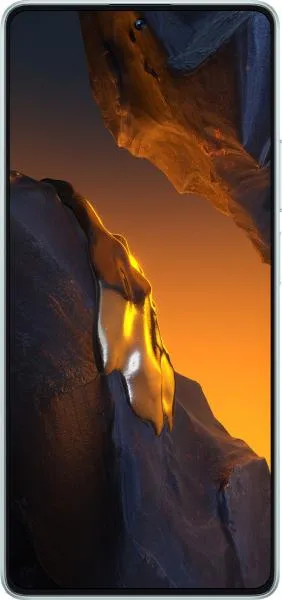
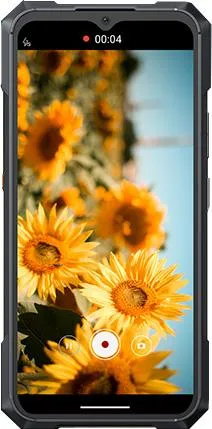
| Dimensions (mm) | 161.1 x 75 x 7.9 | 170.9 x 82.2 x 18.7 | Poco F5 is significantly slimmer and lighter, making it more pocketable and comfortable for one-handed use. KingKong X is much larger and heavier, indicating a rugged, potentially more durable design. |
| Weight (g) | 181 | 388 | |
| Display | |||
| Display Type | AMOLED | IPS LCD | Poco F5's AMOLED offers deeper blacks, richer colors, and potentially higher peak brightness for better outdoor visibility. KingKong X's IPS LCD may offer wider viewing angles but lacks the vibrant colors and contrast of AMOLED. |
| Display Size (inches) | 6.67 | 6.58 | Negligible difference in screen real estate. |
| Resolution | 1080 x 2400 | 1080 x 2408 | Virtually identical resolution, resulting in similar sharpness. |
| Refresh Rate (Hz) | 120 | 120 | Both phones offer smooth scrolling and animations thanks to the 120Hz refresh rate. |
| HDR | HDR10+, Dolby Vision | No HDR specified | Poco F5 supports HDR content for a wider dynamic range and more vibrant visuals in supported content. Missing HDR specification for KingKong X limits its video quality potential. |
| Performance | |||
| Chipset | Snapdragon 7+ Gen 2 | Dimensity 7050 | Snapdragon 7+ Gen 2 generally offers better performance and efficiency compared to Dimensity 7050. This translates to smoother gaming, faster app loading, and better multitasking on the Poco F5. |
| CPU | Octa-core (1x2.91 GHz X2 & 3x2.49 GHz A710 & 4x1.8 GHz A510) | Octa-core (2x2.6 GHz A78 & 6x2.0 GHz A55) | Poco F5's CPU architecture with the newer Cortex-X2 and A710 cores indicates a significant performance advantage in demanding tasks. |
| GPU | Adreno 725 | Mali-G68 MC4 | Adreno 725 is generally considered more powerful than the Mali-G68 MC4, resulting in better gaming performance on the Poco F5. |
| RAM | 8GB/12GB | 16GB | While KingKong X has more RAM, the Poco F5's superior processor likely compensates for this difference in most usage scenarios. 16GB RAM on KingKong X might benefit heavy multitaskers, but real-world impact depends on software optimization. |
| Storage | 256GB/512GB | 256GB/512GB | Comparable storage options on both devices. |
| Camera | |||
| Main Camera | 64MP, f/1.79 | 100MP, f/1.89 | Higher megapixel count on the KingKong X doesn't guarantee better image quality. Image quality depends on sensor size, processing algorithms, and other factors not fully detailed here. |
| Video Recording | 4K@30fps with EIS, 1080p@120fps | 4K@30fps, 1080p@30fps | Poco F5 offers more versatile video recording options, including higher frame rates for slow-motion capture and Electronic Image Stabilization (EIS) for smoother footage. |
| Battery | |||
| Capacity (mAh) | 5000 | 10200 | KingKong X boasts a significantly larger battery, promising much longer battery life. However, heavier weight might be a trade-off. |
2. Key Differences Analysis
Xiaomi Poco F5 Advantages:
- Significantly better performance: The Snapdragon 7+ Gen 2 chip offers a noticeable advantage in speed and efficiency.
- Superior display quality: AMOLED technology delivers more vibrant colors and deeper blacks.
- More compact and lightweight: Easier to handle and carry.
- More versatile video recording: Higher frame rates and EIS.
Cubot KingKong X Advantages:
- Much larger battery capacity: Potentially significantly longer battery life.
- More RAM: Might benefit users who heavily multitask or run demanding applications, although real-world benefit depends on software optimization.
3. User Profiles & Recommendations
Xiaomi Poco F5: Users who prioritize performance, display quality, and a sleek design. Ideal for gaming, media consumption, and everyday use.
Cubot KingKong X: Users who prioritize extremely long battery life and potentially rugged build. Suitable for outdoor activities, extended travel, or users who dislike frequent charging.
4. Decision Framework
Key Questions for Buyers:
- What is your budget? Both phones are in the mid-range, but specific pricing should be compared.
- What is your primary use case? Gaming, media consumption, or basic communication? Outdoor adventures or extended use without charging?
- What are your priorities in a smartphone? Performance, battery life, camera, display, design, or durability?
My Choice: Xiaomi Poco F5
While the Cubot KingKong X offers a massive battery, I would choose the Xiaomi Poco F5. The superior performance offered by the Snapdragon 7+ Gen 2, coupled with the vibrant AMOLED display and sleeker design, are more compelling to me. I value a smooth and responsive user experience, which the Poco F5 is better equipped to deliver. The significantly larger battery of the KingKong X is tempting, but the trade-off in size and weight, along with the less powerful processor, makes the Poco F5 a more well-rounded device for my needs. I am also willing to charge my phone more frequently in exchange for a more pleasant daily handling experience. Finally, the Poco F5's more versatile camera features, specifically regarding video recording, are a significant advantage for me.
