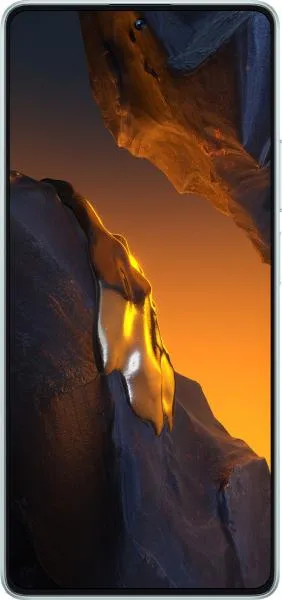
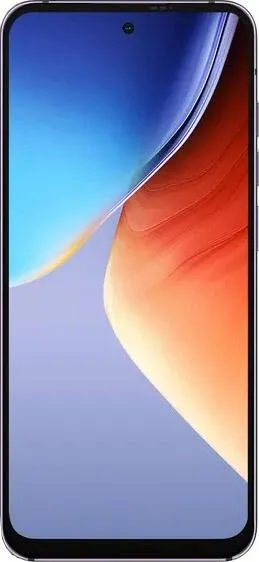
1. Specifications Comparison
| Feature | Xiaomi Poco F5 | Blackview A96 | Practical Impact |
|---|---|---|---|
| Design | |||
| Dimensions (mm) | 161.1 x 75 x 7.9 | 161.8 x 74.2 x 8.6 | Poco F5 is slightly thinner and potentially more pocketable. |
| Weight (g) | 181 | 193.9 | Poco F5 is noticeably lighter, improving one-handed use. |
| Build Materials | Not specified | Not specified | Cannot compare build quality and durability. |
| Display | |||
| Display Type | AMOLED | IPS LCD | Poco F5 offers deeper blacks, more vibrant colors, and better power efficiency due to AMOLED technology. |
| Display Size (inches) | 6.67 | 6.5 | Negligible difference in screen real estate. |
| Resolution | 1080 x 2400 | 1080 x 2400 | Same resolution, similar sharpness. |
| Refresh Rate (Hz) | 120 | 120 | Both offer smooth scrolling and animations. |
| HDR | HDR10+, Dolby Vision | Not specified | Poco F5 provides a significantly better HDR experience for compatible content. |
| Performance | |||
| Chipset | Snapdragon 7+ Gen 2 | Helio G99 | Poco F5's Snapdragon chip offers significantly better performance in demanding tasks and gaming due to its superior architecture and manufacturing process (4nm vs 6nm). |
| CPU | Octa-core (1x2.91 GHz Cortex-X2 & 3x2.49 GHz Cortex-A710 & 4x1.8 GHz Cortex-A510) | Octa-core (2x2.2 GHz Cortex-A76 & 6x2.0 GHz Cortex-A55) | Poco F5's CPU boasts a more powerful prime core and newer architecture, resulting in faster processing speeds. |
| GPU | Adreno 725 | Mali-G57 MC2 | Poco F5's GPU provides a substantial advantage in graphics performance for gaming and visually demanding applications. |
| RAM | 8GB/12GB | 8GB/12GB | Similar RAM options for multitasking capabilities. |
| Camera | |||
| Main Camera (MP) | 64MP (Omnivision OV64B) | 48MP (Samsung S5KGM2) | Poco F5 likely captures more detail due to higher resolution; however, sensor quality and image processing also play crucial roles, which can't be fully assessed without further information. |
| Video Recording | 4K@30fps with EIS, 1080p@120fps | 1440p@30fps, 1080p@30fps | Poco F5 offers better video stabilization (EIS) and higher frame rate options for slow-motion video. |
| Battery | |||
| Capacity (mAh) | 5000 | 4380 | Poco F5 offers longer battery life. |
2. Key Differences Analysis
Xiaomi Poco F5 Advantages:
- Superior Performance: The Snapdragon 7+ Gen 2 significantly outperforms the Helio G99 in processing power and graphics rendering.
- Better Display: AMOLED technology provides richer visuals and deeper blacks compared to the Blackview A96's IPS LCD. HDR support further enhances the viewing experience.
- Longer Battery Life: The larger 5000mAh battery offers more usage time.
- More Advanced Video Recording: 4K recording, EIS, and 120fps slow-motion provide more versatile video capabilities.
Blackview A96 Advantages:
- Potentially Lower Price: Depending on specific deals and regional pricing, the Blackview A96 might be cheaper.
Trade-offs:
- Performance vs. Price: The Poco F5 sacrifices affordability for significantly better performance.
- Display Quality vs. Battery Life: AMOLED displays generally consume more power than IPS LCDs, but the Poco F5's larger battery compensates for this.
3. User Profiles & Recommendations
Xiaomi Poco F5: Ideal for users who prioritize performance, a high-quality display, and long battery life. Suitable for demanding tasks like gaming, video editing, and heavy multitasking.
Blackview A96: Best suited for budget-conscious users who primarily use their phones for basic tasks like calling, texting, browsing, and social media.
4. Decision Framework
Key Questions for Buyers:
- What is your budget? The Poco F5 is likely more expensive.
- What are your primary phone usage patterns? For demanding tasks, the Poco F5 is a clear winner. For basic use, the Blackview A96 might suffice.
- How important is display quality and battery life? The Poco F5 excels in both areas.
My Choice: Xiaomi Poco F5
The Xiaomi Poco F5 is the clear winner for me. The superior processor, stunning AMOLED display with HDR, and larger battery are compelling advantages. While the Blackview A96 might be more affordable, the performance difference is significant enough to justify the higher price for most users, especially considering the long-term value. I prioritize a smooth and responsive user experience, which the Poco F5 delivers. The enhanced video recording capabilities are also a bonus. While price is a factor, the long-term benefits of a more powerful and feature-rich device outweigh the initial cost difference in my opinion.
