1. Specifications Comparison
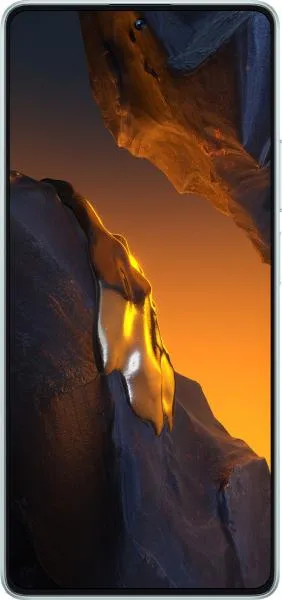
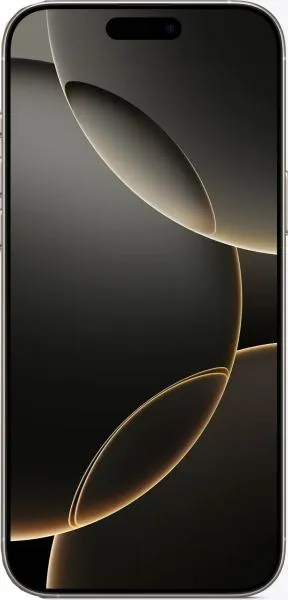
| Feature | Xiaomi Poco F5 | Apple iPhone 16 Pro Max | Practical Impact |
|---|---|---|---|
| Design | |||
| Dimensions (mm) | 161.1 x 75 x 7.9 | 163 x 77.6 x 8.3 | iPhone 16 Pro Max is slightly larger and thicker. |
| Weight (g) | 181 | 227 | Poco F5 is significantly lighter, reducing hand fatigue during extended use. |
| Build | Not specified | Not specified | Build materials impact durability and premium feel; information is missing for both. |
| Display | |||
| Size (inches) | 6.67 | 6.9 | iPhone offers a larger screen for more immersive content consumption. |
| Resolution (px) | 1080 x 2400 | 1320 x 2868 | iPhone has a sharper display with higher pixel density (460 vs 395 ppi), resulting in clearer text and images. |
| Type | AMOLED | LTPO Super Retina XDR OLED | Both are OLED, offering vibrant colors and deep blacks. LTPO on iPhone allows for dynamic refresh rate adjustment, potentially saving battery. |
| Refresh Rate (Hz) | 120 | 120 | Both offer smooth scrolling and animations thanks to the 120Hz refresh rate. |
| Peak Brightness (nits) | 1000 | 2000 | iPhone's significantly higher peak brightness ensures better visibility in direct sunlight. |
| Performance | |||
| Chipset | Snapdragon 7+ Gen 2 | Apple A18 Pro | A18 Pro is expected to significantly outperform the Snapdragon 7+ Gen 2 in CPU and GPU tasks, leading to faster app loading, smoother gaming, and better multitasking. |
| CPU | Octa-core (1x2.91 GHz Cortex-X2 & 3x2.49 GHz Cortex-A710 & 4x1.8 GHz Cortex-A510) | Hexa-core (2x4.05 GHz + 4x2.42 GHz) | Specific core architecture differences are less relevant than overall performance; A18 Pro expected to be faster. |
| RAM (GB) | 8/12 | 8 | While both have ample RAM for most tasks, the 12GB option on the Poco F5 might offer slightly better multitasking in demanding scenarios. |
| Storage | 256GB | 256GB/512GB/1TB | iPhone offers more storage options for users with large media libraries. |
| Camera | |||
| Rear Cameras | 64MP Main, 8MP Wide, 2MP Macro | 48MP Main, 48MP Ultrawide, 12MP Telephoto | iPhone's triple camera system with a dedicated telephoto lens offers greater versatility and optical zoom capabilities. |
| Front Camera | 16MP | 12MP | Resolution difference is less critical than image quality, which depends on processing and sensor size; details lacking for comprehensive comparison. |
| Video | Up to 4K@30fps | Up to 4K@120fps with HDR, Dolby Vision | iPhone offers superior video recording capabilities with higher resolution, frame rates, and HDR/Dolby Vision support. |
| Battery | |||
| Capacity (mAh) | 5000 | 4685 | Poco F5 has a slightly larger battery capacity, but actual battery life depends heavily on optimization and usage patterns. |
| Charging | USB Type-C 2.0 | USB Type-C 3.2 Gen 2 | iPhone supports faster data transfer and potentially faster charging with USB 3.2 Gen 2, though charging speeds aren't specified for either phone. |
2. Key Differences Analysis
Xiaomi Poco F5 Advantages:
- Lower Price: Significantly more affordable.
- Lighter Weight: More comfortable for extended use.
- Potentially Longer Battery Life: Larger battery capacity, but real-world usage will vary.
Apple iPhone 16 Pro Max Advantages:
- Superior Performance: A18 Pro chip offers significantly faster processing and graphics.
- Sharper Display: Higher resolution and peak brightness.
- More Versatile Camera System: Telephoto lens and advanced video recording features.
- Faster Data Transfer: USB 3.2 Gen 2.
- LTPO Display: Dynamic refresh rate for potential battery savings.
3. User Profiles & Recommendations
Xiaomi Poco F5: Budget-conscious users who prioritize affordability, a lightweight design, and all-day battery life. Suitable for everyday tasks, social media, and casual gaming.
Apple iPhone 16 Pro Max: Users who demand top-tier performance, the best camera system, a vibrant and sharp display, and a seamless user experience within the Apple ecosystem. Ideal for demanding tasks, mobile gaming, content creation, and professional photography/videography.
4. Decision Framework
Key Questions for Buyers:
- What is your budget? The iPhone 16 Pro Max is significantly more expensive.
- What are your primary smartphone usage patterns? Demanding tasks and content creation favor the iPhone, while casual use might be well-served by the Poco F5.
- Which operating system do you prefer? Android offers more customization, while iOS is known for its simplicity and privacy features.
My Choice: Apple iPhone 16 Pro Max
While the Xiaomi Poco F5 offers excellent value for its price, the iPhone 16 Pro Max aligns better with my personal needs and priorities. The significant performance advantage of the A18 Pro chip, the superior camera system with a telephoto lens, the brighter and sharper LTPO display, and the faster USB connectivity are compelling features that justify the higher price. I prioritize a smooth and responsive user experience, high-quality content creation capabilities, and the seamless integration within the Apple ecosystem. Although the heavier weight is a minor drawback, the overall package offered by the iPhone 16 Pro Max makes it the clear winner for me. The longevity provided by Apple's long-term software support also contributes to the value proposition.
