1. Specifications Comparison
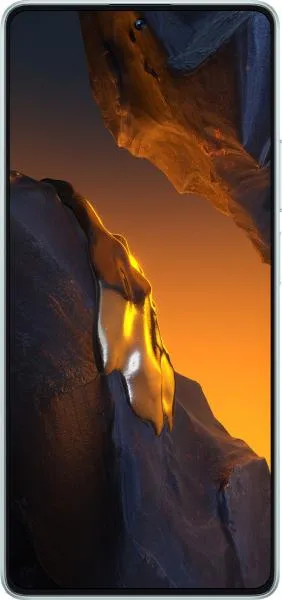
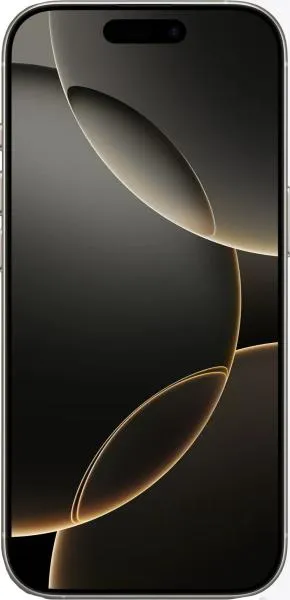
| Feature | Xiaomi Poco F5 | Apple iPhone 16 Pro | Practical Impact |
|---|---|---|---|
| Design | |||
| Dimensions (mm) | 161.1 x 75 x 7.9 | 149.6 x 71.5 x 8.3 | iPhone 16 Pro is noticeably smaller and slightly thicker. Poco F5 is taller and wider. |
| Weight (g) | 181 | 199 | iPhone 16 Pro is heavier, potentially impacting one-handed use. |
| Build Material | Not specified | Not specified | Cannot compare build quality and durability without material information. |
| Display | |||
| Display Size (inches) | 6.67 | 6.3 | Poco F5 offers a larger screen for more immersive media consumption. |
| Resolution (pixels) | 1080 x 2400 | 1206 x 2622 | iPhone 16 Pro has a sharper display with higher pixel density (460 vs 395 ppi). |
| Display Type | AMOLED | LTPO Super Retina XDR OLED | Both are OLED offering vibrant colors and deep blacks. iPhone's LTPO allows for dynamic refresh rate adjustment, potentially saving battery. |
| Refresh Rate (Hz) | 120 | 120 | Both offer smooth scrolling and animations. |
| Peak Brightness (nits) | 1000 | 2000 | iPhone 16 Pro's significantly higher peak brightness ensures better visibility in sunlight. |
| Performance | |||
| Chipset | Snapdragon 7+ Gen 2 (4 nm) | Apple A18 Pro (3 nm) | A18 Pro is expected to significantly outperform the Snapdragon 7+ Gen 2 in both CPU and GPU tasks. |
| CPU | Octa-core (1x2.91 GHz X2 + 3x2.49 GHz A710 + 4x1.8 GHz A510) | Hexa-core (2x4.05 GHz + 4x2.42 GHz) | A18 Pro's architecture and higher clock speeds suggest superior multi-core performance. |
| RAM (GB) | 8/12 | 8 | While both offer ample RAM for most tasks, Poco F5 offers a 12GB option for even more demanding users. |
| OS | Android 13 | iOS 18 | Different operating systems cater to different user preferences and ecosystems. |
| Camera | |||
| Main Camera (MP) | 64 | 48 | Megapixel count isn't everything; sensor size and processing play a larger role in image quality. Detailed comparison requires sensor size and other camera specs. |
| Ultrawide (MP) | 8 | 48 | iPhone's ultrawide offers much higher resolution. |
| Telephoto (MP) | N/A | 12 | iPhone 16 Pro offers optical zoom capabilities, which Poco F5 lacks. |
| Battery | |||
| Capacity (mAh) | 5000 | 3582 | Poco F5 has significantly larger battery capacity, likely resulting in longer battery life. |
| Charging Speed | Not specified | Not specified | Cannot compare charging speeds without specific data. |
2. Key Differences Analysis
Xiaomi Poco F5 Advantages:
- Larger Display: More immersive for media consumption.
- Larger Battery: Potentially longer battery life.
- Lower Price: Offers great value for its performance.
- Higher RAM Option: 12GB option provides headroom for future-proofing and multitasking.
Apple iPhone 16 Pro Advantages:
- Significantly Faster Performance: A18 Pro chip offers superior processing power for demanding tasks and gaming.
- Sharper Display: Higher resolution and pixel density for clearer visuals.
- Brighter Display: Much better outdoor visibility.
- Superior Camera System: Higher resolution ultrawide and the presence of a telephoto lens offer more versatile photography.
- LTPO Display: More power efficient.
- Faster USB Type-C Port: 3.2 Gen 2 vs 2.0 on the Poco F5. This translates to much faster data transfer speeds and potential for external display support.
3. User Profiles & Recommendations
Xiaomi Poco F5: Budget-conscious users who prioritize a large display, long battery life, and good performance for everyday tasks. Suitable for media consumption, social media, and light gaming.
Apple iPhone 16 Pro: Users who demand top-tier performance, a premium camera system, and the latest iOS features. Ideal for power users, mobile gamers, photographers, and videographers.
4. Decision Framework
Key Questions for Buyers:
- What is your budget? The iPhone 16 Pro is significantly more expensive.
- What are your performance needs? For demanding tasks and gaming, the iPhone 16 Pro is far superior.
- Which operating system do you prefer? Android and iOS offer distinct experiences.
My Choice: Apple iPhone 16 Pro
While the Poco F5 offers excellent value, the iPhone 16 Pro's superior performance, camera system, brighter and more power-efficient display, and faster USB port are decisive factors for me. I prioritize a smooth and powerful user experience, and the A18 Pro chip promises exactly that. The improved camera system with a telephoto lens significantly enhances photographic capabilities. While the smaller battery is a slight concern, the LTPO display mitigates this somewhat. The price difference is significant, but the overall package offered by the iPhone 16 Pro justifies the premium for my needs.
