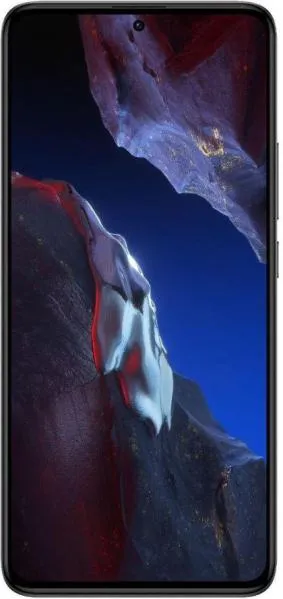

1. Specifications Comparison
| Feature | Xiaomi Poco F5 Pro | ZTE nubia Z60 Ultra | Practical Impact |
|---|---|---|---|
| Design | |||
| Dimensions (mm) | 162.8 x 75.4 x 8.6 | 164 x 76.4 x 8.8 | Z60 Ultra slightly taller and wider, negligible difference in thickness. |
| Weight (g) | 204 | 246 | Z60 Ultra noticeably heavier (42g), potentially impacting one-handed use. |
| Display | |||
| Size (inches) | 6.67 | 6.8 | Z60 Ultra marginally larger; both offer immersive experiences. |
| Resolution (px) | 1440 x 3200 | 1116 x 2480 | Poco F5 Pro significantly sharper (526 ppi vs 400 ppi), resulting in crisper text and images. |
| Refresh Rate (Hz) | 120 | 120 | Both offer smooth scrolling and animations. |
| Display Type | AMOLED, Dolby Vision, HDR10+ | AMOLED, HDR10 | Poco F5 Pro supports wider HDR standards (Dolby Vision & HDR10+) for better video quality. |
| Peak Brightness (nits) | 1400 | 1500 | Z60 Ultra slightly brighter, potentially improving outdoor visibility. |
| Performance | |||
| Chipset | Snapdragon 8+ Gen 1 | Snapdragon 8 Gen 3 | Z60 Ultra features a newer, more powerful chipset, leading to better performance and efficiency. |
| CPU | Octa-core (1x3.0 GHz Cortex-X2 & 3x2.5 GHz Cortex-A710 & 4x1.80 GHz Cortex-A510) | Octa-core (1x3.3 GHz Cortex-X4 & 3x3.2 GHz Cortex-A720 & 2x3.0 GHz Cortex-A720 & 2x2.3 GHz Cortex-A520) | Z60 Ultra has a more advanced CPU architecture, resulting in faster processing speeds and improved multitasking. |
| GPU | Adreno 730 | Adreno 750 | Z60 Ultra has a more powerful GPU, beneficial for demanding gaming and graphics-intensive tasks. |
| RAM (GB) | 8/12 | 8/12/16/24 | Both offer ample RAM; Z60 Ultra has configurations with even more RAM for extreme multitasking. |
| Camera | |||
| Main Camera (MP) | 64 (Omnivision OV64B) | 54 (Sony IMX800) | Z60 Ultra likely utilizes a larger sensor (1/1.49") compared to Poco F5 Pro (1/2"), potentially capturing more light and detail. Specific sensor size for Poco F5 Pro is unclear. |
| Ultrawide (MP) | 8 | 50 | Z60 Ultra offers a significantly higher resolution ultrawide camera for better quality wide-angle shots. |
| Telephoto | No | 64 MP (3x Optical Zoom) | Z60 Ultra offers optical zoom for capturing distant subjects without quality loss, a significant advantage. |
| Battery | |||
| Capacity (mAh) | 5160 | 6000 | Z60 Ultra has a larger battery, likely translating to longer battery life. |
| Charging Speed | Not specified | Not specified | Cannot compare charging speeds without specific data. |
2. Key Differences Analysis
Xiaomi Poco F5 Pro Advantages:
- Sharper Display: Higher pixel density leads to a noticeably crisper viewing experience.
- Wider HDR Support: Dolby Vision and HDR10+ provide better video quality on compatible content.
- Lighter Weight: More comfortable for extended use and one-handed operation.
- Potentially Lower Price: Based on the provided limited price information, the Poco F5 Pro appears to have lower starting prices.
ZTE nubia Z60 Ultra Advantages:
- More Powerful Performance: Newer generation chipset and CPU/GPU offer significant performance gains.
- Larger Battery: Likely translates to significantly longer battery life.
- Superior Camera System: Higher resolution ultrawide, dedicated telephoto lens with optical zoom, and potentially larger main sensor.
- Newer Android Version: Starts with Android 14, offering the latest features and potentially longer software support.
3. User Profiles & Recommendations
Xiaomi Poco F5 Pro: Users prioritizing a sharp display, multimedia consumption, and a lighter, more affordable device. Suitable for everyday tasks, media consumption, and moderate gaming.
ZTE nubia Z60 Ultra: Power users demanding top-tier performance, longer battery life, and a versatile camera system with optical zoom. Ideal for demanding gaming, professional photography/videography, and heavy multitasking.
4. Decision Framework
Key Questions for Buyers:
- What is your budget? The Z60 Ultra is likely more expensive.
- What are your performance needs? For demanding tasks, the Z60 Ultra is superior.
- How important is camera quality and versatility? The Z60 Ultra has a clear advantage in camera capabilities.
My Choice: ZTE nubia Z60 Ultra
While the Poco F5 Pro offers a great display and lighter weight, the ZTE nubia Z60 Ultra is the superior device overall. The significantly improved performance, larger battery, versatile camera system with optical zoom, and newer Android version outweigh the advantages of the Poco F5 Pro for me. The weight difference is notable but acceptable for the performance gains. I prioritize future-proofing and having the latest technology, making the Z60 Ultra the better long-term investment.
