1. Specifications Comparison
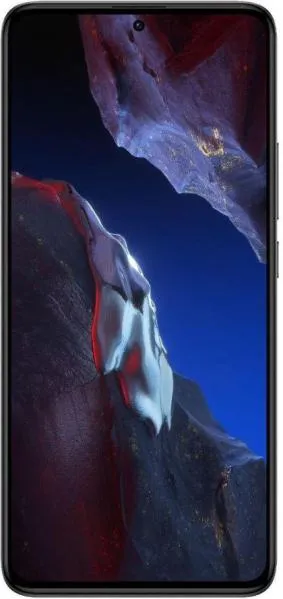
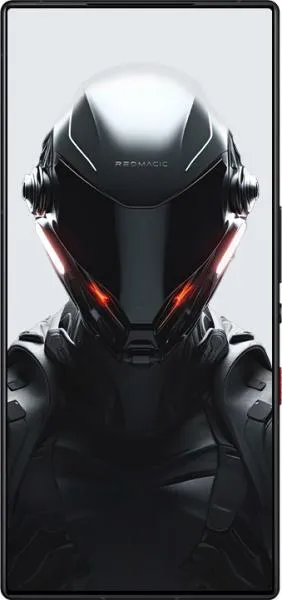
| Feature | Xiaomi Poco F5 Pro | ZTE nubia Red Magic 9 Pro | Practical Impact |
|---|---|---|---|
| Design | |||
| Dimensions (mm) | 162.8 x 75.4 x 8.6 | 164 x 76.4 x 8.9 | Red Magic 9 Pro is slightly larger and thicker. |
| Weight (g) | 204 | 229 | Red Magic 9 Pro is noticeably heavier. Could impact one-handed use. |
| Display | |||
| Size (inches) | 6.67 | 6.8 | Red Magic 9 Pro offers a slightly larger screen. |
| Resolution | 1440 x 3200 | 1116 x 2480 | Poco F5 Pro has a significantly sharper display (526 ppi vs 400 ppi), resulting in crisper text and images. |
| Type | AMOLED, 120Hz | AMOLED, 120Hz | Both offer smooth scrolling and animations thanks to the 120Hz refresh rate. |
| Peak Brightness | 1400 nits | 1600 nits | Red Magic 9 Pro can get brighter, improving outdoor visibility. |
| Color Depth | 68B | 1B (China only) | Poco F5 Pro offers wider color gamut globally, resulting in more vibrant and accurate colors. Red Magic 9 Pro's 1B color is limited to China. |
| Performance | |||
| Chipset | Snapdragon 8+ Gen 1 | Snapdragon 8 Gen 3 | Red Magic 9 Pro features a newer, more powerful processor, leading to better performance in demanding tasks and gaming. |
| CPU | Octa-core (up to 3.0 GHz) | Octa-core (up to 3.36 GHz) | Red Magic 9 Pro has a faster CPU, resulting in quicker app loading and multitasking. |
| GPU | Adreno 730 | Adreno 750 | Red Magic 9 Pro has a more powerful GPU, offering smoother gaming and graphics performance. |
| RAM | 8/12GB | 8/12/16GB | Red Magic 9 Pro offers a 16GB RAM option for extreme multitasking. |
| Camera | |||
| Main Camera | 64MP, f/1.79 | 50MP, f/1.88 | While Poco F5 Pro has higher resolution, Red Magic 9 Pro utilizes a larger sensor (Samsung GN5), potentially capturing more light and detail in various conditions. |
| Wide Angle | 8MP, f/2.2 | 50MP, f/2.0 | Red Magic 9 Pro has a significantly better wide-angle camera with much higher resolution and wider aperture. |
| Macro | 2MP, f/2.4 | 2MP, f/2.4 | Likely similar macro performance; both relatively low resolution. |
| Battery | |||
| Capacity | 5160 mAh | 6500 mAh | Red Magic 9 Pro boasts significantly longer battery life. |
| Charging | Charging speeds not specified for either phone, limiting comparison. | ||
| Other | |||
| USB | USB Type-C 2.0 | USB Type-C 3.2 Gen 2 | Red Magic 9 Pro offers faster data transfer and potential DisplayPort functionality. |
| OS | Android 13 | Android 14 | Red Magic 9 Pro ships with a newer Android version out of the box. |
2. Key Differences Analysis
Xiaomi Poco F5 Pro Advantages:
- Sharper Display: Higher pixel density leads to a noticeably crisper viewing experience.
- Potentially More Affordable: Prices listed suggest the Poco F5 Pro may be cheaper.
ZTE nubia Red Magic 9 Pro Advantages:
- Superior Performance: Newer chipset, faster CPU and GPU provide a significant performance advantage, especially for gaming.
- Longer Battery Life: Substantially larger battery capacity.
- Faster Data Transfer: USB 3.2 Gen 2 allows for significantly quicker data transfer speeds.
- Newer Android Version: Ships with Android 14, offering potential software features and longer support.
- Better Wide Angle Camera: Dramatically improved wide angle camera sensor.
3. User Profiles & Recommendations
Xiaomi Poco F5 Pro: Users prioritizing a sharp display, media consumption, and overall value.
ZTE nubia Red Magic 9 Pro: Gamers, power users needing top-tier performance, and users desiring long battery life.
4. Decision Framework
Key Questions:
- What is your budget? The Poco F5 Pro is likely more affordable.
- What are your primary use cases? Gaming and demanding tasks favor the Red Magic 9 Pro, while media consumption benefits from the Poco F5 Pro's sharper display.
- How important is battery life? The Red Magic 9 Pro offers significantly longer battery life.
My Choice: ZTE nubia Red Magic 9 Pro
While the Poco F5 Pro offers a compelling display, the Red Magic 9 Pro's superior performance, significantly longer battery life, newer Android version, and drastically improved wide-angle camera make it the more compelling device for my needs. I prioritize future-proofing and performance, and the Red Magic 9 Pro delivers in those areas. The faster USB standard is also a welcome addition for quicker data transfer. The weight difference is a minor concern, but the overall performance benefits outweigh it. The lack of detailed camera sensor information for the Red Magic's macro lens and missing charging speeds for both phones prevents a complete assessment in those areas, but the available information points to a clear advantage for the Red Magic 9 Pro.
