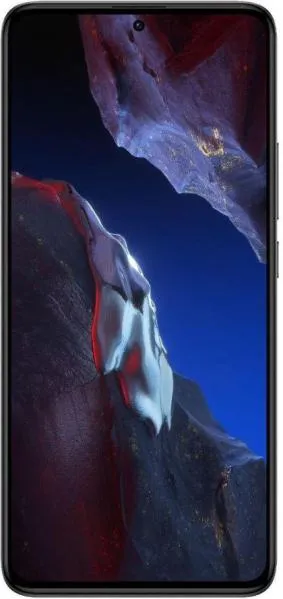
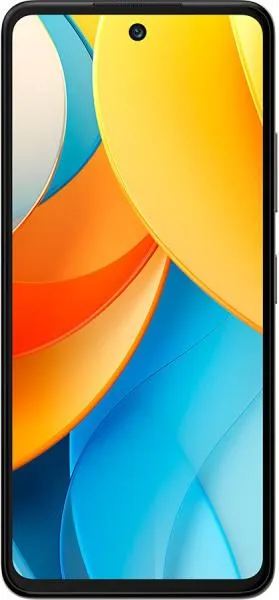
1. Specifications Comparison
| Feature | Xiaomi Poco F5 Pro | ZTE Blade V60 Design | Practical Impact |
|---|---|---|---|
| Design | |||
| Dimensions (mm) | 162.8 x 75.4 x 8.6 | 164.2 x 75.3 x 8.6 | Negligible size difference in practical use. |
| Weight (g) | 204 | 198 | Poco F5 Pro slightly heavier, but unlikely to be noticeable. |
| Build | Missing | Missing | Build quality and materials unknown, impacting durability and premium feel. |
| Display | |||
| Display Type | 6.67" AMOLED, 120Hz | 6.6" IPS LCD, 90Hz | Poco F5 Pro offers significantly better contrast, colors, and smoother scrolling due to AMOLED and higher refresh rate. Outdoors visibility likely better on F5 Pro. |
| Resolution | 1440 x 3200 | 720 x 1612 | Much sharper and more detailed visuals on the Poco F5 Pro. ZTE display will appear pixelated in comparison. |
| HDR | Dolby Vision, HDR10+ | None | Superior dynamic range and brighter highlights in supported content on the Poco F5 Pro, resulting in a more immersive viewing experience. |
| Performance | |||
| Chipset | Snapdragon 8+ Gen 1 (4nm) | Unisoc T606 (12nm) | Vastly superior performance on the Poco F5 Pro, enabling demanding gaming, multitasking, and faster app loading. ZTE will struggle with demanding tasks. |
| CPU | Octa-core (1x3.0 GHz Cortex-X2 & 3x2.5 GHz Cortex-A710 & 4x1.80 GHz Cortex-A510) | Octa-core (2x1.6 GHz Cortex-A75 & 6x1.6 GHz Cortex-A55) | Significantly faster CPU in the Poco F5 Pro, translating to a smoother and more responsive user experience. |
| GPU | Adreno 730 | Mali-G57 MP1 | Much more powerful GPU in the F5 Pro, crucial for high-end gaming and graphics-intensive applications. |
| RAM | 8GB/12GB | 4GB/6GB | More RAM in the Poco F5 Pro enables better multitasking and smoother performance with multiple apps open. |
| Camera | |||
| Main Camera | 64MP, f/1.79 | 50MP, f/1.8 | Poco F5 Pro likely to offer better low-light performance and detail due to larger sensor and potentially better image processing. |
| Video Recording | Up to 8K@24fps | Up to 1080p@30fps | Significantly better video recording capabilities on the Poco F5 Pro, including higher resolution and frame rates. |
| Battery | |||
| Capacity | 5160 mAh | 5000 mAh | Slightly larger battery in the Poco F5 Pro, but real-world battery life depends on many factors including display and chipset efficiency. |
2. Key Differences Analysis
Xiaomi Poco F5 Pro Advantages:
- Flagship-level Performance: The Snapdragon 8+ Gen 1 provides a significantly better user experience in terms of speed, responsiveness, and gaming capabilities.
- Superior Display: The high-resolution AMOLED display with 120Hz refresh rate delivers vibrant colors, deep blacks, and smooth scrolling.
- Advanced Camera Features: Higher resolution sensors, 8K video recording, and potentially better image processing contribute to a more versatile camera system.
ZTE Blade V60 Design Advantages:
- Lower Price: Significantly more affordable.
- Lighter Weight: Marginally lighter, but unlikely to be a major deciding factor.
Trade-offs:
- Performance vs. Price: The ZTE sacrifices performance significantly for a lower price point.
- Display Quality vs. Price: The ZTE's lower resolution IPS LCD lacks the vibrancy and smoothness of the Poco F5 Pro's AMOLED.
3. User Profiles & Recommendations
Xiaomi Poco F5 Pro: Ideal for users who prioritize performance, a high-quality display, and a versatile camera. Suitable for demanding tasks like gaming, video editing, and multitasking.
ZTE Blade V60 Design: Best suited for budget-conscious users who primarily use their phones for basic tasks like calling, texting, web browsing, and social media. Not recommended for demanding applications or heavy users.
4. Decision Framework
Key Questions for Buyers:
- What is your budget? The price difference is substantial.
- What are your primary phone usage patterns? Heavy users and gamers will need the F5 Pro's performance.
- How important is display quality? The F5 Pro's AMOLED display is a major advantage.
Scenario-Based Recommendations:
- Limited Budget: ZTE Blade V60 Design
- Prioritize Performance and Display: Xiaomi Poco F5 Pro
- Casual User with Basic Needs: ZTE Blade V60 Design
- Power User or Gamer: Xiaomi Poco F5 Pro
My Choice: Xiaomi Poco F5 Pro
The Xiaomi Poco F5 Pro is the clear winner for me. While the ZTE Blade V60 Design offers a lower price, the compromises in performance, display, and camera are too significant. The Poco F5 Pro delivers a vastly superior user experience thanks to its powerful processor, stunning AMOLED display, and versatile camera system. The slightly higher price is justified by the significant jump in quality and capabilities. I value a smooth and responsive user experience, high-quality visuals, and the ability to run demanding applications without lag, making the Poco F5 Pro the better choice. Even though the ZTE is much cheaper, the poor screen and sluggish performance would frustrate me in the long run.
