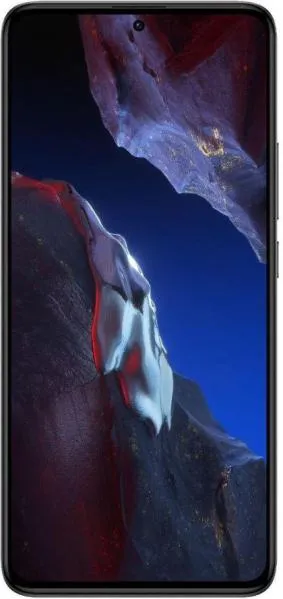
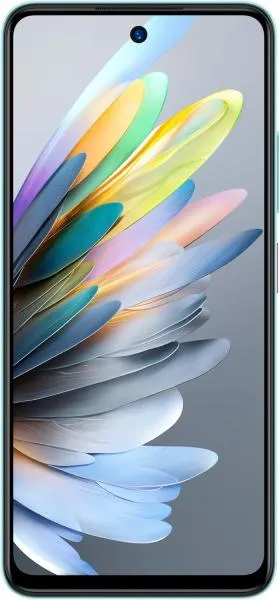
1. Specifications Comparison
| Feature | Xiaomi Poco F5 Pro | ZTE Blade A75 4G | Practical Impact |
|---|---|---|---|
| Design | |||
| Dimensions (mm) | 162.8 x 75.4 x 8.6 | 164.1 x 75.8 x 8.6 | Poco F5 Pro is slightly smaller in height and width. Negligible difference in daily use. |
| Weight (g) | 204 | 189 | ZTE is noticeably lighter, reducing hand fatigue during extended use. |
| Build | Not specified | Not specified | Cannot compare build quality without material information. |
| Display | |||
| Size (inches) | 6.67 | 6.6 | Negligible size difference. |
| Resolution | 1440 x 3200 | 720 x 1612 | Poco F5 Pro offers significantly sharper visuals, better for media consumption and gaming. ZTE's lower resolution will result in pixelation and less detail. |
| Type | AMOLED, 120Hz | IPS LCD, 90Hz | Poco F5 Pro's AMOLED provides richer colors, deeper blacks, and higher contrast. 120Hz refresh rate enables smoother scrolling and animations compared to ZTE's 90Hz. |
| Brightness | Up to 1400 nits | Not specified | Poco F5 Pro's high peak brightness ensures better visibility in sunlight. Cannot compare without ZTE's brightness data. |
| Performance | |||
| Chipset | Snapdragon 8+ Gen 1 | Unisoc T606 | Poco F5 Pro boasts a flagship-level processor, ensuring significantly faster performance in demanding tasks, multitasking, and gaming. ZTE's budget processor will likely struggle with demanding applications. |
| CPU | Octa-core (1x3.0 GHz Cortex-X2 & 3x2.5 GHz Cortex-A710 & 4x1.80 GHz Cortex-A510) | Octa-core (2x1.6 GHz Cortex-A75 & 6x1.6 GHz Cortex-A55) | Poco F5 Pro's CPU architecture is superior, delivering faster processing speeds and better efficiency. |
| GPU | Adreno 730 | Mali-G57 MP1 | Poco F5 Pro's GPU provides a much more powerful graphics rendering capability, essential for high-end gaming and smooth UI. |
| RAM | 8/12GB | 4/8GB | Poco F5 Pro offers more RAM options for better multitasking and app performance. |
| Camera | |||
| Main Camera | 64MP, f/1.79 | 50MP, f/1.8 | While ZTE has a high megapixel count, Poco F5 Pro's larger sensor and wider aperture likely deliver better low-light performance. Image quality depends on various factors beyond megapixels. |
| Video | Up to 8K@24fps | Up to 1080p@30fps | Poco F5 Pro offers significantly higher video resolution and frame rates, allowing for more detailed and smoother video recording. |
| Battery | |||
| Capacity | 5160 mAh | 5000 mAh | Similar battery capacities, expected to offer comparable battery life. Real-world usage will depend on optimization and individual use patterns. |
2. Key Differences Analysis
Xiaomi Poco F5 Pro Advantages:
- Significantly superior performance: Snapdragon 8+ Gen 1 provides a flagship-level experience.
- Much better display: AMOLED with 120Hz refresh rate for vibrant visuals and smooth interactions.
- Higher resolution: Sharper images and text, better for media consumption.
- More versatile camera: Higher resolution video recording capabilities and potentially better low-light performance.
ZTE Blade A75 4G Advantages:
- Lighter weight: More comfortable for extended use.
- Lower price: Significantly more affordable.
Trade-offs:
- Performance vs. Price: Poco F5 Pro offers significantly better performance but at a higher price. ZTE compromises performance for affordability.
3. User Profiles & Recommendations
Xiaomi Poco F5 Pro: Ideal for users who prioritize performance, a high-quality display, and versatile camera capabilities. Suitable for demanding tasks like gaming, video editing, and content creation.
ZTE Blade A75 4G: Best suited for budget-conscious users who prioritize basic functionality for everyday tasks like calling, texting, browsing, and social media. Not recommended for demanding applications or heavy multimedia use.
4. Decision Framework
Key Questions:
- What is your budget? The price difference is significant.
- What are your primary smartphone usage patterns? (e.g., gaming, photography, social media)
- How important is performance and display quality to you?
Scenario-Based Recommendations:
- Gamer: Poco F5 Pro for its powerful hardware and smooth display.
- Photographer/Videographer: Poco F5 Pro for its superior camera capabilities.
- Budget-conscious user with basic needs: ZTE Blade A75 4G.
My Choice: Xiaomi Poco F5 Pro
While the ZTE Blade A75 4G offers a lower price point, the Xiaomi Poco F5 Pro is the clear winner for me. The significantly superior performance, stunning AMOLED display with 120Hz, and more versatile camera capabilities justify the higher price. I prioritize a smooth and responsive user experience, especially for tasks like gaming and multitasking, which the Poco F5 Pro excels at. The ZTE Blade A75 4G, while suitable for basic tasks, would likely frustrate me with its lower resolution display and budget processor. The lighter weight of the ZTE is a nice perk, but not enough to outweigh the significant advantages offered by the Poco F5 Pro.
