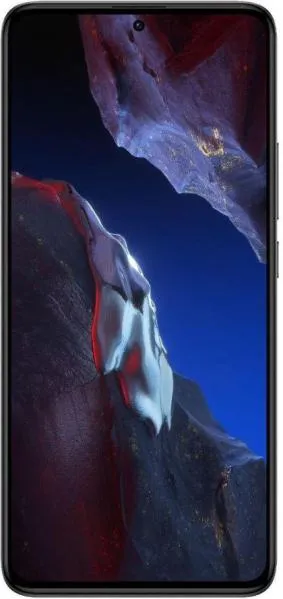
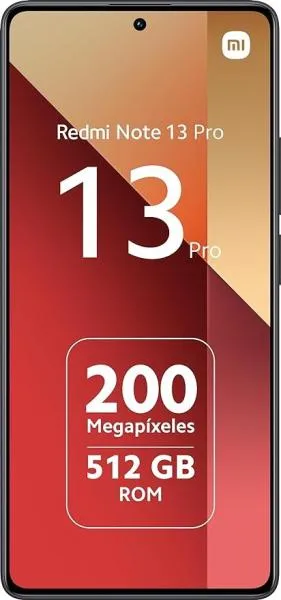
1. Specifications Comparison
| Feature | Xiaomi Poco F5 Pro | Xiaomi Redmi Note 13 Pro 4G | Practical Impact |
|---|---|---|---|
| Design | |||
| Dimensions (mm) | 162.8 x 75.4 x 8.6 | 161.1 x 75 x 8 | Poco F5 Pro slightly taller and thicker. Negligible difference in daily use. |
| Weight (g) | 204 | 188 | Redmi Note 13 Pro noticeably lighter, more comfortable for extended use. |
| Display | |||
| Size (inches) | 6.67 | 6.67 | Same size. |
| Resolution (px) | 1440 x 3200 | 1080 x 2400 | Poco F5 Pro significantly sharper, noticeable in text clarity and image detail. |
| Panel Type | AMOLED | AMOLED | Both offer vibrant colors and deep blacks. |
| Refresh Rate (Hz) | 120 | 120 | Both offer smooth scrolling and animations. |
| Peak Brightness (nits) | 1400 | 1300 | Poco F5 Pro slightly brighter in direct sunlight. |
| Color Depth | 68B | 1B | Poco F5 Pro supports a wider color gamut, resulting in more accurate and nuanced colors. |
| HDR Support | Dolby Vision, HDR10+ | None specified | Poco F5 Pro offers superior HDR performance for compatible content. |
| Performance | |||
| Chipset | Snapdragon 8+ Gen 1 | Helio G99 Ultra | Poco F5 Pro significantly more powerful, enabling demanding gaming and multitasking. |
| CPU | Octa-core (1x3.0 GHz X2 & 3x2.5 GHz A710 & 4x1.8 GHz A510) | Octa-core (2x2.2 GHz A76 & 6x2.0 GHz A55) | Poco F5 Pro's superior CPU architecture offers significantly faster processing speeds. |
| GPU | Adreno 730 | Mali-G57 MC2 | Poco F5 Pro's GPU provides a much better gaming and graphics rendering experience. |
| RAM (GB) | 8/12 | 8/12 | Both offer ample RAM for multitasking, though performance will differ due to chipset discrepancies. |
| Camera | |||
| Main Camera (MP) | 64 | 200 | Redmi Note 13 Pro boasts higher resolution, potentially capturing more detail. Poco F5 Pro utilizes pixel binning for improved low-light performance. Real-world image quality comparison needed. |
| Video Recording | Up to 8K@24fps | Up to 1080p@60fps | Poco F5 Pro offers superior video recording capabilities with higher resolution and frame rates. |
| Battery | |||
| Capacity (mAh) | 5160 | 5000 | Poco F5 Pro has slightly larger battery capacity, potentially offering longer battery life. Real-world usage will vary. |
2. Key Differences Analysis
Xiaomi Poco F5 Pro Advantages:
- Significantly more powerful: The Snapdragon 8+ Gen 1 offers superior performance for demanding tasks, gaming, and future-proofing.
- Sharper display: Higher resolution and wider color gamut result in a more visually appealing experience.
- Better HDR support: Dolby Vision and HDR10+ provide a significant advantage in consuming HDR content.
- Superior video recording: Offers higher resolution (up to 8K) and frame rate options.
Xiaomi Redmi Note 13 Pro 4G Advantages:
- Lighter and potentially more affordable: Offers a more comfortable in-hand feel and could be significantly cheaper depending on specific configurations.
- Higher resolution main camera: The 200MP sensor potentially captures more detail, but real-world performance needs to be evaluated.
Trade-offs:
- The Redmi Note 13 Pro 4G sacrifices performance and display quality for a lower price and lighter weight.
- The Poco F5 Pro is slightly heavier and potentially more expensive.
3. User Profiles & Recommendations
Xiaomi Poco F5 Pro: Ideal for power users, gamers, and those who prioritize performance, a high-quality display, and advanced camera features.
Xiaomi Redmi Note 13 Pro 4G: Suitable for budget-conscious users, casual users who prioritize lightweight design, and those who primarily use their phone for basic tasks like social media, browsing, and communication. A 200MP camera may appeal to photography enthusiasts, but real-world testing is needed to assess its quality.
4. Decision Framework
Key Questions for Buyers:
- What is your budget? The Poco F5 Pro is likely to be more expensive.
- What are your primary phone usage patterns? Gamers and power users will benefit from the Poco F5 Pro's superior performance.
- Do you prioritize display quality and camera features? The Poco F5 Pro offers a noticeably better display and more versatile video recording capabilities.
My Choice: Xiaomi Poco F5 Pro
While the Redmi Note 13 Pro 4G offers a compelling price point and a high-resolution main camera, the Poco F5 Pro's superior performance, stunning display, and more advanced features make it the better overall choice for me. The Snapdragon 8+ Gen 1 provides significant future-proofing and a smoother user experience. The higher resolution display and HDR support are crucial for media consumption. While the Redmi Note 13 Pro 4G's 200MP camera is intriguing, without reviews confirming its real-world performance, the Poco F5 Pro's overall package is more compelling. I value a smooth, powerful experience and a high-quality display, making the Poco F5 Pro the clear winner for my needs.
