1. Specifications Comparison
| Feature | Category | Xiaomi Poco F5 Pro | Xiaomi Redmi Note 13 Pro | Practical Impact |
|---|---|---|---|---|
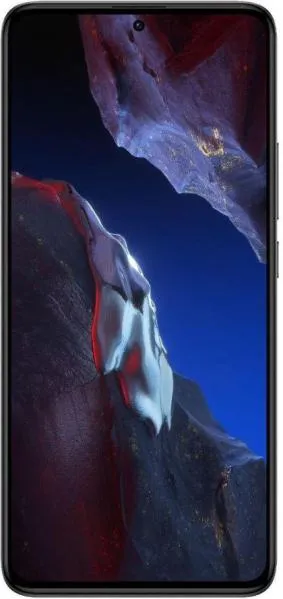
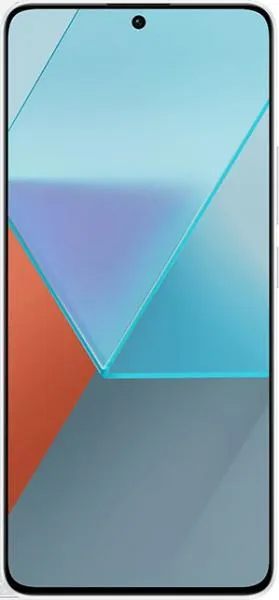
| Dimensions | Design | 162.8 x 75.4 x 8.6 mm, 204g | 161.2 x 74.2 x 8 mm, 187g | The Redmi Note 13 Pro is slightly smaller and noticeably lighter, making it more pocketable and comfortable for extended use. |
| Display | Display | 6.67" AMOLED, 1440x3200, 120Hz, HDR10+, Dolby Vision, 1400 nits peak brightness | 6.67" AMOLED, 1220x2712, 120Hz, Dolby Vision, 1800 nits peak brightness | Both offer smooth 120Hz AMOLED displays with Dolby Vision. The Poco F5 Pro has a sharper display (1440p vs 1080p) resulting in crisper text and images, but the Redmi Note 13 Pro boasts a higher peak brightness, potentially improving outdoor visibility. |
| Chipset | Performance | Snapdragon 8+ Gen 1 | Snapdragon 7s Gen 2 | The Poco F5 Pro features a significantly more powerful flagship-level chipset, enabling smoother performance in demanding tasks like gaming and multitasking. The Redmi Note 13 Pro's mid-range chip offers good performance for everyday use but may struggle with high-end tasks. |
| CPU | Performance | Octa-core (1x3.0 GHz Cortex-X2 & 3x2.5 GHz Cortex-A710 & 4x1.80 GHz Cortex-A510) | Octa-core (4x2.40 GHz Cortex-A78 & 4x1.95 GHz Cortex-A55) | The Poco F5 Pro's CPU architecture and higher clock speeds provide a substantial performance advantage, particularly in single-core performance crucial for responsive user experience. |
| GPU | Performance | Adreno 730 | Adreno 710 | The Adreno 730 in the Poco F5 Pro offers superior graphics processing, delivering smoother frame rates and better visual quality in games. |
| RAM | Performance | 8/12GB | 8/12/16GB | Both offer ample RAM for multitasking, though the Redmi Note 13 Pro offers a 16GB configuration for extreme multitasking needs. |
| Main Camera | Camera | 64MP, Omnivision OV64B, f/1.79 | 200MP, Samsung ISOCELL HP3, f/1.65 | The Redmi Note 13 Pro boasts a higher resolution main sensor with a wider aperture, potentially capturing more detail and performing better in low light. However, megapixel count isn't everything; image processing and sensor size also play crucial roles. |
| Video Recording | Camera | Up to 8K@24fps | Up to 4K@30fps | The Poco F5 Pro offers superior video recording capabilities, supporting higher resolution (8K vs 4K) video recording. |
| Battery | Battery | 5160 mAh | 5100 mAh | Negligible difference in battery capacity; real-world battery life will depend on software optimization and usage patterns. |
| OS Updates | Software | Android 13, future updates unclear | Android 13, upgradable to Android 16 | The Redmi Note 13 Pro has a confirmed longer software update lifecycle, ensuring security patches and new features for a longer period. |
2. Key Differences Analysis
Xiaomi Poco F5 Pro Advantages:
- Significantly more powerful: The Snapdragon 8+ Gen 1 provides a major performance advantage for demanding tasks.
- Sharper Display: Higher resolution results in clearer visuals.
- Higher Resolution Video Recording: Can record video up to 8K resolution.
Xiaomi Redmi Note 13 Pro Advantages:
- Lighter and More Compact: Easier to handle and carry.
- Higher Resolution Main Camera: Potentially better low-light performance and detail capture.
- Brighter Display: Potentially better outdoor visibility.
- Longer Software Support: Confirmed updates up to Android 16.
- Lower Price: Offers better value for less demanding users.
Trade-offs:
- Poco F5 Pro: Higher performance comes at a slightly higher price and potentially slightly less battery life due to the more powerful processor.
- Redmi Note 13 Pro: Lower price means compromising on processing power and video recording capabilities.
3. User Profiles & Recommendations
Xiaomi Poco F5 Pro: Ideal for power users, gamers, and those who prioritize performance and a sharp display. Excellent for demanding tasks like video editing, gaming, and multitasking.
Xiaomi Redmi Note 13 Pro: Suitable for everyday users who prioritize a good camera, long battery life, and a bright display. Excellent for social media, web browsing, casual photography, and general use. Great value for its price.
4. Decision Framework
Key Questions for Buyers:
- What is your budget? The Redmi Note 13 Pro offers excellent value in the mid-range segment.
- What are your primary use cases? Gamers and power users will appreciate the Poco F5 Pro's performance. Casual users might find the Redmi Note 13 Pro sufficient.
- How important is software update longevity? The Redmi Note 13 Pro's confirmed update cycle provides longer-term security and features.
My Choice: Xiaomi Poco F5 Pro
While the Redmi Note 13 Pro offers excellent value, I would choose the Xiaomi Poco F5 Pro. The significant performance difference offered by the Snapdragon 8+ Gen 1 is crucial for my usage, which involves demanding tasks like mobile gaming, emulation, and occasional video editing. The sharper display is also a plus for me. While I acknowledge the benefits of the Redmi Note 13 Pro's brighter display, longer software support, and lower price, the superior performance and sharper screen of the Poco F5 Pro better suit my needs and preferences. The price difference is worth the performance jump for my use cases.
