1. Specifications Comparison
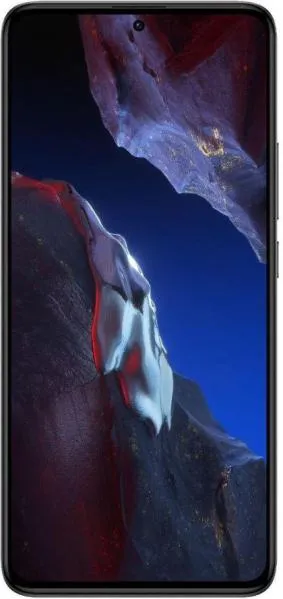
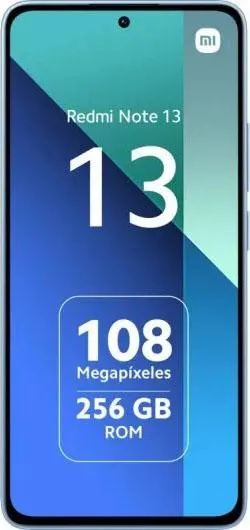
| Feature | Xiaomi Poco F5 Pro | Xiaomi Redmi Note 13 4G | Practical Impact |
|---|---|---|---|
| Design | |||
| Dimensions (mm) | 162.8 x 75.4 x 8.6 | 162.3 x 75.6 x 8.0 | Poco F5 Pro slightly taller and narrower, both slim. Negligible difference in daily use. |
| Weight (g) | 204 | 188.5 | Redmi Note 13 4G noticeably lighter, reducing hand fatigue during extended use. |
| Display | |||
| Size (inches) | 6.67 | 6.67 | Same size, offering ample screen real estate for media consumption and multitasking. |
| Resolution | 1440 x 3200 (WQHD+) | 1080 x 2400 (FHD+) | Poco F5 Pro significantly sharper display with higher pixel density (526 ppi vs 395 ppi), resulting in crisper text and images. Noticeable difference in clarity. |
| Refresh Rate | 120Hz | 120Hz | Both offer smooth scrolling and animations. |
| Display Type | AMOLED, Dolby Vision, HDR10+ | AMOLED | Poco F5 Pro supports wider color gamut (68B) and HDR standards (Dolby Vision, HDR10+), delivering more vibrant and dynamic visuals with better contrast, especially noticeable in supported content. |
| Peak Brightness | 1400 nits | 1800 nits | Redmi Note 13 4G boasts higher peak brightness, ensuring better visibility outdoors in direct sunlight. |
| Performance | |||
| Chipset | Snapdragon 8+ Gen 1 | Snapdragon 685 | Poco F5 Pro features a flagship-level processor, offering significantly faster performance for demanding tasks like gaming and video editing. Redmi Note 13 is suitable for everyday tasks but will struggle with high-intensity applications. |
| CPU | Octa-core (3.0 GHz Cortex-X2) | Octa-core (2.8 GHz Cortex-A73) | Poco F5 Pro's CPU has a more powerful prime core and architecture, translating to quicker app launches and smoother multitasking. |
| GPU | Adreno 730 | Adreno 610 | Poco F5 Pro's GPU offers a substantial performance advantage for gaming and graphically intensive tasks, delivering higher frame rates and smoother gameplay. |
| RAM | 8GB/12GB | 6GB/8GB | More RAM in higher-end Poco F5 Pro configurations allows for more apps to run in the background without reloading, improving multitasking. |
| Camera | |||
| Main Camera | 64MP, f/1.79 | 108MP, f/1.7 | Redmi Note 13 4G boasts higher resolution, potentially capturing more detail. However, image quality depends on sensor size, processing, and other factors. Poco F5 Pro has slightly wider aperture, potentially performing better in low light. |
| Video Recording | 8K@24fps, 4K@60fps | 1080p@30fps | Poco F5 Pro offers significantly higher resolution video recording capabilities, including 8K. |
| Battery | |||
| Capacity | 5160 mAh | 5000 mAh | Similar battery capacities, expected to provide all-day battery life for moderate usage. Real-world battery life depends heavily on usage patterns. |
2. Key Differences Analysis
Xiaomi Poco F5 Pro Advantages:
- Significantly faster performance: Due to the Snapdragon 8+ Gen 1 chipset, superior for demanding tasks and gaming.
- Sharper display: Higher resolution (WQHD+) and better color accuracy with wider color gamut and HDR support.
- Higher quality video recording: Offers up to 8K resolution compared to 1080p on the Redmi Note 13 4G.
Xiaomi Redmi Note 13 4G Advantages:
- Lighter weight: More comfortable for extended use.
- Higher peak brightness: Better outdoor visibility.
- Lower price: Significantly more affordable.
Trade-offs:
- The Redmi Note 13 4G sacrifices performance and display quality for a lower price point.
- The Poco F5 Pro is heavier and potentially more expensive.
3. User Profiles & Recommendations
Xiaomi Poco F5 Pro: Ideal for power users, gamers, and those who prioritize performance, a high-quality display, and advanced camera features. Excellent for demanding tasks, media consumption, content creation, and mobile gaming.
Xiaomi Redmi Note 13 4G: Suitable for budget-conscious users who prioritize basic functionality, all-day battery life, and a bright display for outdoor use. Best for everyday tasks like browsing, social media, and casual photography. Not recommended for demanding applications or gaming.
4. Decision Framework
Key Questions for Buyers:
- What is your budget? The Redmi Note 13 4G is significantly cheaper.
- What are your primary use cases? The Poco F5 Pro is better for demanding tasks, while the Redmi Note 13 4G is sufficient for basic use.
- Do you prioritize performance, display quality, or battery life? The Poco F5 Pro excels in performance and display, while the Redmi Note 13 offers a potentially longer battery life and brighter screen for outdoors.
My Choice: Xiaomi Poco F5 Pro
While the Redmi Note 13 4G offers excellent value for its price, I would choose the Xiaomi Poco F5 Pro. The significantly improved performance, sharper display with HDR support, and superior video recording capabilities are crucial for my usage. I prioritize a smooth and responsive user experience for productivity and entertainment, and the Poco F5 Pro delivers in those areas. The slightly higher price and weight are acceptable trade-offs for the substantial gains in performance and display quality. The Snapdragon 8+ Gen 1 future-proofs the device for longer, ensuring a smooth user experience for years to come. Even though the Redmi Note 13 4G has a higher peak brightness, I find the overall display quality of the Poco F5 Pro to be superior due to the higher resolution and HDR support.
