1. Specifications Comparison
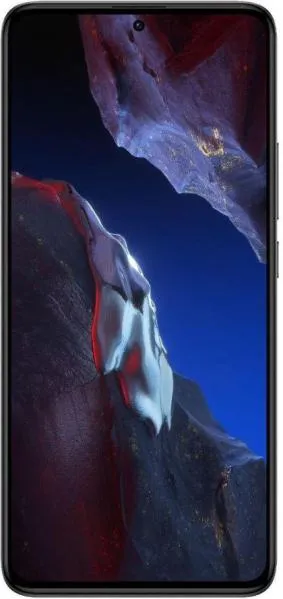
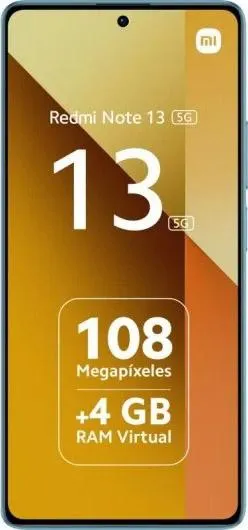
| Feature | Xiaomi Poco F5 Pro | Xiaomi Redmi Note 13 | Practical Impact |
|---|---|---|---|
| Design | |||
| Dimensions (mm) | 162.8 x 75.4 x 8.6 | 161.1 x 75 x 7.6 | Redmi Note 13 is slightly smaller and thinner. |
| Weight (g) | 204 | 174.5 | Redmi Note 13 is noticeably lighter, improving one-handed use. |
| Fingerprint Sensor | Under Display | Side-mounted | Preference-based; under-display feels more modern, side-mounted can be faster. |
| Display | |||
| Size (inches) | 6.67 | 6.67 | Same screen size. |
| Resolution | 1440 x 3200 (WQHD+) | 1080 x 2400 (FHD+) | Poco F5 Pro has a much sharper display, beneficial for media consumption and detail-oriented tasks. |
| Refresh Rate (Hz) | 120 | 120 | Both offer smooth scrolling and animations. |
| Display Type | AMOLED with Dolby Vision, HDR10+ | AMOLED | Poco F5 Pro supports wider color gamuts and HDR standards, resulting in significantly better visual quality for compatible content. |
| Peak Brightness (nits) | 1400 | 1000 | Poco F5 Pro will be more visible in direct sunlight. |
| Performance | |||
| Chipset | Snapdragon 8+ Gen 1 (4nm) | Dimensity 6080 (6nm) | Poco F5 Pro offers significantly faster CPU and GPU performance, crucial for demanding games and multitasking. |
| CPU | Octa-core (3.2 GHz Prime) | Octa-core (2.4 GHz Prime) | Poco F5 Pro's higher clock speeds translate to faster app loading and smoother performance. |
| GPU | Adreno 730 | Mali-G57 MC2 | Poco F5 Pro's GPU handles graphically intensive tasks much better. |
| RAM (GB) | 8/12 | 6/8/12 | More RAM on higher Poco F5 Pro variants enables better multitasking. |
| Camera | |||
| Main Camera (MP) | 64 | 108 | Redmi Note 13 has a higher megapixel count; however, sensor size and processing are more critical for image quality. |
| Video Recording | Up to 8K @ 24fps | Up to 1080p @ 30fps | Poco F5 Pro offers significantly higher resolution video recording. |
| Battery | |||
| Capacity (mAh) | 5160 | 5000 | Poco F5 Pro has a slightly larger battery, potentially offering longer battery life. |
2. Key Differences Analysis
Xiaomi Poco F5 Pro Advantages:
- Significantly more powerful: The Snapdragon 8+ Gen 1 vastly outperforms the Dimensity 6080, providing a smoother and faster experience for demanding tasks.
- Superior display: Higher resolution, brighter, and wider color gamut with HDR support translates to a noticeably better viewing experience.
- Higher-end video recording: 8K recording capability provides more detail and flexibility compared to 1080p.
Xiaomi Redmi Note 13 Advantages:
- Lighter and more compact: Easier to handle and carry.
- Lower price: Offers good value for its features.
3. User Profiles & Recommendations
Xiaomi Poco F5 Pro: Ideal for users who prioritize performance, a high-quality display, and advanced features like 8K video recording. Suitable for demanding tasks like gaming, video editing, and media consumption.
Xiaomi Redmi Note 13: Suitable for budget-conscious users who prioritize basic functionality, a large screen, and all-day battery life. Best for everyday tasks like web browsing, social media, and casual photography.
4. Decision Framework
Key Questions for Buyers:
- What is your budget? The Poco F5 Pro is significantly more expensive.
- What are your primary use cases? Demanding tasks benefit from the Poco F5 Pro's power, while basic usage will be well served by the Redmi Note 13.
- Do you prioritize display quality and camera capabilities? The Poco F5 Pro excels in these areas.
Scenario-Based Recommendations:
- Gamer: Poco F5 Pro for its superior performance.
- Photographer/Videographer: Poco F5 Pro for its advanced camera features.
- Casual User: Redmi Note 13 for its affordability and sufficient performance for everyday tasks.
My Choice: Xiaomi Poco F5 Pro
While the Redmi Note 13 offers excellent value, I would choose the Poco F5 Pro. The significantly improved performance, stunning display, and more versatile camera are worth the price premium for me. I value a smooth and responsive user experience, especially for gaming and media consumption, where the Poco F5 Pro excels. The future-proofing provided by the powerful Snapdragon 8+ Gen 1 is also a major consideration. The slightly larger battery is a bonus. While I acknowledge the Redmi Note 13's advantages in weight and price, the Poco F5 Pro's strengths in key areas better align with my personal preferences and usage patterns.
