1. Specifications Comparison
| Feature | Xiaomi Poco F5 Pro | Xiaomi Redmi 14C | Practical Impact |
|---|---|---|---|
| Design | |||
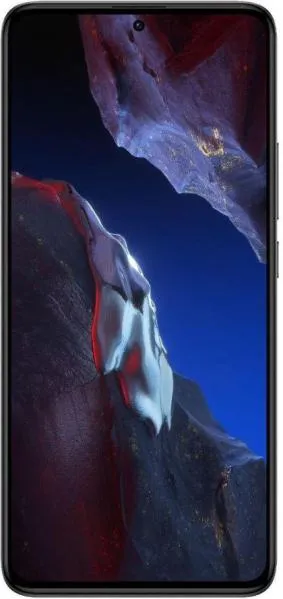
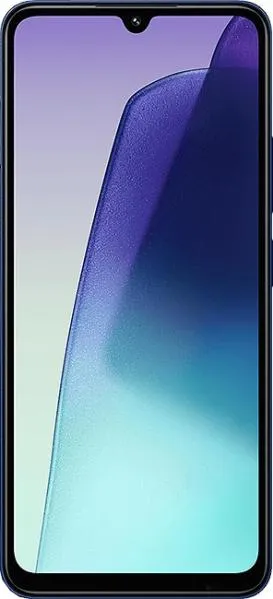
| Dimensions (mm) | 162.8 x 75.4 x 8.6 | 171.9 x 77.8 x 8.2 | Poco F5 Pro is noticeably smaller and slightly thinner, making it more pocketable and easier to handle one-handed. |
| Weight (g) | 204 | 211 | Negligible weight difference in real-world usage. |
| Build Material | Missing | Missing | Material affects durability and premium feel; information lacking for both. |
| Display | |||
| Display Type | 6.67" AMOLED, 120Hz | 6.88" IPS LCD, 120Hz | Poco F5 Pro's AMOLED offers significantly better contrast, deeper blacks, and more vibrant colors. Redmi 14C's larger screen provides more viewing area but with less impressive visuals. |
| Resolution | 1440 x 3200 (526 ppi) | 720 x 1640 (260 ppi) | Poco F5 Pro's much higher resolution results in sharper text, images, and videos. Redmi 14C's lower resolution will appear pixelated, especially on a larger screen. |
| Brightness | 1400 nits (peak) | 600 nits (HBM) | Poco F5 Pro offers far superior brightness, ensuring excellent outdoor visibility. Redmi 14C's lower brightness may struggle in direct sunlight. |
| HDR | Dolby Vision, HDR10+ | None | Poco F5 Pro supports HDR standards for a wider dynamic range and more vibrant content in compatible media. |
| Performance | |||
| Chipset | Snapdragon 8+ Gen 1 | Helio G81 Ultra | Poco F5 Pro's flagship-level processor delivers significantly faster performance in demanding tasks, gaming, and multitasking. Redmi 14C offers basic performance for everyday use. |
| CPU | Octa-core (up to 3.0 GHz) | Octa-core (up to 2.0 GHz) | Poco F5 Pro boasts a more powerful CPU architecture and higher clock speeds, translating to a smoother and more responsive user experience. |
| GPU | Adreno 730 | Mali-G52 MC2 | Poco F5 Pro's GPU provides significantly better gaming performance and graphics rendering. |
| RAM | 8GB/12GB | 4GB/6GB/8GB | More RAM in higher-end Poco F5 Pro configurations enables smoother multitasking and better handling of demanding apps. |
| Camera | |||
| Rear Camera | 64MP main, 8MP ultrawide, 2MP macro | 50MP main, 0.8MP(?!) unspecified, likely depth sensor | Poco F5 Pro offers a higher resolution main sensor and a dedicated ultrawide lens. The Redmi 14C's secondary sensor is unusually low resolution and its purpose is unclear. Quality differences likely substantial. |
| Video Recording | Up to 8K@24fps | Up to 1080p@30fps | Poco F5 Pro offers vastly superior video recording capabilities with much higher resolution and frame rates. |
| Battery | |||
| Capacity | 5160 mAh | 5160 mAh | Similar battery capacities suggest comparable battery life, though actual usage will depend on other factors like the display and processor. |
| Charging Speed | Missing | Missing | Charging speed significantly impacts daily usability. This information is missing for both. |
2. Key Differences Analysis
Poco F5 Pro Advantages:
- Flagship Performance: Significantly faster processor, GPU, and more RAM for a smooth and powerful user experience.
- Superior Display: AMOLED with higher resolution, brightness, and HDR support for vibrant visuals.
- Better Camera System: Higher resolution sensors, ultrawide lens, and superior video recording capabilities.
- More Compact Design: Easier to handle and more pocketable.
Redmi 14C Advantages:
- Lower Price: Significantly more affordable.
- Larger Display: More screen real estate for content consumption. (though at a much lower resolution)
- Newer Android Version: Ships with Android 14. While not a major factor, it may offer slight feature advantages initially.
3. User Profiles & Recommendations
Poco F5 Pro: Ideal for users who prioritize performance, a high-quality display, a good camera, and a smooth user experience. Suitable for demanding tasks like gaming, content creation, and multitasking.
Redmi 14C: Best suited for budget-conscious users who primarily use their phones for basic tasks like calling, texting, browsing, and social media. Not recommended for demanding applications or users seeking a premium experience.
4. Decision Framework
Key Questions for Buyers:
- What is your budget? The Redmi 14C is significantly cheaper.
- What are your primary phone usage patterns? The Poco F5 Pro excels in demanding tasks, while the Redmi 14C is sufficient for basic use.
- Do you prioritize display quality and camera performance? The Poco F5 Pro offers a vastly superior experience in these areas.
My Choice: Xiaomi Poco F5 Pro
The Poco F5 Pro is the clear winner for me. While the Redmi 14C offers a larger display and a lower price, the compromises in performance, display quality, and camera are too significant. The Poco F5 Pro provides a vastly superior overall user experience with its powerful hardware, vibrant AMOLED display, and capable camera system. The slightly smaller size is preferable for me in terms of handling. While price is always a factor, the significant performance and quality advantages of the F5 Pro justify the higher cost for my needs. I would much rather have a phone that will perform well and last longer, even if it requires a larger initial investment.
