1. Specifications Comparison
| Feature | Xiaomi Poco F5 Pro | Xiaomi Redmi 13C 5G | Practical Impact |
|---|---|---|---|
| Design | |||
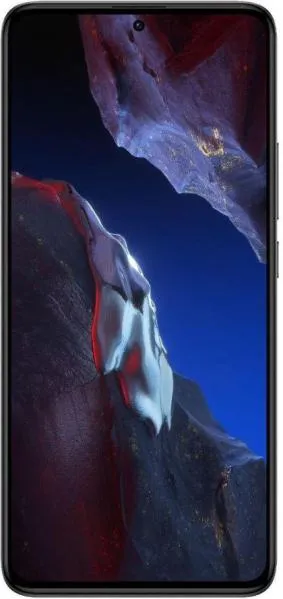
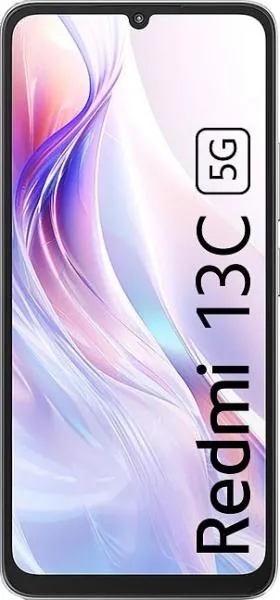
| Dimensions (mm) | 162.8 x 75.4 x 8.6 | 168 x 78 x 8.1 | Poco F5 Pro is slightly smaller and thinner. |
| Weight (g) | 204 | 192 | Redmi 13C 5G is noticeably lighter. |
| Build | Missing | Missing | Build quality and materials cannot be compared. |
| Display | |||
| Size (inches) | 6.67 | 6.74 | Redmi 13C 5G has a slightly larger display. |
| Resolution | 1440 x 3200 | 720 x 1600 | Poco F5 Pro has a significantly sharper and more detailed display. |
| Type | AMOLED, 120Hz | IPS LCD, 90Hz | Poco F5 Pro offers richer colors, deeper blacks, and smoother scrolling due to AMOLED technology and higher refresh rate. |
| Brightness | Up to 1400 nits | Up to 600 nits | Poco F5 Pro will be much more visible in direct sunlight. |
| Performance | |||
| Chipset | Snapdragon 8+ Gen 1 | Dimensity 6100+ | Poco F5 Pro offers significantly higher performance in demanding tasks and gaming. |
| CPU | Octa-core (3.0 GHz Cortex-X2...) | Octa-core (2.2 GHz Cortex-A76...) | Poco F5 Pro has a more powerful CPU architecture. |
| GPU | Adreno 730 | Mali-G57 MC2 | Poco F5 Pro boasts superior graphics performance for gaming and visually intensive applications. |
| RAM | 8/12GB | 4/6/8GB | Poco F5 Pro offers more RAM, enabling better multitasking and smoother performance. |
| Camera | |||
| Main Camera | 64MP, f/1.79 | 50MP, f/1.8 | While megapixel count is lower on the Redmi, real-world image quality depends on sensor size, processing, and other factors, which are not fully detailed here. |
| Video Recording | Up to 8K@24fps | Up to 1080p@30fps | Poco F5 Pro offers much higher resolution video recording capabilities. |
| Battery | |||
| Capacity | 5160 mAh | 5000 mAh | Similar battery capacities, though real-world battery life will depend on usage and optimization. |
2. Key Differences Analysis
Xiaomi Poco F5 Pro Advantages:
- Significantly higher performance: The Snapdragon 8+ Gen 1 chipset provides a substantial performance advantage for demanding tasks, gaming, and multitasking.
- Superior display: The AMOLED display with 120Hz refresh rate offers vibrant colors, deep blacks, and smooth scrolling. Higher peak brightness ensures better visibility outdoors.
- More versatile camera system: 8K video recording and additional lenses offer more flexibility for capturing different types of content. Though a detailed sensor comparison is limited by available data.
Xiaomi Redmi 13C 5G Advantages:
- Lower price: Significantly more affordable.
- Lighter weight: More comfortable for extended use.
3. User Profiles & Recommendations
Xiaomi Poco F5 Pro: Ideal for users who prioritize performance, a high-quality display, and versatile camera capabilities. Suitable for demanding tasks, gaming, and content creation.
Xiaomi Redmi 13C 5G: Suitable for budget-conscious users who prioritize basic functionality and affordability over top-tier performance. Good for everyday tasks like browsing, social media, and casual photography.
4. Decision Framework
Key Questions for Buyers:
- What is your budget? The Redmi 13C 5G is significantly more affordable.
- What are your primary use cases? For demanding tasks and gaming, the Poco F5 Pro is a better choice. For basic usage, the Redmi 13C 5G is sufficient.
- How important is display quality? The Poco F5 Pro's AMOLED display offers a significant advantage in terms of color accuracy, contrast, and refresh rate.
Scenario-Based Recommendations:
- Gamer: Poco F5 Pro
- Budget-conscious user: Redmi 13C 5G
- Photographer/Videographer: Poco F5 Pro (pending further camera sensor analysis)
My Choice: Xiaomi Poco F5 Pro
While the Redmi 13C 5G offers excellent value for its price, the Poco F5 Pro is the superior device overall. The significant performance difference, the vastly better display, and the more versatile camera capabilities justify the higher price for me. I prioritize a smooth and responsive user experience, especially for gaming and multitasking, and the Poco F5 Pro delivers in these areas. The brilliant AMOLED display is a major plus as well. While I appreciate the Redmi's lower weight and affordability, the performance and display compromises are too significant for my personal needs. A final camera comparison would require more detailed sensor specifications.
