1. Specifications Comparison
| Feature | Xiaomi Poco F5 Pro | Xiaomi Redmi 13C | Practical Impact |
|---|---|---|---|
| Design | |||
| Dimensions (mm) | 162.8 x 75.4 x 8.6 | 168 x 78 x 8.1 | Poco F5 Pro is slightly smaller and thinner. Redmi 13C is slightly lighter. |
| Weight (g) | 204 | 192 | Negligible difference in daily use. |
| Build | Missing | Missing | Build quality and materials cannot be compared. |
| Display | |||
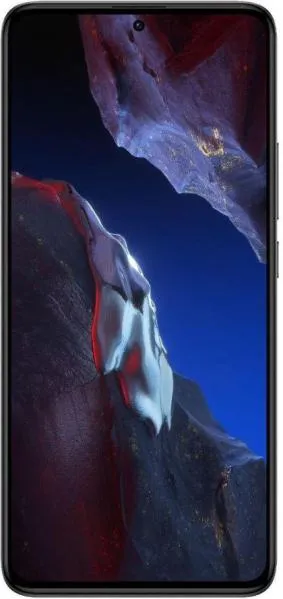
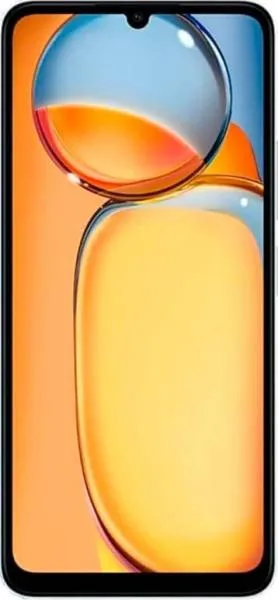
| Display Type | AMOLED | IPS LCD | Poco F5 Pro offers richer colors, deeper blacks, and better power efficiency. |
| Display Size (inches) | 6.67 | 6.74 | Redmi 13C has a slightly larger screen. |
| Resolution | 1440 x 3200 | 720 x 1600 | Poco F5 Pro has a significantly sharper display (526 ppi vs 260 ppi), resulting in much clearer text and images. |
| Refresh Rate (Hz) | 120 | 90 | Poco F5 Pro provides smoother scrolling and animations. |
| HDR | Dolby Vision, HDR10+ | None | Poco F5 Pro offers a superior HDR experience for compatible content. |
| Performance | |||
| Chipset | Snapdragon 8+ Gen 1 | Helio G85 | Poco F5 Pro offers significantly faster processing power for demanding tasks and gaming. |
| CPU | Octa-core (1x3.0 GHz Cortex-X2 & 3x2.5 GHz Cortex-A710 & 4x1.80 GHz Cortex-A510) | Octa-core (2x2.0 GHz Cortex-A75 & 6x1.8 GHz Cortex-A55) | Poco F5 Pro's CPU architecture is more powerful and efficient. |
| GPU | Adreno 730 | Mali-G52 MC2 | Poco F5 Pro provides a much better gaming experience and handles graphics-intensive tasks with ease. |
| RAM (GB) | 8/12 | 4/6/8 | More RAM in Poco F5 Pro allows for better multitasking and smoother performance. |
| Storage (GB) | 256/512 | 128/256 | Both offer ample storage options, though the Poco F5 Pro's higher storage tiers are beneficial for heavy users. |
| Camera | |||
| Main Camera (MP) | 64 | 50 | While megapixels aren't everything, the Poco F5 Pro's larger sensor and wider aperture (f/1.79 vs f/1.8) likely result in better low-light performance. |
| Video Recording | Up to 8K@24fps | Up to 1080p@30fps | Poco F5 Pro offers significantly higher resolution video recording capabilities. |
| Battery | |||
| Capacity (mAh) | 5160 | 5000 | Similar battery capacities, though real-world battery life will depend on usage and optimization. |
2. Key Differences Analysis
Xiaomi Poco F5 Pro Advantages:
- Significantly superior performance: The Snapdragon 8+ Gen 1 provides a substantial performance advantage for demanding tasks, gaming, and multitasking.
- Much better display: The AMOLED display with higher resolution, refresh rate, and HDR support delivers a vastly improved visual experience.
- More versatile camera system: Offers higher resolution video recording (up to 8K) and potentially better low-light photography.
Xiaomi Redmi 13C Advantages:
- Lower price: Offers a budget-friendly option for basic smartphone needs.
- Slightly larger display: Provides a marginally larger viewing area.
- Slightly lighter: Might be preferred by users sensitive to weight, but the difference is minimal.
3. User Profiles & Recommendations
Xiaomi Poco F5 Pro: Ideal for users who prioritize performance, a high-quality display, and a versatile camera. Suitable for demanding tasks, gaming, content creation, and media consumption.
Xiaomi Redmi 13C: Suitable for budget-conscious users who prioritize basic functionality like calling, texting, web browsing, and social media. Less suitable for demanding tasks or gaming.
4. Decision Framework
Key Questions for Buyers:
- What is your budget? The Redmi 13C is significantly cheaper.
- What are your primary smartphone uses? Demanding tasks and gaming favor the Poco F5 Pro.
- How important is display quality? The Poco F5 Pro offers a vastly superior display.
My Choice: Xiaomi Poco F5 Pro
While the Redmi 13C offers excellent value for its price, the Poco F5 Pro is the clear winner for me. The superior performance, stunning AMOLED display, and more capable camera system are worth the price difference. I prioritize a smooth and enjoyable user experience, and the Poco F5 Pro delivers that in spades. The Snapdragon 8+ Gen 1 ensures future-proofing for demanding applications and games, while the 120Hz AMOLED display provides a visually immersive experience. Even though the Redmi 13C is a solid budget option, the Poco F5 Pro's advantages are significant and align with my preferences for a powerful and feature-rich smartphone.
