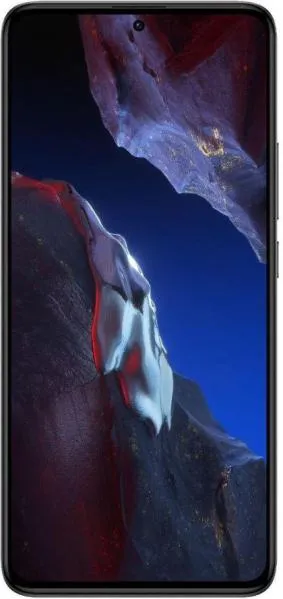
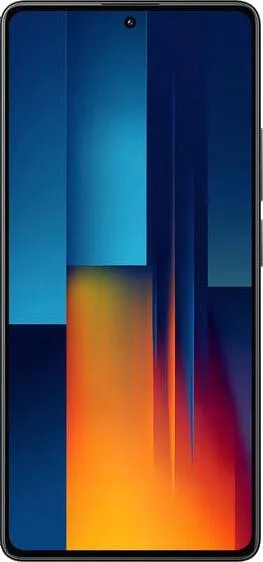
1. Specifications Comparison
| Feature | Xiaomi Poco F5 Pro | Xiaomi Poco M6 Pro | Practical Impact |
|---|---|---|---|
| Design | |||
| Dimensions (mm) | 162.8 x 75.4 x 8.6 | 161.1 x 75 x 8 | Poco F5 Pro is slightly larger and thicker. |
| Weight (g) | 204 | 179 | Poco M6 Pro is noticeably lighter, improving one-handed use. |
| Display | |||
| Size (inches) | 6.67 | 6.67 | Same size display. |
| Resolution | 1440 x 3200 (WQHD+) | 1080 x 2400 (FHD+) | F5 Pro has a significantly sharper display, beneficial for media consumption and detail-oriented tasks. |
| Type | AMOLED, 120Hz | AMOLED, 120Hz | Both offer smooth scrolling and animations thanks to the 120Hz refresh rate. |
| Peak Brightness | 1400 nits | 1300 nits | F5 Pro slightly brighter; marginally better outdoor visibility. |
| Color Depth | 68B | Not specified | F5 Pro supports a wider color gamut resulting in more vibrant and accurate colors. |
| HDR | Dolby Vision, HDR10+ | Not specified for HDR10/10+, though 1000nits suggests some HDR capability | F5 Pro offers superior HDR support, leading to a better viewing experience in supported content. |
| Performance | |||
| Chipset | Snapdragon 8+ Gen 1 | Helio G99 Ultra | F5 Pro boasts a flagship-level processor, resulting in significantly faster performance for demanding tasks and gaming. |
| CPU | Octa-core (1x3.0 GHz Cortex-X2 & 3x2.5 GHz Cortex-A710 & 4x1.80 GHz Cortex-A510) | Octa-core (2x2.2 GHz Cortex-A76 & 6x2.0 GHz Cortex-A55) | The F5 Pro's CPU architecture and higher clock speeds offer a substantial performance advantage. |
| GPU | Adreno 730 | Mali-G57 MC2 | F5 Pro has a much more powerful GPU, crucial for high-end gaming and graphics-intensive applications. |
| RAM | 8/12GB | 6/8/12GB | Both offer ample RAM, though F5 Pro's higher configurations benefit multitasking. |
| Camera | |||
| Main Camera | 64MP, f/1.79 | 64MP, f/1.79 | Similar main camera specifications on paper; real-world performance may differ due to image processing. |
| Ultrawide | 8MP, f/2.2 | 8MP, f/2.2 | Similar ultrawide specifications. |
| Macro | 2MP, f/2.4 | 2MP, f/2.45 | Negligible difference in macro capabilities. |
| Video | 8K@24fps, 4K@60fps | 1080p@60fps | F5 Pro supports much higher video resolution and frame rates. |
| Battery | |||
| Capacity | 5160 mAh | 5000 mAh | Slightly larger battery in the F5 Pro, but real-world battery life depends on usage and optimization. |
2. Key Differences Analysis
Xiaomi Poco F5 Pro Advantages:
- Significantly more powerful: The Snapdragon 8+ Gen 1 offers a substantial performance advantage over the Helio G99, making the F5 Pro ideal for demanding tasks and gaming.
- Sharper Display: The WQHD+ resolution provides a noticeably crisper viewing experience.
- Superior HDR: Dolby Vision and HDR10+ support enhance the dynamic range and color accuracy of compatible content.
- Higher Resolution Video Recording: Capability to record up to 8K video.
Xiaomi Poco M6 Pro Advantages:
- Lighter and More Compact: Easier to handle and carry.
- Lower Price: Offers good value for its price range.
3. User Profiles & Recommendations
Xiaomi Poco F5 Pro: Users who prioritize performance, a high-quality display, and advanced features like high-resolution video recording. Ideal for gamers, power users, and multimedia enthusiasts.
Xiaomi Poco M6 Pro: Budget-conscious users who prioritize a lightweight design and decent performance for everyday tasks. Suitable for casual users, social media browsing, and light gaming.
4. Decision Framework
Key Questions for Buyers:
- What is your budget? The Poco M6 Pro is significantly more affordable.
- What is your primary use case? For demanding tasks and gaming, the F5 Pro is vastly superior. For everyday use, the M6 Pro is sufficient.
- How important is display quality and video recording capability? The F5 Pro offers a much sharper display and significantly better video recording options.
Scenario-Based Recommendations:
- Gamer: Poco F5 Pro
- Casual User: Poco M6 Pro
- Photographer/Videographer: Poco F5 Pro
- Budget-Conscious Buyer: Poco M6 Pro
My Choice: Xiaomi Poco F5 Pro
While the Poco M6 Pro offers excellent value for its price, I would choose the Poco F5 Pro. The significant performance difference, superior display, and enhanced video recording capabilities are crucial for my usage. I prioritize a smooth and responsive experience for demanding tasks, gaming, and media consumption, and the F5 Pro delivers on these fronts. The slightly higher price is justified by the substantial upgrade in overall quality and future-proofing offered by the flagship-level hardware. The lighter weight of the M6 Pro is tempting, but the performance difference is too significant to ignore.
