1. Specifications Comparison
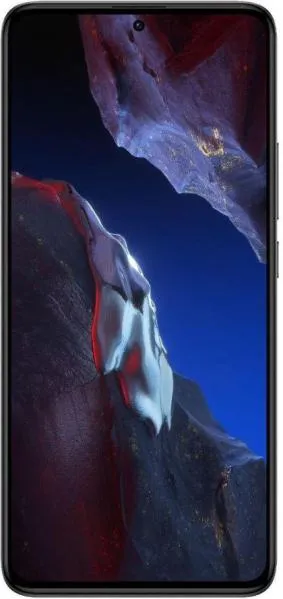
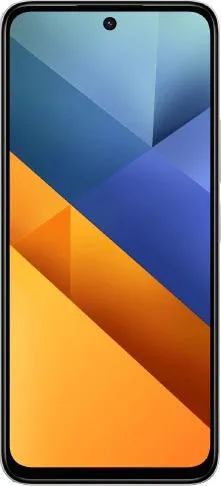
| Feature | Xiaomi Poco F5 Pro | Xiaomi Poco M6 4G | Practical Impact |
|---|---|---|---|
| Design | |||
| Dimensions (mm) | 162.8 x 75.4 x 8.6 | 168.6 x 76.3 x 8.3 | Poco F5 Pro is slightly smaller and thinner. |
| Weight (g) | 204 | 205 | Negligible weight difference. |
| Build | Information not available | Information not available | Build materials impact durability and premium feel; information needed for comparison. |
| Display | |||
| Display Type | 6.67" AMOLED, 120Hz | 6.79" IPS LCD, 90Hz | F5 Pro offers superior contrast, deeper blacks, and smoother animations due to AMOLED and higher refresh rate. M6 4G has slightly larger display. |
| Resolution | 1440 x 3200 | 1080 x 2460 | F5 Pro has significantly sharper display (526 ppi vs 396 ppi), resulting in clearer text and images. |
| Brightness | 1400 nits (peak) | 550 nits (HBM) | F5 Pro will be much more visible in direct sunlight. |
| HDR | Dolby Vision, HDR10+ | None specified | F5 Pro offers significantly better HDR performance for compatible content. |
| Performance | |||
| Chipset | Snapdragon 8+ Gen 1 (4nm) | Helio G91 Ultra (12nm) | F5 Pro boasts significantly faster CPU and GPU performance, enabling smoother multitasking, gaming, and demanding applications. |
| CPU | Octa-core (1x3.0 GHz Cortex-X2 & 3x2.5 GHz Cortex-A710 & 4x1.80 GHz Cortex-A510) | Octa-core (2x2.0 GHz Cortex-A75 & 6x1.8 GHz Cortex-A55) | F5 Pro's CPU architecture is more powerful and efficient. |
| RAM | 8GB/12GB | 6GB/8GB | More RAM in F5 Pro allows for smoother multitasking and better handling of demanding apps. |
| Storage | 256GB/512GB | 128GB/256GB | F5 Pro offers higher storage options for users with large media libraries. |
| Camera | |||
| Main Camera | 64MP, f/1.79 | 108MP, f/1.75 | While M6 4G has higher resolution, F5 Pro's sensor and processing likely result in better overall image quality, especially in low light. |
| Ultrawide | 8MP, f/2.2 | Not specified | F5 Pro offers ultrawide photography, enabling wider field of view shots. |
| Video | 8K@24fps, 4K@60fps | 1080p@30fps | F5 Pro provides substantially better video recording capabilities with higher resolution and frame rates. |
| Battery | |||
| Capacity | 5160 mAh | 5030 mAh | Marginally larger battery in the F5 Pro. |
| Charging Speed | Information not available | Information not available | Charging speed significantly impacts daily usability; information needed for comparison. |
2. Key Differences Analysis
Xiaomi Poco F5 Pro Advantages:
- Significantly higher performance: The Snapdragon 8+ Gen 1 far outperforms the Helio G91 Ultra, resulting in a much smoother and faster user experience across all tasks.
- Superior display: AMOLED technology with 120Hz refresh rate and HDR support provides vibrant colors, deeper blacks, and incredibly fluid animations.
- Better camera versatility: Includes an ultrawide lens and significantly better video recording capabilities.
Xiaomi Poco M6 4G Advantages:
- Lower price: Significantly more affordable.
- Slightly larger display: Offers more screen real estate for media consumption.
3. User Profiles & Recommendations
Xiaomi Poco F5 Pro: Ideal for users who prioritize performance, a premium display, and versatile camera capabilities. Suitable for demanding tasks like gaming, video editing, and multitasking. Excellent for media consumption due to the high-quality display.
Xiaomi Poco M6 4G: Best suited for budget-conscious users who prioritize basic smartphone functionality. Suitable for everyday tasks like web browsing, social media, and casual photography. Good for users who prefer a large display.
4. Decision Framework
Key Questions for Buyers:
- What is your budget? The Poco M6 4G is significantly cheaper.
- What are your performance requirements? The Poco F5 Pro offers a substantial performance advantage.
- How important is display quality? The Poco F5 Pro's AMOLED display is far superior.
Scenario-Based Recommendations:
- Gamer/Power User: Poco F5 Pro is the clear choice.
- Budget-conscious user with basic needs: Poco M6 4G offers good value.
- User prioritizing media consumption: Poco F5 Pro for its superior display quality.
My Choice: Xiaomi Poco F5 Pro
Reasoning: While the Poco M6 4G offers a larger display and a lower price, the Poco F5 Pro's substantial advantages in performance, display quality, and camera versatility make it the better overall device for my needs. I prioritize a smooth and responsive user experience, a high-quality display for media consumption, and the ability to capture high-quality photos and videos. The price difference is justified by the significant upgrade in these key areas. The Snapdragon 8+ Gen 1, coupled with the 120Hz AMOLED display, ensures a future-proof device capable of handling demanding tasks and providing a premium user experience for years to come.
