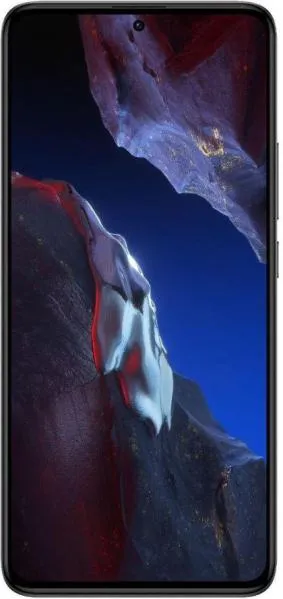

1. Specifications Comparison
| Feature | Xiaomi Poco F5 Pro | Xiaomi 14T Pro | Practical Impact |
|---|---|---|---|
| Design | |||
| Dimensions (mm) | 162.8 x 75.4 x 8.6 | 160.4 x 75.1 x 8.4 | 14T Pro is slightly smaller and thinner. Negligible difference in daily use. |
| Weight (g) | 204 | 209 | Virtually identical weight; no noticeable difference in hand. |
| Display | |||
| Size (inches) | 6.67 | 6.67 | Same screen size. |
| Resolution (px) | 1440 x 3200 | 1220 x 2712 | Poco F5 Pro has a sharper display (WQHD+ vs. FHD+). Noticeable in media consumption and detail-oriented tasks. |
| Refresh Rate (Hz) | 120 | 144 | 14T Pro offers smoother scrolling and animations. Beneficial for gaming and fast-paced UI interactions. |
| Peak Brightness (nits) | 1400 | 4000 | 14T Pro boasts significantly higher peak brightness, crucial for outdoor visibility. |
| Performance | |||
| Chipset | Snapdragon 8+ Gen 1 | Dimensity 9300+ | Both are high-end chipsets. Dimensity 9300+ is newer and potentially more power efficient. Real-world performance differences might be minimal for average users. |
| CPU | Octa-core (1x3.0 GHz X2 & 3x2.5 GHz A710 & 4x1.80 GHz A510) | Octa-core (1x3.4 GHz X4 & 3x2.85 GHz X4 & 4x2.0 GHz A720) | 14T Pro has a newer CPU architecture and higher clock speeds, potentially leading to faster processing in demanding tasks. |
| GPU | Adreno 730 | Immortalis-G720 MC12 | Both are powerful GPUs. Immortalis-G720 MC12 in the 14T Pro might offer better gaming performance. |
| RAM (GB) | 8/12 | 12 | 14T Pro offers more RAM in its base configuration, allowing for better multitasking and app retention. |
| Camera | |||
| Main Camera (MP) | 64 | 50 | Poco F5 Pro has a higher resolution sensor, but sensor size and aperture are more critical. 14T Pro uses a larger 1/1.31" sensor with a wider f/1.6 aperture, suggesting better low-light performance. |
| Ultrawide (MP) | 8 | 12 | 14T Pro has a higher resolution ultrawide. |
| Telephoto (MP) | None | 50 | 14T Pro offers a dedicated telephoto lens for optical zoom, a significant advantage for versatility. |
| Video | Up to 8K@24fps | Up to 8K@30fps & 1080p@960fps | 14T Pro offers slightly better video recording capabilities, including super slow-motion. |
| Battery | |||
| Capacity (mAh) | 5160 | 5000 | Poco F5 Pro has a slightly larger battery. Real-world battery life depends on various factors including software optimization and display usage. |
2. Key Differences Analysis
Xiaomi Poco F5 Pro Advantages:
- Sharper Display: Higher resolution for detailed content.
- Slightly Larger Battery: Potential for longer battery life, but real-world usage will vary.
Xiaomi 14T Pro Advantages:
- Brighter Display: Excellent outdoor visibility.
- Faster Refresh Rate: Smoother UI and gaming experience.
- Newer & Potentially More Powerful Chipset: Advantages in demanding tasks and potentially better power efficiency.
- More RAM: Better multitasking and app retention.
- Superior Camera System: Larger main sensor with wider aperture, dedicated telephoto lens, and better video recording capabilities.
- More Recent Android Version: Access to newer features and potentially longer software support.
3. User Profiles & Recommendations
Xiaomi Poco F5 Pro: Users prioritizing a sharp display and potentially longer battery life, on a tighter budget. Ideal for media consumption and less demanding tasks.
Xiaomi 14T Pro: Users seeking the latest technology with a focus on performance, camera quality, and a smooth display. Ideal for power users, mobile gamers, and photography enthusiasts.
4. Decision Framework
Key Questions for Buyers:
- What is your budget? The Poco F5 Pro is generally more affordable.
- What are your primary use cases? Gaming, photography, general use?
- Which features are most important? Display sharpness, battery life, camera versatility, performance?
Scenario-Based Recommendations:
- Tight Budget, Media Consumption: Poco F5 Pro
- Latest Technology, Best Camera: Xiaomi 14T Pro
- Balanced Performance and Value: Consider both, leaning towards the 14T Pro if the price difference is manageable.
My Choice: Xiaomi 14T Pro
While the Poco F5 Pro offers a sharper display and slightly larger battery, the Xiaomi 14T Pro represents a more significant upgrade overall. The combination of a brighter, faster display, newer and potentially more powerful chipset, superior camera system with a telephoto lens, and the latest Android version makes it a more compelling device for the long term. The significantly improved camera system, brighter display for outdoor use, and performance improvements are worth the price difference for me. While the Poco F5 Pro is a solid device, the 14T Pro offers a more future-proof and versatile experience.
