1. Specifications Comparison
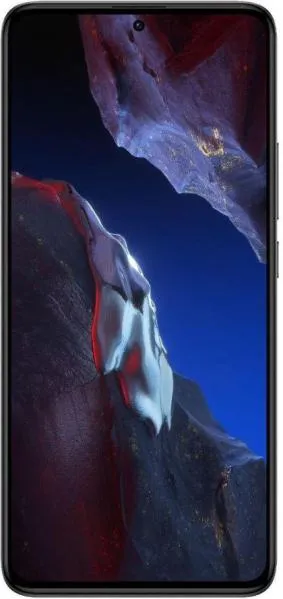
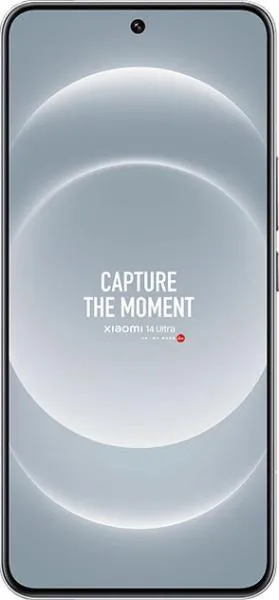
| Feature | Xiaomi Poco F5 Pro | Xiaomi 14 Ultra | Practical Impact |
|---|---|---|---|
| Design | |||
| Dimensions (mm) | 162.8 x 75.4 x 8.6 | 161.4 x 75.3 x 9.2 | Poco F5 Pro is slightly taller and thinner, 14 Ultra slightly thicker. Negligible difference in daily use. |
| Weight (g) | 204 | 229.5 | 14 Ultra is noticeably heavier, potentially impacting one-handed use and pocket comfort. |
| Display | |||
| Size (inches) | 6.67 | 6.73 | Virtually identical screen real estate. |
| Resolution (px) | 1440 x 3200 | 1440 x 3200 | Same sharp resolution on both devices. |
| Panel Type | AMOLED | LTPO AMOLED | 14 Ultra's LTPO panel allows for dynamic refresh rate adjustment (1-120Hz), leading to better battery efficiency. |
| Peak Brightness (nits) | 1400 | 3000 | 14 Ultra offers significantly higher peak brightness, ensuring superior outdoor visibility. |
| Performance | |||
| Chipset | Snapdragon 8+ Gen 1 | Snapdragon 8 Gen 3 | 14 Ultra has a newer, more powerful and efficient processor, resulting in smoother performance, better multitasking, and improved battery life. |
| RAM (GB) | 8/12 | 12/16 | 14 Ultra offers more RAM in its higher-end configurations, benefiting heavy multitaskers and gamers. |
| OS | Android 13 | Android 14 | 14 Ultra comes with the latest Android version, offering potential new features and longer software support. Missing information on Poco F5 Pro's maximum Android version update. |
| Camera | |||
| Main Sensor (MP) | 64 MP, Omnivision OV64B | 50 MP, 1-inch Sony IMX989 | 14 Ultra boasts a significantly larger sensor, capturing more light and detail, especially in low-light conditions. |
| Ultrawide (MP) | 8 MP | 50 MP, Sony IMX858 | Massive difference in ultrawide quality; 14 Ultra's ultrawide is comparable to many phones' main cameras. |
| Telephoto | 2 MP Macro | Triple Telephoto (3.2x, 5x, Periscope) | 14 Ultra offers vastly superior zoom capabilities with dedicated telephoto lenses. Poco F5 Pro only has a low-resolution macro lens. |
| Battery | |||
| Capacity (mAh) | 5160 | 5000 | Slightly larger battery on the Poco F5 Pro, but the 14 Ultra's more efficient processor may result in similar or better battery life. |
| Charging | USB Type-C 2.0 | USB Type-C 3.2 Gen 2 | 14 Ultra supports much faster data transfer speeds and potentially faster charging (specification details missing for both phones' charging speeds). Also, DisplayPort on the 14 Ultra. |
2. Key Differences Analysis
Xiaomi Poco F5 Pro Advantages:
- Lower Price: Generally more affordable.
- Slightly Larger Battery: Marginally higher battery capacity.
Xiaomi 14 Ultra Advantages:
- Significantly Better Camera System: Larger main sensor, high-resolution ultrawide, and versatile telephoto lenses.
- More Powerful and Efficient Processor: Smoother performance and potentially better battery life.
- Newer OS and Longer Software Support: More up-to-date software with likely longer updates.
- Brighter Display: Much brighter for improved outdoor visibility.
- LTPO Display: Dynamic refresh rate for better power efficiency.
- Faster USB Standard: Faster data transfer and potentially faster charging. DisplayPort support for video output.
3. User Profiles & Recommendations
Xiaomi Poco F5 Pro: Budget-conscious users who prioritize a large screen, good performance, and long battery life. Suitable for everyday tasks, media consumption, and light gaming.
Xiaomi 14 Ultra: Users who demand the best possible camera system, top-tier performance, and the latest technology. Ideal for photography enthusiasts, power users, and those who value a premium experience.
4. Decision Framework
Key Questions:
- What is your budget? The Poco F5 Pro is significantly cheaper.
- Is camera quality a top priority? The 14 Ultra offers a vastly superior camera experience.
- Do you need the absolute best performance and latest features? The 14 Ultra excels in these areas.
Scenario-Based Recommendations:
- Limited Budget: Poco F5 Pro
- Photography Enthusiast: Xiaomi 14 Ultra
- Power User/Gamer: Xiaomi 14 Ultra
My Choice: Xiaomi 14 Ultra
While the Poco F5 Pro offers excellent value, the Xiaomi 14 Ultra is the clear winner for me. The significantly improved camera system, more powerful processor, LTPO display, faster USB standard with DisplayPort, and longer software support justify the higher price. The camera advancements alone are a compelling reason, making the 14 Ultra a true flagship device capable of capturing stunning photos and videos. While heavier, the overall improvements in performance, display, and features outweigh the weight difference for my personal preferences.
