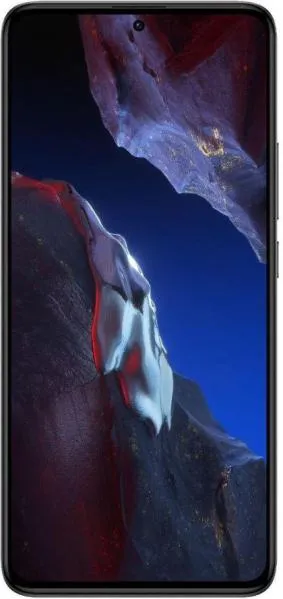
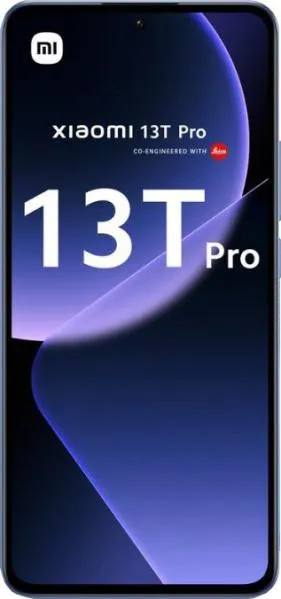
1. Specifications Comparison
| Feature | Xiaomi Poco F5 Pro | Xiaomi 13T Pro | Practical Impact |
|---|---|---|---|
| Design | |||
| Dimensions (mm) | 162.8 x 75.4 x 8.6 | 162.2 x 75.7 x 8.5 | Virtually identical in size and feel |
| Weight (g) | 204 | 200 | Negligible difference in weight |
| Display | |||
| Size (inches) | 6.67 | 6.67 | Same screen size |
| Resolution | 1440 x 3200 | 1220 x 2712 | Poco F5 Pro has a sharper display (higher pixel density) leading to crisper text and images. |
| Refresh Rate (Hz) | 120 | 144 | 13T Pro offers smoother scrolling and animations, especially noticeable in gaming and fast-paced content. |
| Peak Brightness (nits) | 1400 | 2600 | 13T Pro has significantly higher peak brightness, making it much more readable in direct sunlight. |
| Display Type | AMOLED | AMOLED | Both offer vibrant colors and deep blacks. |
| Performance | |||
| Chipset | Snapdragon 8+ Gen 1 | Dimensity 9200+ | Both are high-end chipsets offering excellent performance. Dimensity 9200+ generally benchmarks slightly higher. |
| CPU | Octa-core (1x3.0 GHz X2 & 3x2.5 GHz A710 & 4x1.80 GHz A510) | Octa-core (1x3.35 GHz X3 & 3x3.0 GHz A715 & 4x2.0 GHz A510) | Both offer top-tier CPU performance; differences will be minor in everyday tasks. |
| GPU | Adreno 730 | Immortalis-G715 MC11 | Immortalis-G715 generally boasts stronger gaming performance. |
| RAM (GB) | 8/12 | 12/16 | 13T Pro offers higher RAM configurations, beneficial for multitasking and demanding applications. |
| Camera | |||
| Main Camera (MP) | 64 | 50 | Poco F5 Pro has higher resolution; 13T Pro uses a larger sensor (Sony IMX707) which generally performs better in low light. |
| Telephoto | No | Yes (50MP) | 13T Pro offers optical zoom for better quality zoomed images. |
| Ultrawide (MP) | 8 | 13 | 13T Pro has a higher resolution ultrawide camera. |
| Battery | |||
| Capacity (mAh) | 5160 | 5000 | Poco F5 Pro has slightly larger battery capacity, potentially offering slightly longer battery life. |
2. Key Differences Analysis
Xiaomi Poco F5 Pro Advantages:
- Sharper Display: Higher resolution leads to a noticeably crisper viewing experience.
- Slightly Larger Battery: Potentially slightly longer battery life.
Xiaomi 13T Pro Advantages:
- Higher Refresh Rate: Smoother and more responsive user experience.
- Significantly Brighter Display: Much better outdoor visibility.
- More Powerful GPU: Advantage in demanding games.
- More RAM: Better for multitasking and future-proofing.
- Telephoto Lens: Optical zoom capabilities for superior zoomed images.
- Better Main Camera Sensor: Improved low-light performance and potentially better overall image quality.
- Newer Bluetooth Standard: Slightly improved power efficiency and range for connected devices.
3. User Profiles & Recommendations
Xiaomi Poco F5 Pro: Users who prioritize a sharp display and value battery life. Suitable for media consumption, reading, and general use.
Xiaomi 13T Pro: Users who prioritize a smooth and responsive experience, excellent gaming performance, bright outdoor visibility, and versatile camera capabilities. Suitable for mobile gamers, photographers, and those who use their phone extensively outdoors.
4. Decision Framework
Key Questions for Buyers:
- How important is outdoor visibility? If you frequently use your phone in direct sunlight, the 13T Pro's superior brightness is crucial.
- Are you a mobile gamer? The 13T Pro's superior GPU and higher refresh rate will provide a better gaming experience.
- Do you prioritize camera quality and versatility? The 13T Pro offers a better overall camera system, especially with the telephoto lens.
My Choice: Xiaomi 13T Pro
While the Poco F5 Pro offers a sharper display and marginally larger battery, the Xiaomi 13T Pro provides a more well-rounded and future-proof package. The advantages in refresh rate, display brightness, GPU, RAM, and camera system outweigh the minor benefits of the Poco F5 Pro. The 13T Pro's brighter display significantly improves outdoor usability, a crucial factor for many users. Furthermore, the inclusion of a telephoto lens enhances photographic versatility. The slightly improved performance of the Dimensity 9200+ and higher RAM options also contribute to a smoother, more responsive user experience and better long-term performance. While subjective preferences exist regarding display sharpness, the practical benefits of the 13T Pro make it the compelling choice for me.
