1. Specifications Comparison
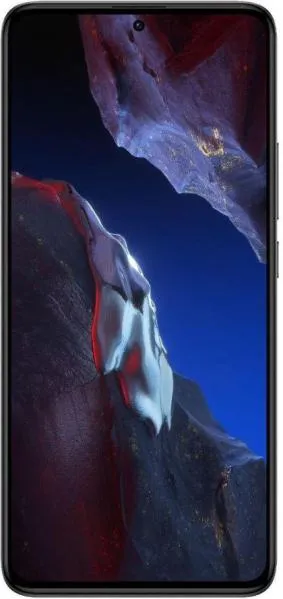
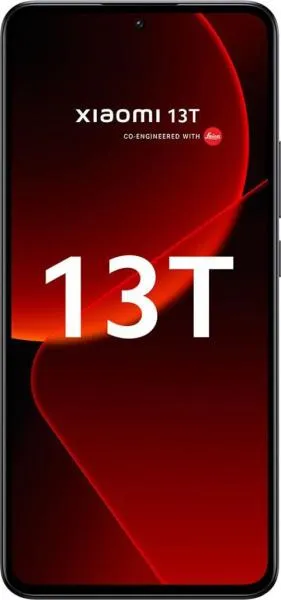
| Feature | Xiaomi Poco F5 Pro | Xiaomi 13T | Practical Impact |
|---|---|---|---|
| Design | |||
| Dimensions (mm) | 162.8 x 75.4 x 8.6 | 162.2 x 75.7 x 8.5 | Virtually identical in size and feel |
| Weight (g) | 204 | 193 | Poco F5 Pro slightly heavier, likely due to larger battery |
| Display | |||
| Size (inches) | 6.67 | 6.67 | Same size |
| Resolution | 1440 x 3200 | 1220 x 2712 | Poco F5 Pro sharper due to higher pixel density (526 ppi vs 446 ppi). Noticeable in VR, reading fine text. |
| Refresh Rate (Hz) | 120 | 144 | 13T smoother scrolling and animations, beneficial for gaming and fast-paced content. |
| Peak Brightness (nits) | 1400 | 2600 | 13T significantly brighter outdoors. |
| Performance | |||
| Chipset | Snapdragon 8+ Gen 1 | Dimensity 8200 Ultra | Both are high-performance, but Snapdragon generally considered slightly more powerful. Real-world difference likely minimal for average users. |
| CPU | Octa-core (1x3.0 GHz Cortex-X2 & 3x2.5 GHz Cortex-A710 & 4x1.80 GHz Cortex-A510) | Octa-core (1x3.1 GHz Cortex-A78 & 3x3.0 GHz Cortex-A78 & 4x2.0 GHz Cortex-A55) | Specific core configurations differ, benchmarking required for precise comparison. |
| GPU | Adreno 730 | Mali-G610 MC6 | Adreno 730 generally offers better gaming performance. |
| RAM (GB) | 8/12 | 8/12 | Options for both, more RAM improves multitasking |
| Camera | |||
| Main Camera (MP) | 64 (Omnivision OV64B) | 50 (Sony IMX707) | IMX707 generally known for superior low-light performance and image quality despite lower resolution. |
| Ultrawide (MP) | 8 | 13 | 13T offers higher resolution ultrawide. |
| Telephoto | No | 50 MP (2x Optical Zoom) | 13T has a dedicated telephoto lens for optical zoom, a significant advantage. |
| Video Recording | Up to 8K@24fps | Up to 4K@30fps | Poco F5 Pro offers higher resolution video recording, but 13T likely better quality at 4K due to sensor. |
| Battery | |||
| Capacity (mAh) | 5160 | 5000 | Poco F5 Pro slightly larger battery, potentially longer battery life. |
2. Key Differences Analysis
Xiaomi Poco F5 Pro Advantages:
- Sharper Display: Higher resolution for detailed content consumption.
- Potentially Longer Battery Life: Larger battery capacity.
- Higher Resolution Video Recording: Up to 8K.
Xiaomi 13T Advantages:
- Smoother Display: Higher refresh rate for fluid user experience.
- Brighter Display: Better visibility in sunlight.
- Superior Main and Telephoto Cameras: Better low-light performance and optical zoom.
- Newer OS Max Version: Will receive software updates for longer
Trade-offs:
- Poco F5 Pro: Higher resolution display might consume more battery. 8K video recording is resource intensive.
- Xiaomi 13T: Lower resolution display despite larger physical size. Lacks 8K video recording.
3. User Profiles & Recommendations
Xiaomi Poco F5 Pro: Users prioritizing sharp displays for media consumption, potentially VR users, those seeking longer battery life.
Xiaomi 13T: Users prioritizing smooth display, excellent camera quality (especially low light and zoom), gamers, those who value longer software support.
4. Decision Framework
Key Questions:
- Is display sharpness or smoothness more important?
- Is camera quality a top priority? (Specifically, low-light performance and zoom capability)
- How important is future software updates and support?
Scenario-Based Recommendations:
- Heavy gamer: Xiaomi 13T for higher refresh rate.
- Photographer/Videographer: Xiaomi 13T for superior camera system.
- Power user needing long battery life: Xiaomi Poco F5 Pro.
My Choice: Xiaomi 13T
While the Poco F5 Pro offers a sharper display and potentially longer battery life, the Xiaomi 13T's superior camera system, smoother display, brighter screen for outdoor use and longer software support makes it the more compelling device for me. The 50MP telephoto lens offering 2x optical zoom is a significant advantage over the Poco F5 Pro, and the improved main camera sensor on the 13T likely delivers better overall image quality. The smoother 144Hz display enhances daily interactions, and the extended software support ensures the device remains up-to-date for a longer period. While benchmarks would be needed to confirm, the real-world performance difference between the two chipsets is likely negligible for my usage. The slightly brighter screen of the 13T is also a big plus for me.
