1. Specifications Comparison
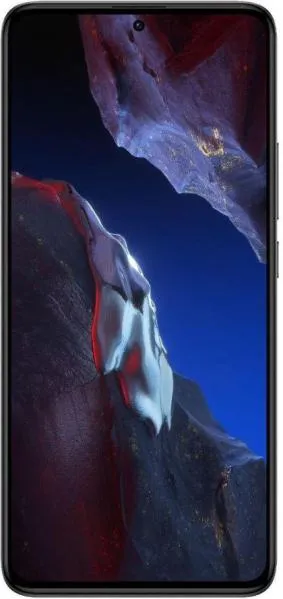
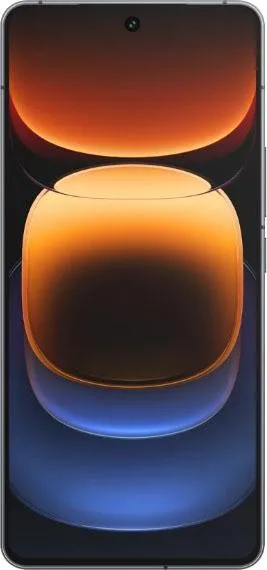
| Feature | Xiaomi Poco F5 Pro | vivo iQOO 12 | Practical Impact |
|---|---|---|---|
| Design | |||
| Dimensions (mm) | 162.8 x 75.4 x 8.6 | 163.2 x 75.9 x 8.1 | iQOO 12 is slightly larger and thinner. Negligible difference in daily use. |
| Weight (g) | 204 | 198.5 | iQOO 12 is marginally lighter. |
| Display | |||
| Size (inches) | 6.67 | 6.78 | iQOO 12 offers a slightly larger display for more immersive content consumption. |
| Resolution | 1440 x 3200 | 1260 x 2800 | Poco F5 Pro has a sharper display (higher pixel density) resulting in crisper text and images. |
| Refresh Rate (Hz) | 120 | 144 | iQOO 12's higher refresh rate delivers smoother animations and scrolling, especially beneficial for gaming. |
| Panel Type | AMOLED | LTPO AMOLED | Both are AMOLED, offering vibrant colors and deep blacks. iQOO 12's LTPO panel allows for dynamic refresh rate adjustment, potentially saving battery. |
| Peak Brightness (nits) | 1400 | 3000 | iQOO 12 has significantly higher peak brightness, improving outdoor visibility. |
| Performance | |||
| Chipset | Snapdragon 8+ Gen 1 | Snapdragon 8 Gen 3 | iQOO 12 boasts a newer, more powerful processor, leading to faster performance and better efficiency. |
| CPU | Octa-core (1x3.0 GHz Cortex-X2 & 3x2.5 GHz Cortex-A710 & 4x1.80 GHz Cortex-A510) | Octa-core (1x3.3 GHz Cortex-X4 & 3x3.2 GHz Cortex-A720 & 2x3.0 GHz Cortex-A720 & 2x2.3 GHz Cortex-A520) | iQOO 12's CPU architecture offers performance gains in demanding tasks and multitasking. |
| GPU | Adreno 730 | Adreno 750 | iQOO 12 features a more powerful GPU for improved gaming and graphics-intensive applications. |
| RAM (GB) | 8/12 | 12/16 | iQOO 12 offers more RAM in its base configuration, enhancing multitasking and app performance. |
| Camera | |||
| Main Camera (MP) | 64 | 50 | Megapixel count doesn't tell the whole story; image quality depends on sensor size, aperture, and processing. |
| Ultrawide (MP) | 8 | 50 | iQOO 12 has a significantly better ultrawide camera in terms of resolution. |
| Telephoto (MP) | N/A | 64 | iQOO 12 offers a dedicated telephoto lens for optical zoom, absent in the Poco F5 Pro. |
| Battery | |||
| Capacity (mAh) | 5160 | 5000 | Poco F5 Pro has a slightly larger battery capacity, but real-world battery life depends on many factors. |
2. Key Differences Analysis
Xiaomi Poco F5 Pro Advantages:
- Sharper Display: Higher pixel density provides a noticeably crisper viewing experience.
- Slightly Larger Battery: Potentially longer battery life, although real-world usage will vary.
vivo iQOO 12 Advantages:
- More Powerful Processor and GPU: Noticeably faster performance in demanding tasks and games.
- Higher Refresh Rate Display: Smoother scrolling and animations, better gaming experience.
- Brighter Display: Superior outdoor visibility.
- More RAM: Improved multitasking capabilities.
- Superior Camera System: Dedicated telephoto lens for optical zoom, higher resolution ultrawide sensor, and generally more advanced camera features.
- Newer OS with Longer Support: Android 14 out-of-the-box with guaranteed updates to Android 16.
3. User Profiles & Recommendations
Xiaomi Poco F5 Pro: Users prioritizing a sharp display and potentially longer battery life on a budget. Suitable for everyday tasks, media consumption, and casual gaming.
vivo iQOO 12: Users seeking top-tier performance, a smooth and bright display, and a versatile camera system. Ideal for demanding users, mobile gamers, and photography enthusiasts.
4. Decision Framework
Key Questions for Buyers:
- What is your budget? The iQOO 12 is generally more expensive.
- What are your primary use cases? (e.g., gaming, photography, everyday tasks)
- How important is display sharpness vs. refresh rate and brightness?
Scenario-Based Recommendations:
- Tight Budget, Casual User: Poco F5 Pro
- Power User, Gamer, Photographer: iQOO 12
My Choice: vivo iQOO 12
While the Poco F5 Pro offers a sharper display and slightly larger battery, the iQOO 12's advantages in performance, display refresh rate and brightness, camera versatility, and software support are more compelling to me. The newer and more powerful Snapdragon 8 Gen 3, coupled with the Adreno 750 GPU and higher RAM, ensures a future-proof device capable of handling demanding tasks and games with ease. The addition of a dedicated telephoto lens significantly enhances photographic capabilities. The higher refresh rate and brighter display will provide a more enjoyable user experience in various scenarios. Finally, having Android 14 out-of-the-box with a longer update commitment provides peace of mind regarding software updates and security. While subjective, I prioritize these features over a slightly sharper display and marginally larger battery.
