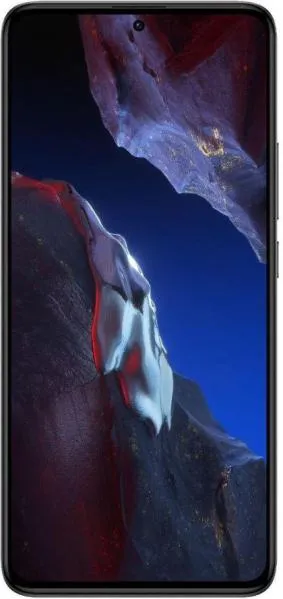
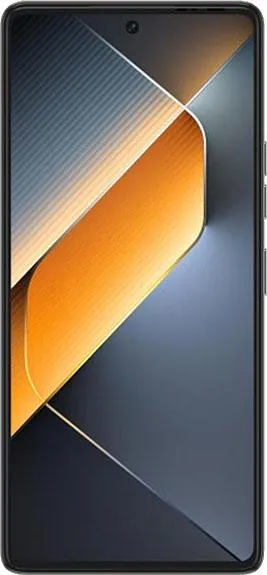
1. Specifications Comparison
| Feature | Xiaomi Poco F5 Pro | Tecno Pova 6 Pro | Practical Impact |
|---|---|---|---|
| Design | |||
| Dimensions (mm) | 162.8 x 75.4 x 8.6 | 165.5 x 76.1 x 7.9 | Poco F5 Pro is slightly smaller and thinner. Pova 6 Pro might feel slightly larger in hand. |
| Weight (g) | 204 | 198 | Negligible weight difference in practical use. |
| Display | |||
| Size (inches) | 6.67 | 6.78 | Pova 6 Pro has a slightly larger display, offering more screen real estate. |
| Resolution | 1440 x 3200 | 1080 x 2436 | Poco F5 Pro boasts a significantly sharper display (526 ppi vs 393 ppi), resulting in crisper text and images. |
| Type | AMOLED, 120Hz, Dolby Vision, HDR10+ | AMOLED, 120Hz | Both offer smooth scrolling with 120Hz. Poco F5 Pro supports Dolby Vision and HDR10+ for superior dynamic range and color accuracy in compatible content. |
| Peak Brightness (nits) | 1400 | 1300 | Poco F5 Pro can get slightly brighter, improving outdoor visibility. |
| Performance | |||
| Chipset | Snapdragon 8+ Gen 1 (4nm) | Dimensity 6080 (6nm) | Poco F5 Pro features a significantly more powerful processor, resulting in smoother performance in demanding tasks and games. |
| CPU | Octa-core (1x3.0 GHz Cortex-X2 & 3x2.5 GHz Cortex-A710 & 4x1.80 GHz Cortex-A510) | Octa-core (2x2.4 GHz Cortex-A76 & 6x2.0 GHz Cortex-A55) | The Poco F5 Pro's CPU architecture is more modern and powerful. |
| GPU | Adreno 730 | Mali-G57 MC2 | Poco F5 Pro has a much stronger GPU, leading to significantly better gaming performance and graphics rendering. |
| RAM | 8/12GB | 6/12GB | Both offer ample RAM, but the Poco F5 Pro's 12GB option provides more headroom for multitasking. |
| Camera | |||
| Main Camera | 64MP, f/1.79, OIS | 108MP, f/1.7 | While the Pova 6 Pro has a higher resolution sensor, the Poco F5 Pro includes Optical Image Stabilization (OIS) for steadier shots and videos, potentially leading to better overall image quality. |
| Video Recording | 8K@24fps, 4K@60fps | 1440p@30fps | Poco F5 Pro offers superior video recording capabilities with higher resolution and frame rates. |
| Battery | |||
| Capacity | 5160 mAh | 6000 mAh | Pova 6 Pro has a larger battery, likely resulting in longer battery life. |
2. Key Differences Analysis
Xiaomi Poco F5 Pro Advantages:
- Significantly more powerful: The Snapdragon 8+ Gen 1 offers a substantial performance advantage for demanding tasks, gaming, and future-proofing.
- Sharper and more vibrant display: Higher resolution and Dolby Vision/HDR10+ support provide a superior visual experience.
- Superior video recording: 8K and 4K@60fps recording options offer greater flexibility and quality.
- OIS for better photos and videos: Image stabilization results in sharper images, especially in low light and when recording video.
Tecno Pova 6 Pro Advantages:
- Larger battery: Potentially significantly longer battery life for extended usage.
- Slightly larger display: More screen real estate for media consumption and multitasking.
Trade-offs:
- Pova 6 Pro: Sacrifices performance and display quality for a larger battery and lower price.
- Poco F5 Pro: Smaller battery capacity compared to the Pova 6 Pro.
3. User Profiles & Recommendations
Xiaomi Poco F5 Pro: Ideal for users who prioritize performance, a high-quality display, and excellent camera capabilities. Suitable for demanding tasks, mobile gaming, and content creation.
Tecno Pova 6 Pro: Best suited for users who prioritize long battery life and a large display for media consumption. A good option for budget-conscious users with less demanding usage patterns.
4. Decision Framework
Key Questions for Buyers:
- What is your budget? The Poco F5 Pro is generally more expensive.
- What are your primary use cases? (Gaming, photography, media consumption, general use)
- How important is battery life versus performance?
My Choice: Xiaomi Poco F5 Pro
While the Tecno Pova 6 Pro offers a larger battery and attractive price point, the Xiaomi Poco F5 Pro is the superior device overall. The significant difference in processing power, display quality, and camera capabilities (especially with OIS) outweighs the Pova 6 Pro's advantages in battery capacity and screen size for me. I prioritize a smooth and responsive user experience, a vibrant display for media consumption, and the ability to capture high-quality photos and videos. The Poco F5 Pro delivers on all these fronts, making it a more compelling choice despite the smaller battery. I'm willing to sacrifice a bit of battery life for significantly better performance and overall user experience. The inclusion of OIS is a critical factor, as it significantly improves image and video quality in various scenarios.
