1. Specifications Comparison
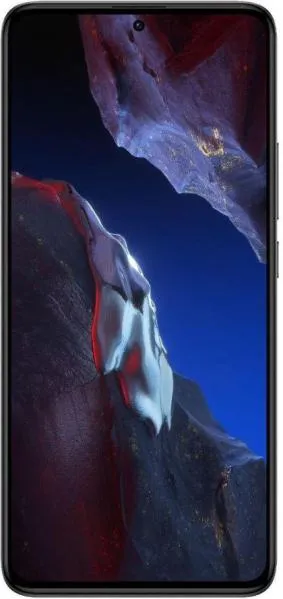
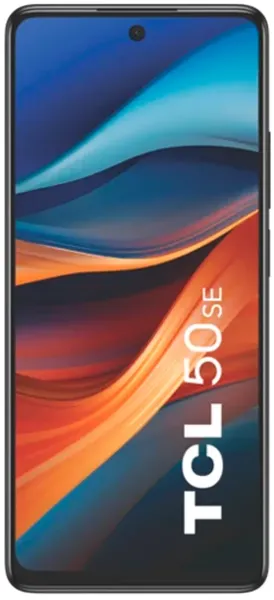
| Feature | Xiaomi Poco F5 Pro | TCL 50 SE | Practical Impact |
|---|---|---|---|
| Design | |||
| Dimensions (mm) | 162.8 x 75.4 x 8.6 | 168.2 x 75.5 x 8.1 | Poco F5 Pro is slightly smaller and thinner. |
| Weight (g) | 204 | 195 | Negligible weight difference in practical use. |
| Fingerprint Sensor | Under display | Side-mounted | Preference-based; under-display considered more modern. |
| Display | |||
| Display Type | AMOLED | IPS LCD | Poco F5 Pro offers significantly better contrast, colors, and viewing angles due to AMOLED technology. |
| Display Size (inches) | 6.67 | 6.78 | TCL 50 SE has a slightly larger screen. |
| Resolution | 1440 x 3200 | 1080 x 2460 | Poco F5 Pro has a much sharper display with higher pixel density (526 ppi vs 396 ppi), resulting in crisper text and images. |
| Refresh Rate (Hz) | 120 | 90 | Poco F5 Pro provides smoother scrolling and animations. |
| HDR | Dolby Vision, HDR10+ | None | Poco F5 Pro supports HDR content for a wider dynamic range and more vibrant visuals. |
| Peak Brightness (nits) | 1400 | 550 | Poco F5 Pro is significantly brighter, ensuring better visibility in sunlight. |
| Performance | |||
| Chipset | Snapdragon 8+ Gen 1 | Helio G88 | Poco F5 Pro offers vastly superior processing power for demanding tasks and gaming due to the flagship Snapdragon chipset. |
| CPU | Octa-core (1x3.0 GHz Cortex-X2 & 3x2.5 GHz Cortex-A710 & 4x1.80 GHz Cortex-A510) | Octa-core (2x2.0 GHz Cortex-A75 & 6x1.8 GHz Cortex-A55) | Poco F5 Pro's CPU architecture and clock speeds translate to significantly faster and more responsive performance. |
| GPU | Adreno 730 | Mali-G52 MC2 | Poco F5 Pro's GPU provides a much better gaming experience with higher frame rates and detail. |
| RAM | 8/12GB | 4/6GB | Poco F5 Pro offers more RAM for better multitasking and app performance. |
| Camera | |||
| Main Camera (MP) | 64 | 50 | Both offer high megapixel counts, but image quality depends on sensor size and processing. |
| Video Recording | Up to 8K@24fps | Up to 1080p@30fps | Poco F5 Pro allows for much higher resolution video recording. |
| Camera Features | OIS, EIS | Poco F5 Pro has Optical Image Stabilization (OIS) for steadier videos and better low-light photos. | |
| Battery | |||
| Capacity (mAh) | 5160 | 5010 | Similar battery capacities; real-world battery life depends on usage and optimization. |
2. Key Differences Analysis
Xiaomi Poco F5 Pro Advantages:
- Significantly more powerful: The Snapdragon 8+ Gen 1 chipset offers a huge performance advantage for gaming, multitasking, and demanding applications.
- Superior display: The AMOLED display with 120Hz refresh rate and HDR support provides a vastly improved visual experience.
- Better camera capabilities: Higher resolution video recording, OIS for stable footage, and potentially better image quality due to the higher-end sensor.
TCL 50 SE Advantages:
- Lower price: Significantly more affordable.
- Slightly larger display: Offers a marginally larger screen size for media consumption.
3. User Profiles & Recommendations
Xiaomi Poco F5 Pro: Ideal for users who prioritize performance, a high-quality display, and advanced camera features. Suitable for gamers, power users, and content creators.
TCL 50 SE: Best suited for budget-conscious users who primarily use their phones for basic tasks like calling, texting, browsing, and social media. A good option for casual users who don't need top-tier performance.
4. Decision Framework
Key Questions for Buyers:
- What is your budget? The Poco F5 Pro is significantly more expensive.
- What are your primary phone usage patterns? For basic tasks, the TCL 50 SE is sufficient. For demanding tasks and gaming, the Poco F5 Pro is necessary.
- How important is display quality and camera performance? The Poco F5 Pro offers a substantially better experience in both areas.
My Choice: Xiaomi Poco F5 Pro
While the TCL 50 SE offers excellent value for its price, the Xiaomi Poco F5 Pro is the clear winner for me. The significantly superior performance, stunning AMOLED display, and enhanced camera capabilities outweigh the price difference. The Snapdragon 8+ Gen 1 ensures a future-proof experience, handling demanding tasks and games with ease for years to come. The 120Hz AMOLED screen provides a noticeable difference in daily use with smooth scrolling and vibrant visuals. As someone who values a smooth and responsive user experience, along with high-quality media consumption and occasional gaming, the Poco F5 Pro aligns perfectly with my needs. The TCL 50 SE is a great budget option, but the compromises in performance and display are too significant for my personal preferences.
