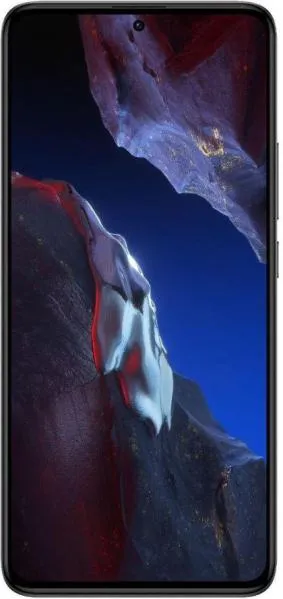

1. Specifications Comparison
| Feature | Xiaomi Poco F5 Pro | Sony Xperia 10 V | Practical Impact |
|---|---|---|---|
| Design | |||
| Dimensions (mm) | 162.8 x 75.4 x 8.6 | 155 x 68 x 8.3 | Xperia 10 V is noticeably smaller and more pocketable. |
| Weight (g) | 204 | 159 | Xperia 10 V is significantly lighter, reducing hand fatigue. |
| Build Material | Missing | Missing | Cannot compare build quality and durability. |
| Display | |||
| Size (inches) | 6.67 | 6.1 | Poco F5 Pro offers a larger screen for more immersive media consumption. |
| Resolution | 1440 x 3200 | 1080 x 2520 | Poco F5 Pro has a much sharper display with higher pixel density (526 vs 449 ppi), resulting in crisper text and images. |
| Type | AMOLED, 120Hz | OLED | Both offer excellent contrast and vibrant colors, but the Poco F5 Pro's 120Hz refresh rate provides smoother scrolling and animations. |
| Peak Brightness | 1400 nits | Missing | Poco F5 Pro's higher peak brightness ensures better visibility in direct sunlight. |
| Performance | |||
| Chipset | Snapdragon 8+ Gen 1 | Snapdragon 695 5G | Poco F5 Pro boasts a significantly more powerful processor, enabling much faster performance in demanding tasks and gaming. |
| RAM (GB) | 8/12 | 6/8 | More RAM in the Poco F5 Pro allows for smoother multitasking and better handling of demanding applications. |
| Storage (GB) | 256/512 | 128 | Poco F5 Pro offers more storage options for large media libraries and apps. |
| Camera | |||
| Main Camera (MP) | 64 | 48 | Poco F5 Pro has a higher resolution main sensor. Image quality comparison requires real-world testing, considering sensor size and processing. |
| Video Recording | Up to 8K@24fps | Up to 1080p@30fps | Poco F5 Pro offers significantly higher video resolution and frame rate options. |
| Battery | |||
| Capacity (mAh) | 5160 | 5000 | Similar battery capacities, though real-world battery life depends on various factors like software optimization and display usage. |
2. Key Differences Analysis
Xiaomi Poco F5 Pro Advantages:
- Superior Performance: The Snapdragon 8+ Gen 1 provides a significant performance advantage for demanding tasks and gaming.
- Sharper and Smoother Display: Higher resolution and 120Hz refresh rate offer a noticeably better visual experience.
- More Versatile Camera: Higher resolution sensors and 8K video recording provide more flexibility for content creation.
- Greater Storage Options: Caters to users with large media libraries.
Sony Xperia 10 V Advantages:
- Compact and Lightweight Design: Easier to handle and carry for one-handed use and portability.
- Lower Price: More budget-friendly option.
3. User Profiles & Recommendations
Xiaomi Poco F5 Pro: Ideal for power users, gamers, and content creators who prioritize performance, a high-quality display, and versatile camera capabilities.
Sony Xperia 10 V: Suitable for users who prioritize a compact and lightweight phone for everyday use, value affordability, and don't require top-tier performance or camera capabilities.
4. Decision Framework
Key Questions for Buyers:
- What is your budget? The Xperia 10 V is significantly more affordable.
- What level of performance do you need? For demanding tasks and gaming, the Poco F5 Pro is a clear winner.
- What size and form factor do you prefer? The Xperia 10 V is considerably smaller and lighter.
My Choice: Xiaomi Poco F5 Pro
While the Sony Xperia 10 V offers a compelling compact design and lower price, the Xiaomi Poco F5 Pro is the superior device overall. Its significantly faster performance, stunning display, and more versatile camera system outweigh the Xperia's advantages for my needs. I prioritize a smooth and responsive user experience, especially for multitasking and media consumption, and the Poco F5 Pro delivers in spades. The price difference is justifiable for the substantial upgrade in performance and features. While I appreciate the Xperia 10 V's portability, I find the Poco F5 Pro's larger screen and higher resolution more appealing for everyday use.
