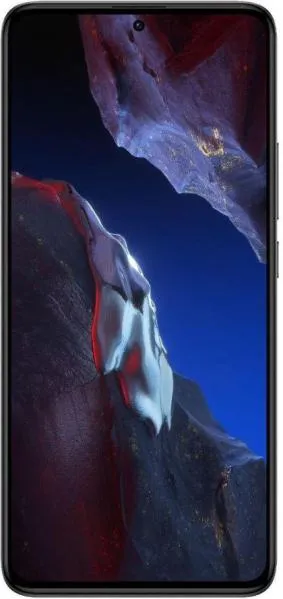
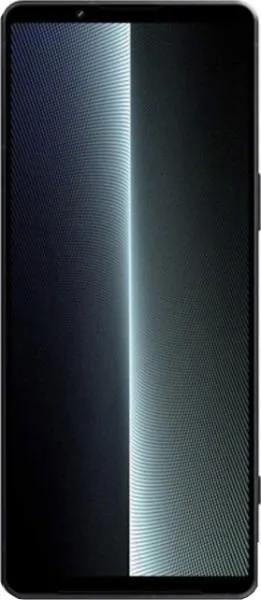
1. Specifications Comparison
| Feature | Xiaomi Poco F5 Pro | Sony Xperia 1 V | Practical Impact |
|---|---|---|---|
| Design | |||
| Dimensions (mm) | 162.8 x 75.4 x 8.6 | 165 x 71 x 8.3 | Xperia 1 V is taller and narrower, potentially less comfortable for one-handed use but better for pockets. |
| Weight (g) | 204 | 187 | Xperia 1 V is noticeably lighter, reducing fatigue during extended use. |
| Build | Missing | Missing | Build materials impact durability and premium feel; information needed for comparison. |
| Display | |||
| Size (inches) | 6.67 | 6.5 | Poco F5 Pro offers slightly larger screen real estate for media consumption. |
| Resolution (pixels) | 1440 x 3200 | 1644 x 3840 | Xperia 1 V has a sharper display due to higher pixel density (643 ppi vs 526 ppi), resulting in crisper text and images. |
| Refresh Rate (Hz) | 120 | 120 | Both offer smooth scrolling and animations thanks to the 120Hz refresh rate. |
| Display Type | AMOLED | OLED | Both offer excellent contrast and vibrant colors. However, the "1B colors" specification of the Xperia 1 V suggests a wider color gamut and potentially more accurate color reproduction compared to the Poco F5 Pro's "68B colors." |
| Peak Brightness (nits) | 1400 | Missing | Poco F5 Pro's higher peak brightness ensures better visibility in direct sunlight. Xperia 1 V's missing data prevents a complete comparison. |
| Performance | |||
| Chipset | Snapdragon 8+ Gen 1 | Snapdragon 8 Gen 2 | Xperia 1 V boasts a newer and generally more powerful chipset, leading to faster processing speeds, improved efficiency, and better gaming performance. |
| CPU | Octa-core (1x3.0 GHz Cortex-X2 & 3x2.5 GHz Cortex-A710 & 4x1.80 GHz Cortex-A510) | Octa-core (1x3.2 GHz Cortex-X3 & 2x2.8 GHz Cortex-A715 & 2x2.8 GHz Cortex-A710 & 3x2.0 GHz Cortex-A510) | Xperia 1 V has a more advanced CPU architecture with a faster prime core (Cortex-X3 vs. Cortex-X2), potentially providing a noticeable performance boost in demanding tasks. |
| RAM (GB) | 8/12 | 12 | Both 12GB RAM variants offer excellent multitasking capabilities. The 8GB option on the Poco F5 Pro might show limitations in heavy multitasking scenarios. |
| GPU | Adreno 730 | Adreno 740 | Xperia 1 V's newer GPU delivers superior graphics performance, beneficial for gaming and graphically intensive applications. |
| Camera | |||
| Main Camera (MP) | 64 | 48 | While Poco F5 Pro has a higher megapixel count, Xperia 1 V uses a larger sensor (1/1.4" vs 1/2") which generally captures more light, resulting in better low-light performance and dynamic range. Megapixels alone are not indicative of overall image quality. |
| Sensor Size | 1/2" | 1/1.4" | Xperia 1 V's larger sensor allows for better light capture, potentially improving image quality, especially in low-light conditions. |
| Video Recording | Up to 8K@24fps | Up to 4K@120fps | Poco F5 Pro offers higher resolution video recording (8K), while Xperia 1 V focuses on higher frame rates (up to 120fps at 4K) for smoother slow-motion footage. |
| Battery | |||
| Capacity (mAh) | 5160 | 5000 | Poco F5 Pro has a slightly larger battery capacity, potentially offering longer battery life. Real-world usage varies greatly. |
| Charging Speed | Missing | Missing | Charging speed significantly impacts usability; information needed for a proper comparison. |
2. Key Differences Analysis
Xiaomi Poco F5 Pro Advantages:
- Lower Price: Positioned in the "medium price" range, offering potentially better value.
- Slightly Larger Display: More screen real estate for media consumption.
- Higher Resolution Video Recording: Capable of 8K video recording.
- Slightly Larger Battery: Potentially longer battery life.
Sony Xperia 1 V Advantages:
- More Powerful Performance: Newer chipset and CPU/GPU architecture for smoother and faster overall performance.
- Sharper Display: Higher pixel density for crisper visuals.
- Superior Camera Sensor: Larger main sensor for better low-light performance and dynamic range.
- Higher Frame Rate Video: Up to 4K@120fps for smoother slow-motion capture.
- More Premium Design: While build materials are missing, Sony generally positions its Xperia line as premium devices.
3. User Profiles & Recommendations
Xiaomi Poco F5 Pro:
- Budget-conscious users: Seeking excellent performance and features at a more affordable price.
- Media consumers: Larger display is beneficial for watching videos and playing games.
- Users prioritizing battery life: Larger battery capacity suggests potentially longer usage between charges.
Sony Xperia 1 V:
- Enthusiast users: Demanding top-tier performance, cutting-edge technology, and a premium experience.
- Mobile photographers and videographers: Larger sensor and high frame rate video recording capabilities are crucial.
- Gamers: Powerful hardware ensures smooth gameplay at high settings.
4. Decision Framework
Key Questions for Buyers:
- What is your budget? The Poco F5 Pro offers better value, while the Xperia 1 V commands a premium price.
- What are your primary use cases? Consider whether you prioritize gaming, photography/videography, media consumption, or general productivity.
- How important is overall performance and future-proofing? The Xperia 1 V's newer hardware offers better longevity.
My Choice: Sony Xperia 1 V
While the Poco F5 Pro offers incredible value, I would choose the Sony Xperia 1 V. The superior camera sensor, more powerful processor (Snapdragon 8 Gen 2), sharper display, and the promise of a more premium build (although details are missing) outweigh the price difference for me. I prioritize camera quality, performance longevity, and a smooth user experience, which the Xperia 1 V delivers based on the available specifications. The larger sensor on the Xperia is crucial for low-light photography, a key consideration for me. The higher refresh rate video recording capability is also appealing for capturing action shots. While the Poco F5 Pro offers 8K recording, 4K at 120fps is more practically useful for slow-motion and general video quality in my experience. Finally, the performance difference between the Snapdragon 8+ Gen 1 and 8 Gen 2, while not massive, will likely provide a more future-proof experience.
