1. Specifications Comparison
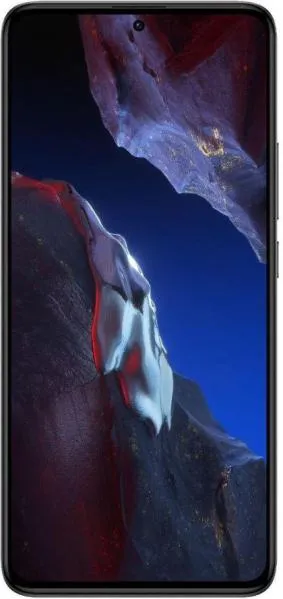
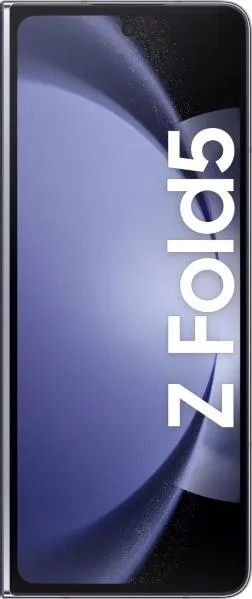
| Feature | Xiaomi Poco F5 Pro | Samsung Galaxy Z Fold5 | Practical Impact |
|---|---|---|---|
| Design | |||
| Dimensions (mm) | 162.8 x 75.4 x 8.6 | 154.9 x 129.9 x 6.1 (folded) | Fold5 significantly more compact when folded, but thicker and wider unfolded. Pocketability vs. screen real estate trade-off. |
| Weight (g) | 204 | 253 | Fold5 noticeably heavier, impacting one-handed use. |
| Foldable | No | Yes | Fold5 offers unique flexibility and larger screen for multitasking, but with added complexity and potential durability concerns. |
| Display | |||
| Size (inches) | 6.67 | 7.6 (main), 6.2 (cover) | Fold5's main display provides a tablet-like experience; cover display offers standard phone functionality. Poco F5 Pro has a large, but traditional, display. |
| Resolution (px) | 1440 x 3200 | 2176 x 1812 (main), 904 x 2316 (cover) | Both offer sharp displays, but Fold5's unique aspect ratio needs app optimization. |
| Refresh Rate (Hz) | 120 | 120 | Both offer smooth scrolling and animations. |
| Display Type | AMOLED | Dynamic AMOLED 2X | Both offer vibrant colors and deep blacks; Samsung generally known for superior display quality. Data is insufficient to compare specific panel technologies (e.g., Fold5 lacks "is_ltpo" value). |
| Performance | |||
| Chipset | Snapdragon 8+ Gen 1 | Snapdragon 8 Gen 2 | Fold5 has a newer, more powerful and efficient chipset, resulting in better performance and potentially longer battery life. |
| CPU | Octa-core (up to 3.0 GHz) | Octa-core (up to 3.36 GHz) | Fold5's faster CPU handles demanding tasks more efficiently. |
| GPU | Adreno 730 | Adreno 740 | Fold5's upgraded GPU offers smoother gaming and faster graphics rendering. |
| RAM (GB) | 8/12 | 12 | Fold5 offers more RAM for seamless multitasking and app switching, particularly beneficial given its larger screen and multitasking focus. |
| Camera | |||
| Main Camera (MP) | 64 | 50 | While Poco F5 Pro boasts higher resolution, Fold5 uses a larger sensor (1/1.57" vs 1/2"), potentially capturing more light and detail in varied conditions. Megapixels alone don't determine image quality. |
| Ultrawide (MP) | 8 | 12 | Fold5's ultrawide offers higher resolution and a potentially wider field of view (specification missing for both). |
| Telephoto | No | Yes (10MP, 2x optical zoom) | Fold5 offers optical zoom for clearer zoomed-in shots; Poco F5 Pro relies on digital zoom. |
| Battery | |||
| Capacity (mAh) | 5160 | 4400 | Poco F5 Pro has significantly larger battery capacity, potentially leading to longer battery life despite potentially higher power consumption from its display. Fold5's smaller battery needs to power two displays. |
2. Key Differences Analysis
Xiaomi Poco F5 Pro Advantages:
- Longer Battery Life (Potentially): Larger battery capacity.
- Lower Price (Likely): Belongs to "medium price" range with lower starting prices observed.
- Simpler, More Established Form Factor: Traditional slab design, potentially more durable and pocketable.
Samsung Galaxy Z Fold5 Advantages:
- Foldable Design: Unique form factor offering a tablet-like experience and enhanced multitasking.
- More Powerful Performance: Newer generation chipset (Snapdragon 8 Gen 2) with faster CPU and GPU.
- Superior Camera System (Likely): Larger main sensor, optical zoom, and generally better image processing expected from Samsung.
- More RAM: 12GB ensures smooth multitasking.
Trade-offs:
- Fold5: Higher price, heavier and thicker, potential durability concerns with the folding mechanism, smaller battery capacity.
- Poco F5 Pro: Less powerful, lacks optical zoom, larger footprint compared to folded Fold5.
3. User Profiles & Recommendations
Xiaomi Poco F5 Pro:
- Ideal User: Budget-conscious users seeking a large, high-performance phone for media consumption, gaming, and general use. Users prioritizing battery life.
- Use Cases: Gaming, video streaming, long days without charging.
Samsung Galaxy Z Fold5:
- Ideal User: Power users who value multitasking, productivity, and a unique mobile experience. Users willing to pay a premium for innovation and portability. Those embracing a new form factor.
- Use Cases: Multitasking with multiple apps, content creation, reading ebooks or articles, on-the-go presentations.
4. Decision Framework
Key Questions for Buyers:
- Budget: How much are you willing to spend? The Fold5 commands a significant premium.
- Form Factor: Do you prioritize portability (folded Fold5) or a large, traditional screen (Poco F5 Pro)? Are you willing to adopt a foldable design with its potential benefits and drawbacks?
- Usage: Will you utilize the Fold5's multitasking capabilities and larger screen, or do your needs center around basic smartphone functions and longer battery life?
Scenario-Based Recommendations:
- Limited Budget, Focus on Value: Poco F5 Pro
- Power User, Multitasking Focused: Fold5
- Emphasis on Portability and Innovation: Fold5
- Prioritizing Battery Life and Simplicity: Poco F5 Pro
My Choice: Samsung Galaxy Z Fold5
While the Poco F5 Pro offers excellent value and compelling features like a larger battery, the Galaxy Z Fold5's unique foldable design and superior performance make it my choice. The innovative form factor genuinely enhances productivity and offers a tablet-like experience in a pocketable device. I'm willing to accept the trade-offs of higher price and potentially shorter battery life for the significant boost in functionality and the cutting-edge technology. The Snapdragon 8 Gen 2, larger main camera sensor, and optical zoom are further compelling factors. I value the advancements in mobile technology and user experience that the Fold5 represents.
