1. Specifications Comparison
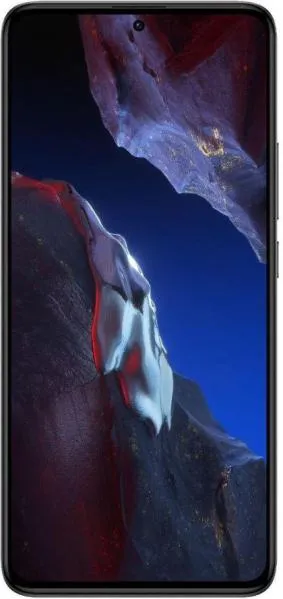
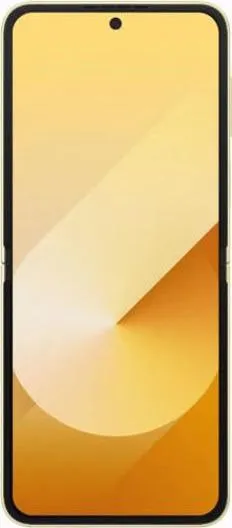
| Feature | Xiaomi Poco F5 Pro | Samsung Galaxy Z Flip6 | Practical Impact |
|---|---|---|---|
| Design | |||
| Dimensions (mm) | 162.8 x 75.4 x 8.6 | 165.1 x 71.9 x 6.9 | Z Flip6 is more compact and pocketable due to its folding design, but slightly taller when unfolded. |
| Weight (g) | 204 | 187 | Z Flip6 is noticeably lighter. |
| Foldable | No | Yes | Z Flip6 offers unique portability and a smaller footprint when folded. |
| Display | |||
| Size (inches) | 6.67 | 6.7 | Nearly identical screen sizes when unfolded. |
| Resolution (px) | 1440 x 3200 | 1080 x 2640 | Poco F5 Pro has a significantly sharper display with higher pixel density, resulting in crisper text and images. |
| Display Type | AMOLED, 120Hz | Foldable Dynamic AMOLED 2X, 120Hz | Both offer smooth scrolling and animations thanks to 120Hz. Poco F5 Pro's higher resolution provides a more detailed visual experience. The Z Flip6's foldable screen introduces a crease but allows for unique functionalities like Flex Mode. |
| Peak Brightness (nits) | 1400 | 2600 (unverified) | Z Flip6 claims significantly higher peak brightness, potentially improving outdoor visibility, but this needs verification. |
| Performance | |||
| Chipset | Snapdragon 8+ Gen 1 | Snapdragon 8 Gen 3 | Z Flip6 features a newer, more powerful processor, likely resulting in faster performance and better efficiency. |
| CPU | Octa-core (1x3.0 GHz Cortex-X2 & 3x2.5 GHz Cortex-A710 & 4x1.80 GHz Cortex-A510) | Octa-core (1x3.39GHz Cortex-X4 & 3x3.1GHz Cortex-A720 & 2x2.9GHz Cortex-A720 & 2x2.2GHz Cortex-A520) | Z Flip6's newer CPU architecture should offer improved performance and power management. |
| GPU | Adreno 730 | Adreno 750 | Z Flip6's GPU should provide better gaming and graphics performance. |
| RAM (GB) | 8/12 | 12 | Z Flip6 offers more RAM in the compared variant, enabling better multitasking and smoother performance. |
| Camera | |||
| Rear Camera | 64MP Main, 8MP Wide, 2MP Macro | 50MP Main, 12MP Wide | Poco F5 Pro boasts a higher resolution main sensor, but real-world image quality depends on sensor and software processing, not just megapixels. Z Flip6 has a more usable ultrawide. Missing sensor details for both limit a thorough comparison. |
| Selfie Camera | 16MP | 10MP | Poco F5 Pro has a higher resolution front-facing camera. |
| Video | Up to 8K@24fps | Up to 4K@60fps | Poco F5 Pro offers 8K video recording, while Z Flip6 is limited to 4K but might offer better stabilization and features. |
| Battery | |||
| Capacity (mAh) | 5160 | 4000 | Poco F5 Pro has a significantly larger battery, likely leading to longer battery life. |
2. Key Differences Analysis
Xiaomi Poco F5 Pro Advantages:
- Sharper Display: Significantly higher resolution.
- Larger Battery: Potentially much longer battery life.
- 8K Video Recording: For users who need the highest resolution video.
- Lower Price: Generally more affordable.
Samsung Galaxy Z Flip6 Advantages:
- Foldable Design: Unique portability and form factor.
- More Powerful Processor & GPU: Better performance and efficiency.
- More RAM: Smoother multitasking.
- Newer Android Version: Access to latest features and security updates.
- Potentially brighter display: Could be a significant advantage outdoors.
3. User Profiles & Recommendations
Xiaomi Poco F5 Pro: Ideal for users prioritizing multimedia consumption, mobile gaming on a budget, and long battery life. Power users who value a sharp display and don't mind a larger phone will appreciate it.
Samsung Galaxy Z Flip6: Best for users who highly value portability and a unique, stylish design. The foldable form factor is a key differentiator. Those who prioritize the latest hardware and software, and are willing to pay a premium for it, will prefer the Z Flip6.
4. Decision Framework
Key Questions for Buyers:
- How important is portability? If pocketability is paramount, the Z Flip6's foldable design is a winner.
- What's your budget? The Poco F5 Pro offers excellent value for its price.
- What are your primary use cases? Multimedia consumption and gaming benefit from the Poco F5 Pro's display and battery; the Z Flip6 excels in style and having the latest technology.
My Choice: Xiaomi Poco F5 Pro
While the Z Flip6 offers a compelling foldable design and newer hardware, the Xiaomi Poco F5 Pro provides a superior overall package for my needs. The significantly sharper display, much larger battery, and lower price are decisive factors. I prioritize screen quality and battery life over raw processing power and the novelty of a foldable design. The price difference allows for investing in accessories or other gadgets. While the Z Flip6 is tempting, the practical benefits of the Poco F5 Pro outweigh the Z Flip6's advantages for my personal use.
