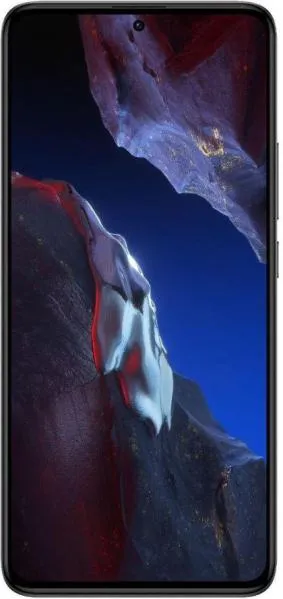

1. Specifications Comparison
| Feature | Xiaomi Poco F5 Pro | Samsung Galaxy Tab S9 FE+ | Practical Impact |
|---|---|---|---|
| Design | |||
| Dimensions (mm) | 162.8 x 75.4 x 8.6 | 285.4 x 185.4 x 6.5 | Poco F5 Pro is a typical smartphone size; Tab S9 FE+ is a large tablet. Portability significantly differs. |
| Weight (g) | 204 | 627 | Poco F5 Pro is much lighter and easier to carry in a pocket. Tab S9 FE+ is better suited for desk/lap use. |
| Display | |||
| Size (inches) | 6.67 | 12.4 | Tab S9 FE+ offers a much larger screen for media consumption and multitasking, but less portable. |
| Resolution | 1440 x 3200 | 2560 x 1600 | Poco F5 Pro has a sharper display (526 ppi vs 243 ppi) despite smaller size. |
| Technology | AMOLED, 120Hz | IPS LCD, 90Hz | Poco F5 Pro provides richer colors, deeper blacks, and smoother scrolling due to AMOLED and higher refresh rate. |
| Performance | |||
| Chipset | Snapdragon 8+ Gen 1 | Exynos 1380 | Snapdragon 8+ Gen 1 offers significantly higher performance for demanding tasks and gaming. |
| CPU | Octa-core (1x3.0 GHz Cortex-X2 & 3x2.5 GHz Cortex-A710 & 4x1.80 GHz Cortex-A510) | Octa-core (4x2.4 GHz Cortex-A78 & 4x2.0 GHz Cortex-A55) | Poco F5 Pro has a more powerful CPU architecture, resulting in faster processing speeds. |
| GPU | Adreno 730 | Mali-G68 MP5 | Adreno 730 provides a superior gaming and graphics experience compared to Mali-G68 MP5. |
| RAM (GB) | 8/12 | 8/12 | Both offer ample RAM for multitasking, though performance will differ due to chipset discrepancies. |
| Camera | |||
| Main Camera (MP) | 64 | 12 | Poco F5 Pro boasts a much higher resolution main camera, likely capturing more detailed photos. |
| Video Recording | Up to 8K@24fps | Up to 4K@30fps | Poco F5 Pro supports higher resolution video recording. |
| Battery | |||
| Capacity (mAh) | 5160 | 10090 | Tab S9 FE+ has a significantly larger battery capacity, expected to provide much longer usage time. |
2. Key Differences Analysis
Xiaomi Poco F5 Pro Advantages:
- Significantly higher performance: The Snapdragon 8+ Gen 1 provides a substantial advantage in processing power, gaming capabilities, and overall speed.
- Superior display: The AMOLED display with a 120Hz refresh rate offers vibrant colors, deeper blacks, and smoother scrolling compared to the Tab S9 FE+'s IPS LCD.
- More portable: Its smaller size and lighter weight make it much easier to carry and use on the go.
- Higher resolution camera: The 64MP main camera is capable of capturing more detailed images than the Tab S9 FE+'s 12MP camera.
- Higher Resolution Video Recording: The ability to record in 8K offers more flexibility and detail compared to 4K.
Samsung Galaxy Tab S9 FE+ Advantages:
- Much larger display: The 12.4-inch screen provides a more immersive experience for media consumption, multitasking, and creative tasks.
- Significantly longer battery life: The massive 10090 mAh battery will likely last much longer on a single charge.
- OS upgrade path: Guaranteed updates to Android 17 offer longer software support and security.
3. User Profiles & Recommendations
Xiaomi Poco F5 Pro: Ideal for users who prioritize performance, a high-quality display, portability, and a good camera. Suitable for gaming, photography, and general smartphone use.
Samsung Galaxy Tab S9 FE+: Best suited for users who need a large screen for productivity, media consumption, drawing, note-taking, and other tablet-centric tasks. Battery life is a major strength.
4. Decision Framework
Key Questions for Buyers:
- What is your primary use case? (Gaming, productivity, media consumption, communication)
- How important is portability? (Pocket-sized vs. bag/backpack)
- What is your budget? (Consider the price difference between the two devices.)
Scenario-Based Recommendations:
- Heavy gamer: Xiaomi Poco F5 Pro
- Student needing a device for note-taking and media consumption: Samsung Galaxy Tab S9 FE+
- Professional needing a portable device for email, web browsing, and occasional gaming: Xiaomi Poco F5 Pro
My Choice: Xiaomi Poco F5 Pro
While the Samsung Galaxy Tab S9 FE+ excels in battery life and screen size, I would choose the Xiaomi Poco F5 Pro. My priorities are performance, portability, and a good camera. The Poco F5 Pro's powerful Snapdragon 8+ Gen 1, vibrant AMOLED display, and compact form factor make it a more compelling device for my needs. I frequently use my phone for gaming, photography, and general tasks on the go, where the Poco F5 Pro's strengths would be most beneficial. While the Tab S9 FE+'s larger screen is appealing for media consumption, I find a tablet's lack of portability to be a significant drawback for everyday use. The superior performance and display of the Poco F5 Pro outweigh the Tab S9 FE+'s advantages in battery life and screen real estate for my personal preferences.
