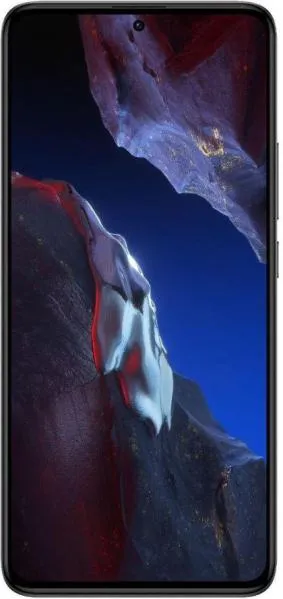
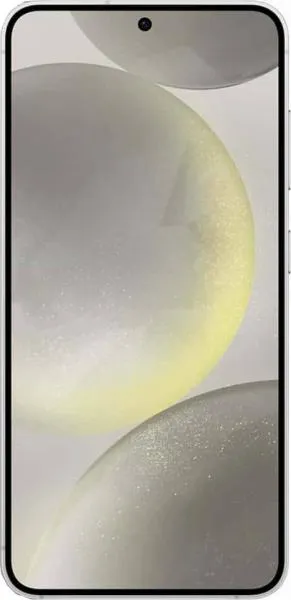
1. Specifications Comparison
| Feature | Xiaomi Poco F5 Pro | Samsung Galaxy S24 | Practical Impact |
|---|---|---|---|
| Design | |||
| Dimensions (mm) | 162.8 x 75.4 x 8.6 | 147 x 70.6 x 7.6 | S24 is significantly smaller and more pocketable. |
| Weight (g) | 204 | 167 | S24 is noticeably lighter, reducing hand fatigue. |
| Build | Unspecified | Unspecified | Build quality impact cannot be assessed without material information. |
| Display | |||
| Size (inches) | 6.67 | 6.2 | F5 Pro offers a larger screen for more immersive media consumption. |
| Resolution | 1440 x 3200 | 1080 x 2340 | F5 Pro has a sharper display (526 ppi vs 416 ppi), resulting in clearer text and images. |
| Type | AMOLED, 120Hz | Dynamic LTPO AMOLED 2X, 120Hz | Both offer smooth scrolling and animations; LTPO on S24 might offer better power efficiency. |
| Peak Brightness | 1400 nits | 2600 nits | S24's significantly higher brightness ensures better visibility outdoors. |
| Performance | |||
| Chipset | Snapdragon 8+ Gen 1 | Snapdragon 8 Gen 3 | S24 boasts a newer generation chipset, likely leading to faster performance and better efficiency. |
| CPU | Octa-core (1x3.0 GHz Cortex-X2 & 3x2.5 GHz Cortex-A710 & 4x1.80 GHz Cortex-A510) | Octa-core (1x3.39GHz Cortex-X4 & 3x3.1GHz Cortex-A720 & 2x2.9GHz Cortex-A720 & 2x2.2GHz Cortex-A520) | S24's newer CPU architecture should provide a performance boost in demanding tasks. |
| GPU | Adreno 730 | Adreno 750 | S24's more powerful GPU should deliver smoother gaming and graphics performance. |
| RAM | 8GB/12GB | 8GB/12GB | Both offer ample RAM for multitasking. 12GB option on F5 Pro provides headroom for future-proofing. |
| Camera | |||
| Main Camera | 64MP, f/1.79 | 50MP, f/1.8 | Megapixel count doesn't tell the whole story; image quality depends on sensor size, processing, and other factors. |
| Ultrawide | 8MP, f/2.2 | 12.2MP, f/2.2 | S24's ultrawide likely captures more detail and offers wider field of view. |
| Telephoto | 2MP Macro | 10MP, f/2.4, 3x Optical Zoom | S24 offers a dedicated telephoto lens for optical zoom, a significant advantage over F5 Pro's macro lens. |
| Battery | |||
| Capacity | 5160 mAh | 4000 mAh | F5 Pro has a significantly larger battery, potentially translating to longer battery life. |
| Charging Speed | Unspecified | Unspecified | Charging speed comparison requires specific charging wattage information. |
2. Key Differences Analysis
Xiaomi Poco F5 Pro Advantages:
- Larger Display: More immersive experience for media consumption.
- Sharper Display: Clearer text and images.
- Larger Battery: Potentially longer battery life.
- Higher RAM option: Better future-proofing for demanding tasks.
Samsung Galaxy S24 Advantages:
- Smaller and Lighter: More comfortable for one-handed use and portability.
- Newer Chipset and CPU: Superior performance and efficiency.
- Brighter Display: Excellent outdoor visibility.
- Dedicated Telephoto Lens: Optical zoom capability for versatile photography.
- USB 3.2 with DisplayPort: Faster data transfer and potential for desktop mode.
3. User Profiles & Recommendations
Xiaomi Poco F5 Pro: Ideal for users prioritizing media consumption, gaming on a larger screen, and long battery life. Good value for its price.
Samsung Galaxy S24: Suitable for users who value a compact and powerful phone with a bright display, excellent camera versatility (including optical zoom), and the latest technology.
4. Decision Framework
Key Questions for Buyers:
- What screen size do you prefer? Larger for media or smaller for one-handed use?
- Is camera versatility with optical zoom important?
- How much do you prioritize the latest performance and features over battery life?
Scenario-Based Recommendations:
- Heavy Media Consumer: Poco F5 Pro
- Photographer/Videographer: Samsung Galaxy S24
- Power User needing latest technology: Samsung Galaxy S24
- Budget-conscious user prioritizing battery life: Poco F5 Pro
My Choice: Samsung Galaxy S24
While the Poco F5 Pro offers a compelling package with its larger display and battery, the Samsung Galaxy S24 is the phone I would choose. The newer and more powerful Snapdragon 8 Gen 3 chip, coupled with the dedicated telephoto lens and brighter display, outweighs the benefits of the F5 Pro for me. The S24's compact form factor is also more appealing for daily use. Although the battery is smaller, the 8 Gen 3's efficiency improvements might mitigate this difference in real-world usage. The inclusion of USB 3.2 with DisplayPort offers future-proofing and expands connectivity options. Ultimately, the S24 provides a more well-rounded and future-proof package, justifying the potential price difference.
