1. Specifications Comparison
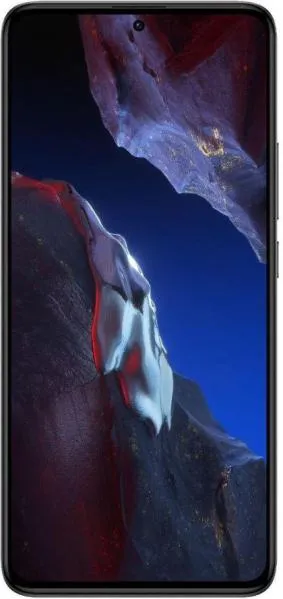
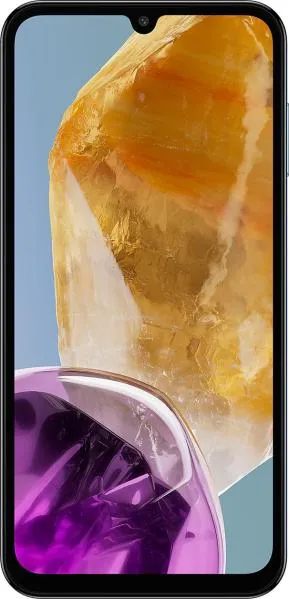
| Feature | Xiaomi Poco F5 Pro | Samsung Galaxy M15 | Practical Impact |
|---|---|---|---|
| Design | |||
| Dimensions (mm) | 162.8 x 75.4 x 8.6 | 160.1 x 76.8 x 9.3 | Poco F5 Pro is slightly thinner and shorter. Negligible difference in daily usage. |
| Weight (g) | 204 | 217 | Poco F5 Pro is slightly lighter, but the difference is minimal. |
| Build Materials | Not specified | Not specified | Cannot compare build quality and durability without more information. |
| Display | |||
| Size (inches) | 6.67 | 6.5 | Poco F5 Pro offers a slightly larger screen for more immersive content consumption. |
| Resolution | 1440 x 3200 | 1080 x 2340 | Significantly sharper and more detailed visuals on the Poco F5 Pro due to higher resolution (QHD+ vs. FHD+). Impacts clarity in text, images, and videos. |
| Refresh Rate (Hz) | 120 | 90 | Smoother animations and scrolling on the Poco F5 Pro. Noticeable in gaming and everyday use. |
| Display Type | AMOLED, Dolby Vision, HDR10+ | Super AMOLED | Both offer vibrant colors and deep blacks. Poco F5 Pro supports Dolby Vision and HDR10+ for enhanced dynamic range in compatible content. |
| Peak Brightness (nits) | 1400 | 800 | Poco F5 Pro will be significantly more readable in direct sunlight. |
| Performance | |||
| Chipset | Snapdragon 8+ Gen 1 | Dimensity 6100+ | Poco F5 Pro boasts a significantly more powerful processor, leading to faster app loading, smoother multitasking, and better gaming performance. |
| CPU | Octa-core (1x3.0 GHz Cortex-X2 & 3x2.5 GHz Cortex-A710 & 4x1.80 GHz Cortex-A510) | Octa-core (2x2.2 GHz Cortex-A76 & 6x2.0 GHz Cortex-A55) | Superior CPU performance on the Poco F5 Pro, especially in demanding tasks. |
| GPU | Adreno 730 | Mali-G57 MC2 | Adreno 730 offers significantly better graphics performance for demanding games and applications. |
| RAM | 8/12 GB | 4/6GB | More RAM in Poco F5 Pro enables better multitasking and prevents apps from closing in the background. |
| Camera | |||
| Main Camera (MP) | 64 | 50 | Higher resolution on the Poco F5 Pro, potentially capturing more detail. However, image quality depends on various factors beyond resolution. |
| Video Recording | Up to 8K@24fps | Up to 1080p@30fps | Poco F5 Pro offers significantly higher video resolution and frame rates, resulting in much more detailed and smoother videos. |
| Battery | |||
| Capacity (mAh) | 5160 | 6000 | Larger battery capacity in the Galaxy M15 suggests longer battery life. However, real-world usage depends on various factors including display resolution and processor efficiency. |
2. Key Differences Analysis
Xiaomi Poco F5 Pro Advantages:
- Significantly superior performance: Snapdragon 8+ Gen 1 offers a major advantage in speed and graphics capabilities.
- Sharper and smoother display: Higher resolution and 120Hz refresh rate provide a much more premium visual experience.
- Higher quality video recording: Up to 8K recording capabilities.
- Brighter Display: Much more visible in direct sunlight.
Samsung Galaxy M15 Advantages:
- Larger battery capacity: Potentially longer battery life, though real-world performance depends on usage patterns.
- Lower price: Offers a more budget-friendly option.
3. User Profiles & Recommendations
Xiaomi Poco F5 Pro: Ideal for users who prioritize performance, a premium display, and high-quality media consumption and creation. Suitable for demanding tasks like gaming, video editing, and multitasking.
Samsung Galaxy M15: Suitable for budget-conscious users who prioritize basic smartphone functionality, long battery life, and casual usage. Good for web browsing, social media, and light gaming.
4. Decision Framework
Key Questions for Buyers:
- What is your budget? The Poco F5 Pro is significantly more expensive.
- What are your primary use cases? For demanding tasks, the Poco F5 Pro's performance is crucial. For basic usage, the Galaxy M15 may suffice.
- How important is display quality and smoothness? The Poco F5 Pro excels in this area.
My Choice: Xiaomi Poco F5 Pro
While the Samsung Galaxy M15 offers a larger battery and lower price, the Xiaomi Poco F5 Pro is the clear winner for me. The significantly superior performance, vastly improved display, and higher quality video recording capabilities outweigh the benefits of the M15. I prioritize a smooth and responsive user experience, especially for tasks like gaming and multitasking, and the Poco F5 Pro delivers on that front. While battery life is important, I'm willing to compromise slightly for the significant performance gains and premium display experience. The price difference is justified by the superior overall package offered by the Poco F5 Pro. The brighter display is also a major factor for me as I often use my phone outdoors.
