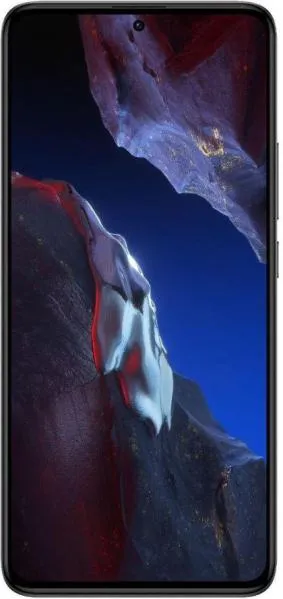
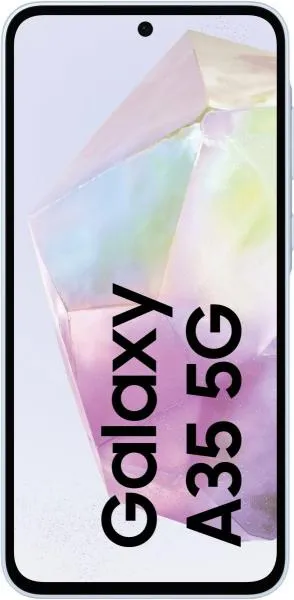
1. Specifications Comparison
| Feature | Xiaomi Poco F5 Pro | Samsung Galaxy A35 | Practical Impact |
|---|---|---|---|
| Design | |||
| Dimensions (mm) | 162.8 x 75.4 x 8.6 | 161.7 x 78 x 8.2 | Poco F5 Pro is slightly taller and narrower, Galaxy A35 a bit wider and thinner. Negligible difference in everyday use. |
| Weight (g) | 204 | 209 | Virtually identical weight; no noticeable difference in hand. |
| Display | |||
| Size (inches) | 6.67 | 6.6 | Negligible size difference. |
| Resolution (px) | 1440 x 3200 | 1080 x 2340 | Poco F5 Pro has a significantly sharper display (WQHD+ vs. FHD+), resulting in crisper text and images, especially noticeable for media consumption and detail-oriented tasks. |
| Display Type | AMOLED, 120Hz | AMOLED, 120Hz | Both offer vibrant colors and smooth scrolling thanks to AMOLED and 120Hz refresh rate. Poco F5 Pro supports Dolby Vision and HDR10+ for superior dynamic range in compatible content. |
| Peak Brightness (nits) | 1400 | 1000 | Poco F5 Pro can get brighter, improving outdoor visibility. |
| Performance | |||
| Chipset | Snapdragon 8+ Gen 1 | Exynos 1380 | Poco F5 Pro's Snapdragon 8+ Gen 1 offers significantly better CPU and GPU performance, leading to smoother multitasking, faster app loading, and better gaming performance. |
| CPU | Octa-core (1x3.0 GHz Cortex-X2 & 3x2.5 GHz Cortex-A710 & 4x1.80 GHz Cortex-A510) | Octa-core (4x2.4 GHz Cortex-A78 & 4x2.0 GHz Cortex-A55) | Poco F5 Pro has a more powerful CPU architecture, translating to superior performance in demanding tasks. |
| RAM | 8/12GB | 6/8GB | Poco F5 Pro offers more RAM options, enabling better multitasking and smoother performance with memory-intensive applications. |
| Camera | |||
| Main Camera (MP) | 64 | 50 | Both offer high-resolution sensors. Practical image quality differences would depend on sensor and image processing, requiring real-world camera comparisons. |
| Video Recording | Up to 8K@24fps | Up to 4K@30fps | Poco F5 Pro offers higher resolution video recording (8K vs. 4K). |
| Battery | |||
| Capacity (mAh) | 5160 | 5000 | Poco F5 Pro has a slightly larger battery, potentially offering slightly longer battery life. Real-world usage will vary. |
2. Key Differences Analysis
Xiaomi Poco F5 Pro Advantages:
- Significantly higher performance: The Snapdragon 8+ Gen 1 offers a substantial performance advantage for demanding tasks and gaming.
- Sharper display: WQHD+ resolution provides a noticeably crisper visual experience.
- Higher resolution video recording: 8K recording capability.
- Brighter display: Better visibility in sunlight.
Samsung Galaxy A35 Advantages:
- Lower price: Generally more affordable.
- More recent Android Version: Ships with a newer Android version (14 vs. 13) and longer software support commitment (until Android 18).
- Lighter and More Compact: Slightly lighter and smaller for easier one-handed use.
3. User Profiles & Recommendations
Xiaomi Poco F5 Pro: Ideal for power users, gamers, and those who prioritize performance and a high-quality display. Excellent for demanding tasks, media consumption, and content creation.
Samsung Galaxy A35: Suitable for budget-conscious users who prioritize affordability and longer software updates over peak performance. Good for everyday tasks, social media, and casual gaming.
4. Decision Framework
Key Questions for Buyers:
- What is your budget? The Poco F5 Pro is more expensive.
- What are your primary use cases? Demanding tasks and gaming benefit from the Poco F5 Pro's superior performance.
- How important is software support longevity? The Galaxy A35 has a longer software update commitment.
My Choice: Xiaomi Poco F5 Pro
While the Samsung Galaxy A35 offers a compelling price and longer software updates, the Xiaomi Poco F5 Pro's significant performance advantage, sharper display, and brighter screen are more important to me. I prioritize a smooth and enjoyable user experience for demanding tasks, media consumption, and occasional gaming. The difference in price is justified by the superior hardware and overall user experience offered by the Poco F5 Pro. While software support is important, the performance difference will be noticeable daily for the lifespan of the phone.
