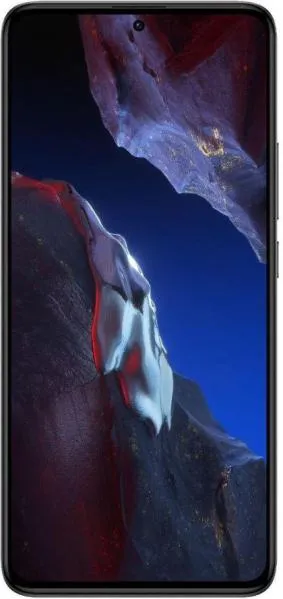

1. Specifications Comparison
| Feature | Xiaomi Poco F5 Pro | Samsung Galaxy A25 | Practical Impact |
|---|---|---|---|
| Design | |||
| Dimensions (mm) | 162.8 x 75.4 x 8.6 | 161 x 76.5 x 8.3 | Poco F5 Pro slightly taller and narrower. Negligible difference in daily use. |
| Weight (g) | 204 | 197 | Poco F5 Pro slightly heavier, but the difference is minimal. |
| Fingerprint Sensor | Under display | Side-mounted | Preference-based. Under-display feels more modern, side-mounted can be faster to access. |
| Display | |||
| Size (inches) | 6.67 | 6.5 | Poco F5 Pro offers a slightly larger screen for more immersive content consumption. |
| Resolution | 1440 x 3200 | 1080 x 2340 | Significantly sharper and more detailed visuals on the Poco F5 Pro due to higher pixel density (526 ppi vs 396 ppi). |
| Display Type | AMOLED, 120Hz, Dolby Vision, HDR10+ | AMOLED, 120Hz | Both offer smooth scrolling and vibrant colors. Poco F5 Pro supports HDR10+ and Dolby Vision for superior dynamic range and color accuracy in compatible content. |
| Peak Brightness | 1400 nits | 1000 nits | Poco F5 Pro will be significantly more visible in direct sunlight. |
| Performance | |||
| Chipset | Snapdragon 8+ Gen 1 (4nm) | Exynos 1280 (5nm) | Snapdragon 8+ Gen 1 is considerably more powerful, resulting in significantly faster performance, smoother multitasking, and better gaming capabilities. |
| CPU | Octa-core (1x3.0 GHz Cortex-X2 & 3x2.5 GHz Cortex-A710 & 4x1.80 GHz Cortex-A510) | Octa-core (2x2.4 GHz Cortex-A78 & 6x2.0 GHz Cortex-A55) | Poco F5 Pro's CPU architecture offers superior performance, especially in demanding tasks. |
| GPU | Adreno 730 | Mali-G68 | Adreno 730 provides a significant advantage in graphics performance for gaming and graphically intensive applications. |
| RAM | 8GB/12GB | 6GB/8GB | More RAM in the Poco F5 Pro enables better multitasking and smoother performance with multiple apps open. |
| Camera | |||
| Main Camera | 64MP, f/1.79 | 50MP, f/1.8 | While megapixels aren't everything, the Poco F5 Pro boasts a larger sensor (1/2") compared to the A25, potentially capturing more light and detail. Practical image quality differences would need real-world comparison. |
| Video Recording | Up to 8K@24fps | Up to 4K@30fps | Poco F5 Pro offers higher resolution video recording. |
| Battery | |||
| Capacity | 5160 mAh | 5000 mAh | Slightly larger battery in the Poco F5 Pro potentially offering longer battery life. Real-world usage will vary. |
2. Key Differences Analysis
Xiaomi Poco F5 Pro Advantages:
- Significantly more powerful: The Snapdragon 8+ Gen 1 provides a substantial performance advantage for demanding tasks, gaming, and multitasking.
- Sharper and brighter display: Higher resolution and peak brightness lead to a superior visual experience.
- HDR10+ and Dolby Vision support: Enables better dynamic range and color accuracy in compatible content.
- Higher resolution video recording: Up to 8K recording capabilities.
Samsung Galaxy A25 Advantages:
- Lower price: Offers a more budget-friendly option.
- More color options: Provides greater aesthetic choice.
- Lighter weight: Might be preferred by users who prioritize a lighter phone.
3. User Profiles & Recommendations
Xiaomi Poco F5 Pro: Ideal for power users, gamers, and those who prioritize performance, a high-quality display, and the latest features.
Samsung Galaxy A25: Suitable for budget-conscious users, casual users, and those who prioritize affordability over top-tier performance.
4. Decision Framework
Key Questions for Buyers:
- What is your budget? The Poco F5 Pro is significantly more expensive.
- What is your primary use case? For demanding tasks and gaming, the Poco F5 Pro is a clear winner. For casual use, the A25 might suffice.
- Which features are most important to you? Prioritize display quality, performance, and camera capabilities? Choose the Poco F5 Pro. Prioritize affordability and battery life? Consider the A25.
My Choice: Xiaomi Poco F5 Pro
While the Samsung Galaxy A25 offers a good value proposition for its price, the Xiaomi Poco F5 Pro is the superior device overall. The significant difference in processing power, the much better display (resolution, brightness, HDR support), and the more capable camera system justify the higher price for me. I value a smooth and responsive user experience, especially for gaming and multitasking, making the Poco F5 Pro the clear choice. The slightly larger battery is a welcome bonus. The A25 is a solid budget option, but the Poco F5 Pro offers a noticeable leap in quality and performance.
