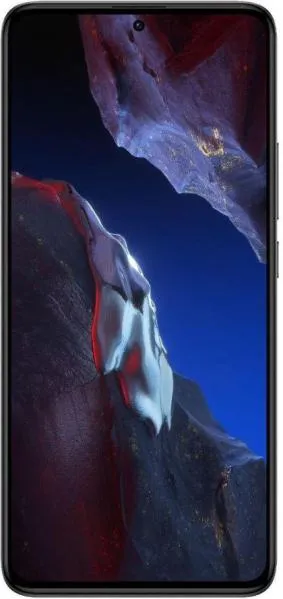

1. Specifications Comparison
| Feature | Xiaomi Poco F5 Pro | Samsung Galaxy A15 5G | Practical Impact |
|---|---|---|---|
| Design | |||
| Dimensions (mm) | 162.8 x 75.4 x 8.6 | 160.1 x 76.8 x 8.4 | Poco F5 Pro is slightly taller and narrower. Negligible difference in daily use. |
| Weight (g) | 204 | 200 | Virtually identical weight. |
| Build | Missing | Missing | Cannot compare build quality and materials. |
| Display | |||
| Display Type | AMOLED | Super AMOLED | Both offer vibrant colors and deep blacks. |
| Display Size (inches) | 6.67 | 6.5 | Poco F5 Pro offers a slightly larger screen for more immersive media consumption. |
| Resolution | 1440 x 3200 | 1080 x 2340 | Significantly sharper and more detailed visuals on the Poco F5 Pro. Noticeable difference in clarity for text, images, and videos. |
| Refresh Rate (Hz) | 120 | 90 | Smoother animations and scrolling on the Poco F5 Pro, especially noticeable in gaming and fast-paced UI interactions. |
| Peak Brightness (nits) | 1400 | 800 | Poco F5 Pro will be significantly more visible in direct sunlight. |
| Performance | |||
| Chipset | Snapdragon 8+ Gen 1 | Dimensity 6100+ | Poco F5 Pro boasts a flagship-level processor, resulting in significantly faster performance in demanding tasks like gaming, video editing, and multitasking. |
| CPU | Octa-core (1x3.0 GHz Cortex-X2 & 3x2.5 GHz Cortex-A710 & 4x1.80 GHz Cortex-A510) | Octa-core (2x2.2 GHz Cortex-A76 & 6x2.0 GHz Cortex-A55) | Superior CPU performance on the Poco F5 Pro, translating to faster app loading, smoother multitasking, and better responsiveness. |
| GPU | Adreno 730 | Mali-G57 MC2 | Much more powerful GPU in the Poco F5 Pro, enabling higher frame rates and better graphics in games. |
| RAM (GB) | 8/12 | 4/6/8 | More RAM options and higher maximum RAM on the Poco F5 Pro, contributing to better multitasking and preventing app closures in the background. |
| Camera | |||
| Main Camera (MP) | 64 | 50 | Higher resolution on the Poco F5 Pro, potentially capturing more detail. Image quality depends on sensor and processing, which cannot be fully compared with the given data. |
| Video Recording | Up to 8K@24fps | Up to 1080p@30fps | Poco F5 Pro offers significantly higher video resolution and frame rate options. |
| Battery | |||
| Capacity (mAh) | 5160 | 5000 | Slightly larger battery in the Poco F5 Pro, potentially leading to longer battery life. Real-world battery life depends on usage patterns and optimization. |
2. Key Differences Analysis
Xiaomi Poco F5 Pro Advantages:
- Significantly higher performance: The Snapdragon 8+ Gen 1 offers a substantial performance advantage over the Dimensity 6100+, making the Poco F5 Pro ideal for demanding tasks and gaming.
- Superior display: Higher resolution, refresh rate, and peak brightness deliver a noticeably better visual experience.
- More versatile camera: Higher resolution sensor and 8K video recording capability provide more flexibility for content creation.
Samsung Galaxy A15 5G Advantages:
- Lower price: Offers a more budget-friendly option.
- Longer software support (Potentially): Samsung generally provides longer software updates than Xiaomi for its mid-range devices. The A15 5G launches with Android 14 and is promised updates to Android 17, compared to the Poco F5 Pro's Android 13.
3. User Profiles & Recommendations
Xiaomi Poco F5 Pro: Users who prioritize performance, a high-quality display, and versatile camera capabilities, such as mobile gamers, content creators, and power users.
Samsung Galaxy A15 5G: Budget-conscious users who prioritize value and long-term software updates over top-tier performance. Suitable for everyday tasks like browsing, social media, and casual photography.
4. Decision Framework
Key Questions for Buyers:
- What is your budget? The Poco F5 Pro is significantly more expensive.
- What are your primary use cases? Demanding tasks and gaming benefit from the Poco F5 Pro's performance, while basic tasks can be easily handled by the A15 5G.
- How important is software support? The A15 5G is likely to receive longer software updates.
My Choice: Xiaomi Poco F5 Pro
While the Samsung Galaxy A15 5G offers excellent value for its price, the Xiaomi Poco F5 Pro is the clear winner for me. The significant difference in performance, the superior display quality, and the more versatile camera make it a much more compelling device. I prioritize a smooth and responsive user experience, especially for gaming and media consumption, and the Poco F5 Pro delivers that in spades. The higher price is justified by the substantial upgrade in features and capabilities. While longer software support is a consideration, the performance and feature advantages of the Poco F5 Pro outweigh that for my personal needs.
