1. Specifications Comparison
| Feature | Xiaomi Poco F5 Pro | Samsung Galaxy A05s | Practical Impact |
|---|---|---|---|
| Design | |||
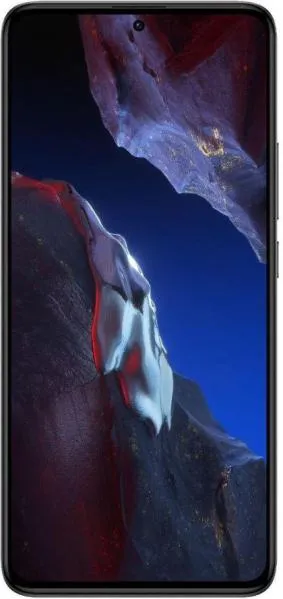
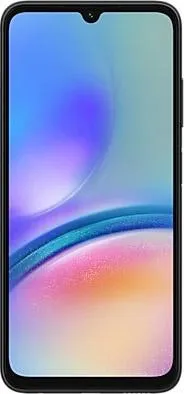
| Dimensions (mm) | 162.8 x 75.4 x 8.6 | 168 x 77.8 x 8.8 | Poco F5 Pro is slightly smaller and thinner. |
| Weight (g) | 204 | 194 | Negligible weight difference in real-world usage. |
| Build | No information provided | No information provided | Cannot compare build quality and materials. |
| Display | |||
| Display Type | 6.67" AMOLED, 120Hz | 6.7" PLS LCD, 90Hz | Poco F5 Pro offers significantly better contrast, colors, and smoother animations due to AMOLED technology and higher refresh rate. |
| Resolution | 1440 x 3200 | 1080 x 2400 | Much sharper and more detailed visuals on the Poco F5 Pro. Noticeable difference in clarity for text, images, and videos. |
| Brightness | Up to 1400 nits | Not specified | Poco F5 Pro's high peak brightness ensures excellent outdoor visibility. Impact of A05s' unknown brightness is unclear. |
| Performance | |||
| Chipset | Snapdragon 8+ Gen 1 | Snapdragon 680 4G | Poco F5 Pro boasts vastly superior processing power, enabling significantly smoother multitasking, faster app loading, and high-end gaming. |
| CPU | Octa-core (1x3.0 GHz Cortex-X2 & 3x2.5 GHz Cortex-A710 & 4x1.80 GHz Cortex-A510) | Octa-core (4x2.4 GHz Kryo 265 Gold & 4x1.9 GHz Kryo 265 Silver) | The Poco F5 Pro's CPU architecture and clock speeds offer major performance advantage in demanding tasks. |
| GPU | Adreno 730 | Adreno 610 | Poco F5 Pro's GPU provides a significantly better gaming and graphics rendering experience. |
| RAM | 8GB/12GB | 4GB/6GB | More RAM in the Poco F5 Pro enables smoother multitasking and better performance with multiple apps open. |
| Camera | |||
| Main Camera | 64MP, f/1.79 | 50MP, f/1.8 | Poco F5 Pro likely has an edge in low-light performance due to potentially larger sensor size (information incomplete for A05s). Resolution difference is less impactful than sensor and aperture. |
| Video Recording | Up to 8K@24fps | Up to 1080p@60fps | Poco F5 Pro offers significantly higher resolution video recording capabilities. |
| Battery | |||
| Capacity | 5160 mAh | 5000 mAh | Similar battery capacities, though real-world battery life depends on optimization and usage. |
2. Key Differences Analysis
Xiaomi Poco F5 Pro Advantages:
- Significantly more powerful: The Snapdragon 8+ Gen 1 offers a substantial performance leap over the Snapdragon 680, resulting in a smoother, faster, and more responsive user experience.
- Superior display: The AMOLED display with a 120Hz refresh rate provides vibrant colors, deep blacks, and smoother scrolling compared to the A05s' LCD. Higher resolution also contributes to sharper visuals.
- Higher-end camera features: 8K video recording and potentially better low-light performance due to a larger sensor.
Samsung Galaxy A05s Advantages:
- Potentially Lower Price: Based on provided data, the A05s is likely more affordable.
3. User Profiles & Recommendations
Xiaomi Poco F5 Pro: Ideal for users who demand high performance for gaming, demanding applications, and multimedia consumption. Also suitable for those who prioritize a premium display and advanced camera features.
Samsung Galaxy A05s: Suitable for budget-conscious users who prioritize basic smartphone functionality - calling, texting, social media, and light web browsing. Not recommended for demanding tasks or heavy multimedia use.
4. Decision Framework
Key Questions for Buyers:
- What is your budget? The Poco F5 Pro is a more expensive device.
- What is your primary smartphone usage? For demanding tasks, the Poco F5 Pro is necessary. For basic use, the A05s might suffice.
- How important is display quality and performance? The Poco F5 Pro offers a vastly superior experience in these areas.
My Choice: Xiaomi Poco F5 Pro
The Xiaomi Poco F5 Pro is the clear winner for me. While more expensive, the substantial performance difference, superior display, and advanced features justify the higher cost. I value a smooth and responsive user experience, especially for gaming and multitasking, which the Poco F5 Pro delivers. The brilliant AMOLED display and high refresh rate further enhance the overall experience. While the Samsung Galaxy A05s offers a more budget-friendly option, the compromises in performance and display are too significant for my personal preferences. The A05s might be a reasonable choice for extremely budget-conscious users with basic needs, but the Poco F5 Pro offers a far more compelling overall package.
