1. Specifications Comparison
| Feature | Xiaomi Poco F5 Pro | Samsung Galaxy A05 | Practical Impact |
|---|---|---|---|
| Design | |||
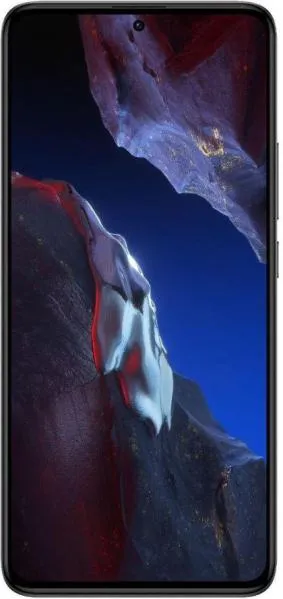
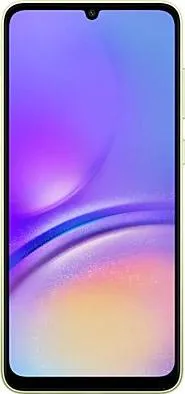
| Dimensions (mm) | 162.8 x 75.4 x 8.6 | 168.8 x 78.2 x 8.8 | Poco F5 Pro is slightly smaller and thinner. |
| Weight (g) | 204 | 195 | Negligible weight difference in practical use. |
| Build | Material information missing for both, impacting durability and premium feel assessment. | ||
| Display | |||
| Display Type | 6.67" AMOLED, 120Hz | 6.7" PLS LCD | Poco F5 Pro offers significantly better contrast, colors, and smoother scrolling with its AMOLED display and 120Hz refresh rate. |
| Resolution | 1440 x 3200 (WQHD+) | 720 x 1600 (HD+) | Much sharper and more detailed visuals on the Poco F5 Pro. A05's display will appear pixelated in comparison. |
| Brightness | Up to 1400 nits | Unspecified | Poco F5 Pro's high brightness ensures excellent outdoor visibility. Missing A05 brightness data hinders comparison. |
| Performance | |||
| Chipset | Snapdragon 8+ Gen 1 (4nm) | MediaTek Helio G85 (12nm) | Poco F5 Pro boasts a flagship-level processor, resulting in significantly faster performance, smoother multitasking, and better gaming capabilities. |
| CPU | Octa-core (3.0 GHz Cortex-X2...) | Octa-core (2.0 GHz Cortex-A75...) | Poco F5 Pro's CPU offers superior performance in demanding tasks and applications. |
| GPU | Adreno 730 | Mali-G52 MC2 | Considerably better graphics performance on the Poco F5 Pro, enabling higher frame rates and smoother gameplay in demanding games. |
| RAM | 8GB/12GB | 4GB/6GB | More RAM in the Poco F5 Pro allows for smoother multitasking and better performance with memory-intensive applications. |
| Camera | |||
| Main Camera | 64MP, f/1.79, OIS | 50MP, f/1.8 | Poco F5 Pro likely offers better low-light performance and image stabilization due to OIS. Sensor size information missing for A05, making detailed comparison difficult. |
| Video Recording | Up to 8K@24fps | Up to 1080p@60fps | Poco F5 Pro supports much higher resolution video recording. |
| Battery | |||
| Capacity | 5160 mAh | 5000 mAh | Similar battery capacities, though real-world battery life depends on optimization and usage patterns. |
2. Key Differences Analysis
Xiaomi Poco F5 Pro Advantages:
- Significantly superior performance: The Snapdragon 8+ Gen 1 provides a massive performance advantage for demanding tasks, gaming, and multitasking.
- Much better display: Higher resolution, AMOLED technology, 120Hz refresh rate deliver a vastly improved visual experience.
- Superior camera capabilities: Higher resolution main sensor, optical image stabilization (OIS), and 8K video recording capabilities.
Samsung Galaxy A05 Advantages:
- Lower price: Positioned in the low price range, making it a more budget-friendly option.
3. User Profiles & Recommendations
Xiaomi Poco F5 Pro: Ideal for users who prioritize performance, a high-quality display, and advanced camera features. Suitable for power users, gamers, and content creators.
Samsung Galaxy A05: Best suited for budget-conscious users who prioritize basic functionality for everyday tasks like calling, texting, and web browsing. Good for light users or as a secondary device.
4. Decision Framework
Key Questions for Buyers:
- What is your budget? The Poco F5 Pro is significantly more expensive.
- What are your performance requirements? For demanding tasks and gaming, the Poco F5 Pro is a must.
- How important is display quality? The Poco F5 Pro's AMOLED display is a major differentiator.
My Choice: Xiaomi Poco F5 Pro
While the Samsung Galaxy A05 offers an attractive price point, the Xiaomi Poco F5 Pro is the clear winner for me. The superior performance, stunning display, and advanced camera features are crucial for my usage. I prioritize a smooth and responsive user experience, especially for multitasking and gaming, and the Poco F5 Pro delivers on this front. The price difference is justified by the significant jump in quality and capabilities. While I acknowledge the A05's value for budget-conscious users, the Poco F5 Pro's advantages align better with my needs and preferences.
