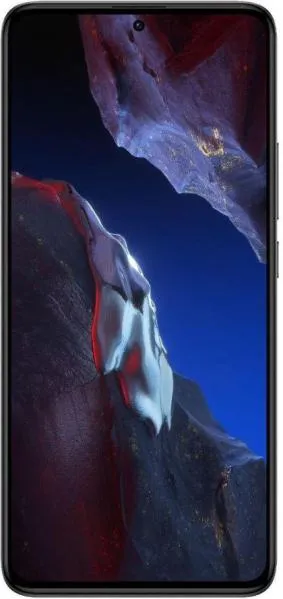

1. Specifications Comparison
| Feature | Xiaomi Poco F5 Pro | Realme C51 | Practical Impact |
|---|---|---|---|
| Design | |||
| Dimensions (mm) | 162.8 x 75.4 x 8.6 | 167.2 x 76.7 x 8.0 | Poco F5 Pro is slightly smaller and thinner. |
| Weight (g) | 204 | 186 | Realme C51 is noticeably lighter. |
| Build | Not specified | Not specified | Build quality and materials cannot be compared. |
| Display | |||
| Display Type | AMOLED | IPS LCD | Poco F5 Pro offers significantly better contrast, deeper blacks, and wider viewing angles. |
| Display Size (inches) | 6.67 | 6.74 | Realme C51 has a marginally larger screen. |
| Resolution | 1440 x 3200 | 720 x 1600 | Poco F5 Pro has a much sharper display with significantly higher pixel density (526 ppi vs 260 ppi), resulting in crisper text and images. |
| Refresh Rate (Hz) | 120 | 90 | Poco F5 Pro provides smoother scrolling and animations. |
| HDR | Dolby Vision, HDR10+ | None | Poco F5 Pro supports HDR, offering a wider dynamic range and more vibrant colors in compatible content. |
| Performance | |||
| Chipset | Snapdragon 8+ Gen 1 | Unisoc Tiger T612 | Poco F5 Pro offers vastly superior processing power, enabling significantly faster performance in demanding tasks and gaming. |
| CPU | Octa-core (1x3.0 GHz Cortex-X2 & 3x2.5 GHz Cortex-A710 & 4x1.80 GHz Cortex-A510) | Octa-core (2x1.8 GHz Cortex-A75 & 6x1.8 GHz Cortex-A55) | Poco F5 Pro has a more powerful and efficient CPU architecture. |
| GPU | Adreno 730 | Mali-G57 | Poco F5 Pro boasts a significantly more powerful GPU, delivering much better gaming performance and graphics rendering. |
| RAM | 8/12GB | 4/6GB | Poco F5 Pro offers more RAM, enabling better multitasking and smoother performance. |
| Camera | |||
| Main Camera (MP) | 64 | 50 | While megapixels aren't everything, the Poco F5 Pro's main camera likely offers better detail and low-light performance due to its larger sensor (1/2" vs 1/2.76") and wider aperture (f/1.79 vs f/1.8). Specific image quality comparisons cannot be made without real-world testing. |
| Video Recording | Up to 8K@24fps | Up to 1080p@30fps | Poco F5 Pro supports much higher resolution video recording. |
| Battery | |||
| Capacity (mAh) | 5160 | 5000 | Both phones have large batteries, but the Poco F5 Pro has a slightly larger capacity. Real-world battery life depends on usage patterns and software optimization. |
2. Key Differences Analysis
Xiaomi Poco F5 Pro Advantages:
- Significantly higher performance: The Snapdragon 8+ Gen 1 chipset provides a massive performance advantage for demanding tasks, gaming, and multitasking.
- Superior display: The AMOLED display with 120Hz refresh rate and HDR support offers vibrant colors, deep blacks, smooth scrolling, and excellent clarity.
- More versatile camera system: Potentially better image quality with larger sensors, wider aperture, and higher resolution video recording capabilities.
Realme C51 Advantages:
- Lighter weight: Noticeably lighter, potentially making it more comfortable for extended use.
- Lower price: Significantly more affordable.
3. User Profiles & Recommendations
Xiaomi Poco F5 Pro: Users who prioritize performance, a high-quality display, and a versatile camera. Ideal for mobile gaming, content creation, and multitasking.
Realme C51: Budget-conscious users who prioritize basic functionality and a large screen. Suitable for everyday tasks like browsing, social media, and communication.
4. Decision Framework
Key Questions for Buyers:
- What is your budget? The Realme C51 is significantly more affordable.
- What are your primary use cases? For demanding tasks and gaming, the Poco F5 Pro is far superior.
- How important is display quality? The Poco F5 Pro's AMOLED display offers a vastly better visual experience.
My Choice: Xiaomi Poco F5 Pro
While the Realme C51 offers excellent value for its price, the Xiaomi Poco F5 Pro is the clear winner for me. The significantly superior performance, stunning display, and more versatile camera system outweigh the price difference and minor weight advantage of the Realme C51. I prioritize a smooth and responsive user experience, high-quality visuals, and the ability to handle demanding tasks, making the Poco F5 Pro the better choice for my needs. The difference in chipset, display technology, and camera sensor size point to a significantly better user experience in the long run, justifying the higher price.
