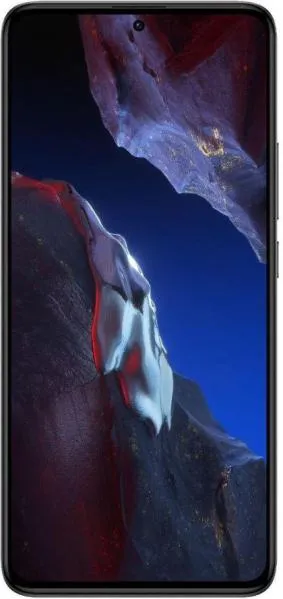

1. Specifications Comparison
| Feature | Xiaomi Poco F5 Pro | Realme 12+ | Practical Impact |
|---|---|---|---|
| Design | |||
| Dimensions (mm) | 162.8 x 75.4 x 8.6 | 163 x 75.5 x 7.9 | Poco F5 Pro slightly shorter, Realme 12+ slightly thinner |
| Weight (g) | 204 | 190 | Realme 12+ noticeably lighter, improving one-handed use |
| Display | |||
| Size (inches) | 6.67 | 6.67 | Same size |
| Resolution | 1440 x 3200 (WQHD+) | 1080 x 2400 (FHD+) | Poco F5 Pro significantly sharper, better for detail-oriented tasks (image editing, VR) |
| Panel Type | AMOLED | AMOLED | Both offer vibrant colors and deep blacks |
| Refresh Rate | 120Hz | 120Hz | Both provide smooth scrolling and animations |
| Peak Brightness | 1400 nits | 2000 nits | Realme 12+ significantly brighter outdoors |
| Performance | |||
| Chipset | Snapdragon 8+ Gen 1 | Dimensity 7050 | Poco F5 Pro significantly more powerful, enabling smoother gaming, faster app loading, and better multitasking |
| CPU | Octa-core (1x3.0 GHz X2 & 3x2.5 GHz A710 & 4x1.8 GHz A510) | Octa-core (2x2.6 GHz A78 & 6x2.0 GHz A55) | Poco F5 Pro's superior CPU architecture offers significantly better performance |
| GPU | Adreno 730 | Mali-G68 MC4 | Poco F5 Pro's GPU provides a substantial advantage in gaming and graphics-intensive tasks |
| RAM | 8/12GB | 8/12GB | Dependent on configuration, but both can offer ample multitasking capabilities |
| Camera | |||
| Main Camera | 64MP, f/1.79, OIS | 50MP, f/1.88, OIS | Poco F5 Pro has higher resolution; image quality comparison requires real-world testing |
| Video Recording | Up to 8K@24fps | Up to 4K@30fps | Poco F5 Pro offers higher resolution video recording |
| Battery | |||
| Capacity | 5160 mAh | 5000 mAh | Poco F5 Pro has slightly larger battery, but real-world battery life depends on optimization |
2. Key Differences Analysis
Xiaomi Poco F5 Pro Advantages:
- Significantly more powerful: The Snapdragon 8+ Gen 1 offers a substantial performance advantage for demanding tasks and gaming.
- Sharper display: The WQHD+ resolution provides much greater detail.
- Higher resolution video recording: Capable of recording up to 8K video.
Realme 12+ Advantages:
- Brighter display: The 2000 nits peak brightness makes it easier to use outdoors in bright sunlight.
- Lighter and slightly thinner: Improves one-handed usability.
- Potentially lower price: Based on available pricing data. More affordable configurations.
3. User Profiles & Recommendations
Xiaomi Poco F5 Pro: Ideal for power users, gamers, and those who prioritize performance and a sharp display. Excellent for demanding tasks like video editing, 3D modeling, and mobile gaming.
Realme 12+: Suitable for users who prioritize a bright display for outdoor use and a lighter, more comfortable design. Good for everyday tasks, social media, and casual gaming. Best for budget-conscious users who don't need top-tier performance.
4. Decision Framework
Key Questions for Buyers:
- What is your budget? The Poco F5 Pro is generally more expensive.
- What are your primary use cases? Gaming and demanding tasks benefit from the Poco F5 Pro's power; everyday use might favor the Realme 12+'s brighter display and lighter weight.
- Do you prioritize performance or display brightness/portability?
Scenario-Based Recommendations:
- Heavy gamer: Poco F5 Pro
- Outdoor enthusiast: Realme 12+
- Budget-conscious user: Realme 12+
- Professional who needs a powerful device: Poco F5 Pro
My Choice: Xiaomi Poco F5 Pro
While the Realme 12+ offers a compelling combination of features for its price, I would choose the Xiaomi Poco F5 Pro. The significantly superior performance of the Snapdragon 8+ Gen 1 is crucial for my workflow, which involves demanding tasks and occasional mobile gaming. The sharper display is also a significant advantage for me. While I appreciate the Realme 12+'s brighter display and lighter weight, the performance difference is too significant to ignore. I am willing to pay the price premium for the long-term benefits of a more powerful device that will remain smooth and responsive for a longer period. The higher resolution screen is also a major factor for enjoying media and productivity tasks.
