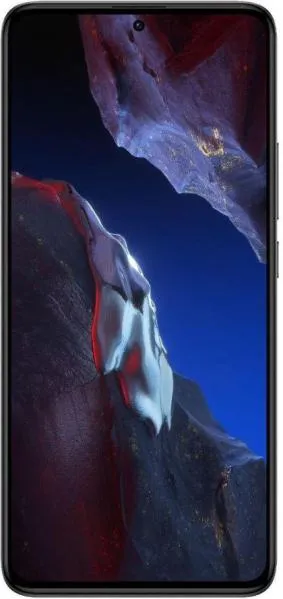

1. Specifications Comparison
| Feature | Xiaomi Poco F5 Pro | Oppo Reno12 Pro | Practical Impact |
|---|---|---|---|
| Design | |||
| Dimensions (mm) | 162.8 x 75.4 x 8.6 | 161.5 x 74.8 x 7.4 | Reno12 Pro is slightly smaller and noticeably thinner. |
| Weight (g) | 204 | 180 | Reno12 Pro is significantly lighter, improving one-handed use and comfort. |
| Display | |||
| Size (inches) | 6.67 | 6.7 | Negligible size difference. |
| Resolution | 1440 x 3200 | 1080 x 2412 | Poco F5 Pro has a much sharper display, beneficial for detail-oriented tasks and media consumption. |
| Panel Type | AMOLED | AMOLED | Both offer vibrant colors and deep blacks. |
| Refresh Rate (Hz) | 120 | 120 | Both provide smooth scrolling and animations. |
| Peak Brightness (nits) | 1400 | 1200 | Poco F5 Pro can get slightly brighter, improving outdoor visibility. |
| Color Depth | 68B | 1B | Reno12 Pro boasts a wider color gamut, potentially offering more nuanced color reproduction. |
| Performance | |||
| Chipset | Snapdragon 8+ Gen 1 | Dimensity 7300 | Poco F5 Pro's Snapdragon chip offers significantly higher CPU and GPU performance, ideal for demanding games and multitasking. |
| CPU | Octa-core (1x3.0 GHz Cortex-X2 & 3x2.5 GHz Cortex-A710 & 4x1.80 GHz Cortex-A510) | Octa-core (4x2.5 GHz Cortex-A78 & 4x2.0 GHz Cortex-A55) | Poco F5 Pro has a more powerful and efficient CPU architecture. |
| GPU | Adreno 730 | Mali-G615 MC2 | Poco F5 Pro's GPU provides a substantial gaming and graphics processing advantage. |
| RAM (GB) | 8/12 | 12 | While Reno12 Pro has 12GB in the compared variant, the Poco F5 Pro also offers a 12GB option. RAM size impacts multitasking capability. |
| Camera | |||
| Main Camera (MP) | 64 | 50 | Both offer high-resolution main sensors. |
| Ultrawide (MP) | 8 | 8 | Comparable ultrawide capabilities. |
| Telephoto (MP) | N/A | 50 | Reno12 Pro offers a dedicated telephoto lens for optical zoom, absent in the Poco F5 Pro. |
| Selfie Camera (MP) | 16 | 50 | Reno12 Pro boasts a significantly higher resolution selfie camera. |
| Video Recording | Up to 8K@24fps | Up to 4K@30fps | Poco F5 Pro supports higher resolution video recording. |
| Battery | |||
| Capacity (mAh) | 5160 | 5000 | Poco F5 Pro has a slightly larger battery capacity, potentially offering longer battery life. |
2. Key Differences Analysis
Xiaomi Poco F5 Pro Advantages:
- Superior Performance: The Snapdragon 8+ Gen 1 significantly outperforms the Dimensity 7300, resulting in smoother gaming, faster app loading, and better multitasking.
- Sharper Display: The higher resolution display offers a noticeable improvement in clarity and detail.
- Higher Resolution Video Recording: Capability to record 8K video.
Oppo Reno12 Pro Advantages:
- Lighter and Slimmer Design: More comfortable for one-handed use and pocket portability.
- Dedicated Telephoto Lens: Enables optical zoom for better image quality at longer distances.
- Higher Resolution Selfie Camera: Caters to users who prioritize high-quality self-portraits.
- Newer OS with Longer Support: Ships with Android 14 and guaranteed updates to Android 17.
3. User Profiles & Recommendations
Xiaomi Poco F5 Pro: Ideal for power users, gamers, and those who prioritize performance and a sharp display. Excellent for demanding tasks, media consumption, and content creation.
Oppo Reno12 Pro: Suitable for users who value a lightweight and stylish design, prioritize camera versatility (especially zoom and selfies), and desire a longer software update cycle. Best for everyday use, social media, and casual photography.
4. Decision Framework
Key Questions for Buyers:
- What is your budget and how important is performance? The Poco F5 Pro offers superior performance but might have a slightly higher price depending on the storage configuration.
- Do you prioritize camera versatility or screen sharpness? The Reno12 Pro provides a telephoto lens for optical zoom and a better selfie camera, while the Poco F5 Pro has a much sharper display.
- How important is software update longevity? The Reno12 Pro has a newer base Android version and longer guaranteed update support.
My Choice: Xiaomi Poco F5 Pro
While the Oppo Reno12 Pro offers a compelling package with its sleek design and camera features, the Xiaomi Poco F5 Pro's superior performance and sharper display are decisive factors for me. I prioritize a smooth and responsive user experience, especially for gaming and multitasking. The Snapdragon 8+ Gen 1 provides a significant advantage in this regard. The higher resolution display further enhances media consumption and overall enjoyment. While I appreciate the Reno12 Pro's telephoto lens, I can live without it given the Poco F5 Pro's other strengths. The slightly larger battery is a bonus. Ultimately, the Poco F5 Pro offers a better value proposition for my needs and usage patterns.
