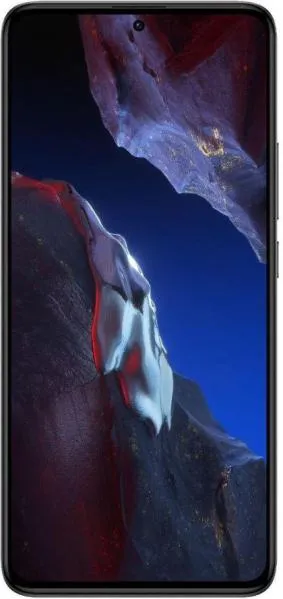

1. Specifications Comparison
| Feature | Xiaomi Poco F5 Pro | Oppo Reno12 | Practical Impact |
|---|---|---|---|
| Design | |||
| Dimensions (mm) | 162.8 x 75.4 x 8.6 | 161.4 x 74.1 x 7.6 | Reno12 is slightly smaller and thinner, potentially more comfortable for one-handed use. |
| Weight (g) | 204 | 177 | Reno12 is noticeably lighter, reducing hand fatigue during extended use. |
| Display | |||
| Display Size (inches) | 6.67 | 6.7 | Negligible size difference. |
| Resolution | 1440 x 3200 | 1080 x 2412 | Poco F5 Pro has a significantly sharper display (QHD+ vs. FHD+), resulting in crisper text and images. |
| Display Type | AMOLED, 120Hz | AMOLED, 120Hz | Both offer vibrant colors and smooth scrolling with the same refresh rate. However, Poco F5 Pro supports Dolby Vision and higher peak brightness (up to 1400 nits vs 1200 nits) for better HDR performance in bright environments. Reno12 boasts a 1B color depth versus 68B on the Poco F5 Pro, potentially offering smoother color gradations, though the discernibility depends on content and individual perception. |
| Performance | |||
| Chipset | Snapdragon 8+ Gen 1 | Dimensity 7300 | Poco F5 Pro's Snapdragon 8+ Gen 1 offers significantly higher CPU and GPU performance, leading to smoother multitasking, faster app loading, and better gaming capabilities. |
| RAM | 8/12GB | 12/16GB | Reno12 offers higher RAM configurations, potentially improving multitasking and background app retention, though 8GB is generally sufficient for most users. |
| OS | Android 13 | Android 14 | Reno12 ships with a newer Android version, offering potential feature and security advantages. However, Poco F5 Pro is likely to receive updates to newer versions. Information regarding maximum Android version for the Poco F5 Pro is missing. |
| Camera | |||
| Main Camera | 64MP, f/1.79 | 50MP, f/1.8 | Both have capable main cameras, though image quality differences would depend on real-world testing. |
| Video Recording | Up to 8K@24fps | Up to 4K@30fps | Poco F5 Pro supports higher resolution video recording (8K). |
| Battery | |||
| Capacity | 5160 mAh | 5000 mAh | Marginally larger battery in the Poco F5 Pro; real-world battery life depends on usage patterns and software optimization. |
2. Key Differences Analysis
Xiaomi Poco F5 Pro Advantages:
- Significantly higher performance: The Snapdragon 8+ Gen 1 offers a substantial advantage in processing power and graphics rendering.
- Sharper display: The QHD+ resolution provides noticeably crisper visuals.
- Higher resolution video recording: Capable of recording 8K video.
- Brighter, Dolby Vision display: Offers better HDR performance.
Oppo Reno12 Advantages:
- Lighter and thinner design: More comfortable for one-handed use and portability.
- Newer Android version: Ships with Android 14 out of the box.
- Higher RAM options: Available with up to 16GB of RAM for enhanced multitasking.
- Potentially better color accuracy: 1B color display may provide smoother color gradients.
Trade-offs:
- Poco F5 Pro sacrifices some portability for its higher performance and sharper display.
- Reno12 prioritizes design and RAM over raw processing power.
3. User Profiles & Recommendations
Xiaomi Poco F5 Pro: Ideal for power users, gamers, and those who prioritize performance and a high-quality display. Users consuming HDR content will benefit from the brighter Dolby Vision display.
Oppo Reno12: Suitable for users who value a lightweight and stylish design, prioritize battery life, and prefer a newer OS out of the box. Users who heavily multitask might benefit from the higher RAM options.
4. Decision Framework
Key Questions:
- What is your budget and how important is performance to you? Poco F5 Pro offers significantly better performance but might be slightly more expensive.
- Do you prioritize portability and design or a sharper display and higher resolution video recording? Reno12 is lighter and thinner, while Poco F5 Pro offers a superior visual experience.
- How important is software and OS updates to you? Reno12 has a newer Android version initially, but long-term update support needs further investigation for both devices.
Scenario-Based Recommendations:
- Heavy gamer: Poco F5 Pro for its superior performance.
- Casual user prioritizing style and battery life: Oppo Reno12.
- Professional needing a sharp display for media consumption: Poco F5 Pro.
My Choice: Xiaomi Poco F5 Pro
While the Oppo Reno12 offers a compelling design and newer OS, the Xiaomi Poco F5 Pro's significant performance advantage, sharper display, and brighter, Dolby Vision-capable screen are decisive factors for me. I prioritize a smooth and responsive user experience, especially for demanding tasks and media consumption. The slightly larger size and weight are acceptable trade-offs for the significant boost in performance and visual quality. The higher resolution video recording capabilities are also a significant plus. While the Reno12's higher RAM options are appealing, 8GB on the Poco F5 Pro is sufficient for my needs. Ultimately, the Poco F5 Pro offers a more future-proof and powerful experience that aligns better with my preferences.
