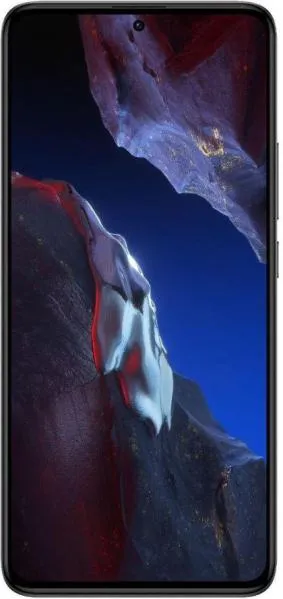

1. Specifications Comparison
| Feature | Xiaomi Poco F5 Pro | Oppo Reno11 | Practical Impact |
|---|---|---|---|
| Design | |||
| Dimensions (mm) | 162.8 x 75.4 x 8.6 | 162.4 x 74.3 x 7.9 | Reno11 is slightly thinner and lighter, potentially more comfortable for one-handed use. |
| Weight (g) | 204 | 182 | Noticeable difference in hand; Reno11 feels less bulky. |
| Display | |||
| Size (inches) | 6.67 | 6.7 | Negligible size difference in real-world usage. |
| Resolution | 1440 x 3200 (WQHD+) | 1080 x 2412 (FHD+) | Poco F5 Pro offers significantly sharper visuals due to higher pixel density (526 ppi vs 394 ppi), beneficial for media consumption and gaming. |
| Refresh Rate | 120Hz | 120Hz | Both offer smooth scrolling and animations. |
| Display Type | AMOLED, Dolby Vision, HDR10+ | AMOLED, HDR10+ | Both offer vibrant colors and deep blacks. Poco F5 Pro supports Dolby Vision for potentially enhanced HDR content. |
| Peak Brightness | 1400 nits | 950 nits | Poco F5 Pro will be more visible in direct sunlight. |
| Performance | |||
| Chipset | Snapdragon 8+ Gen 1 (4nm) | Dimensity 7050 (6nm) | Poco F5 Pro boasts a significantly more powerful processor, resulting in faster app loading, smoother multitasking, and better gaming performance. |
| CPU | Octa-core (1x3.0 GHz Cortex-X2 & 3x2.5 GHz Cortex-A710 & 4x1.80 GHz Cortex-A510) | Octa-core (2x2.6 GHz Cortex-A78 & 6x2.0 GHz Cortex-A55) | Superior CPU architecture in Poco F5 Pro delivers noticeable performance gains. |
| GPU | Adreno 730 | Mali-G68 MC4 | Poco F5 Pro's GPU offers a significant advantage in graphics-intensive tasks like gaming. |
| RAM | 8/12GB | 8/12GB | Both offer ample RAM for multitasking; performance differences will depend more on chipset and other factors. |
| Camera | |||
| Main Camera | 64MP, f/1.79 | 50MP, f/1.88 | Image quality differences will depend on sensor and processing rather than just megapixel count. |
| Ultrawide | 8MP, f/2.2 | 8MP, f/2.2 | Comparable ultrawide capabilities. |
| Telephoto | None | 32MP, f/2.0 | Reno11 offers optical zoom for capturing distant subjects, a significant advantage over Poco F5 Pro. |
| Video | 8K@24fps, 4K@60fps | 4K@30fps | Poco F5 Pro supports higher resolution and frame rate video recording. |
| Battery | |||
| Capacity | 5160 mAh | 5000 mAh | Slight difference in battery capacity, real-world battery life will depend on usage patterns and optimization. |
2. Key Differences Analysis
Poco F5 Pro Advantages:
- Significantly more powerful: The Snapdragon 8+ Gen 1 provides a considerable performance advantage for demanding tasks and gaming.
- Sharper display: WQHD+ resolution offers noticeably better visual clarity.
- Higher resolution and frame rate video recording: Up to 8K video capture.
- Brighter Display: Better visibility outdoors.
Oppo Reno11 Advantages:
- Lighter and thinner: More comfortable for one-handed use.
- Dedicated telephoto lens: Offers optical zoom capability for better image quality when capturing distant subjects.
- Lower price: Generally more affordable than the Poco F5 Pro.
3. User Profiles & Recommendations
Poco F5 Pro: Ideal for power users, gamers, and those who prioritize performance and a sharp display for media consumption.
Oppo Reno11: Suitable for users who prefer a lighter, more compact phone, value optical zoom for photography, and are on a tighter budget.
4. Decision Framework
Key Questions for Buyers:
- What is your budget? The Poco F5 Pro is generally more expensive.
- Is peak performance a priority? The Poco F5 Pro offers significantly better performance for gaming and demanding tasks.
- Do you frequently use zoom in photography? The Reno11's telephoto lens provides a significant advantage in this area.
My Choice: Xiaomi Poco F5 Pro
While the Oppo Reno11 offers a compelling combination of features, especially with the telephoto lens, I would choose the Xiaomi Poco F5 Pro. The significant performance difference due to the Snapdragon 8+ Gen 1, combined with the stunning WQHD+ display, is crucial for my usage. I prioritize a smooth and responsive user experience for demanding tasks and gaming, and the Poco F5 Pro delivers on that front. The brighter display is also a plus for outdoor usage. While the Reno11's lighter weight and telephoto lens are attractive, the overall performance and display quality of the Poco F5 Pro make it a more compelling option for me. I am willing to compromise slightly on weight and potentially utilize digital zoom for the significant gains in overall performance and visual experience.
