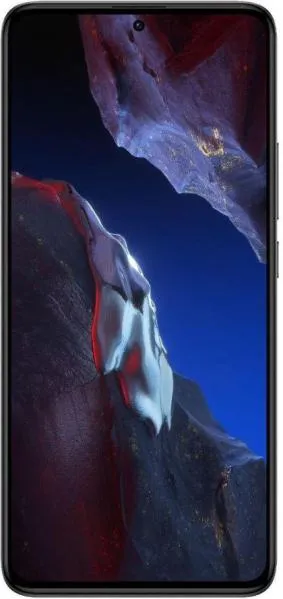
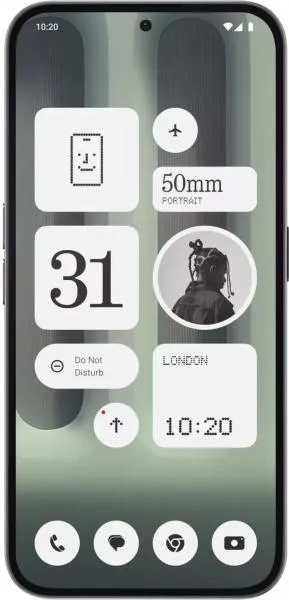
1. Specifications Comparison
| Feature | Xiaomi Poco F5 Pro | Nothing Phone (2a) Plus | Practical Impact |
|---|---|---|---|
| Design | |||
| Dimensions (mm) | 162.8 x 75.4 x 8.6 | 161.7 x 76.3 x 8.5 | Poco F5 Pro is slightly taller and narrower. Negligible difference in daily use. |
| Weight (g) | 204 | 190 | Nothing Phone (2a) Plus is noticeably lighter, improving one-handed use. |
| Display | |||
| Size (inches) | 6.67 | 6.7 | Virtually identical screen sizes. |
| Resolution | 1440 x 3200 | 1080 x 2412 | Poco F5 Pro has a significantly sharper display (526 ppi vs 395 ppi), resulting in crisper text and images. |
| Type | AMOLED, 120Hz | AMOLED, 120Hz | Both offer smooth scrolling and vibrant colors thanks to AMOLED and 120Hz refresh rate. |
| Color Depth | 68B | 1B | Nothing Phone (2a) Plus boasts a wider color gamut, potentially displaying more subtle color variations. However, the discernibility of this difference in everyday usage is debatable. |
| Peak Brightness | 1400 nits | 1300 nits | Poco F5 Pro gets slightly brighter, improving outdoor visibility. |
| Performance | |||
| Chipset | Snapdragon 8+ Gen 1 | Dimensity 7350 Pro | Poco F5 Pro features a flagship-level processor, offering significantly better performance in demanding tasks like gaming and video editing. |
| CPU | Octa-core (1x3.0 GHz X2 & 3x2.5 GHz A710 & 4x1.80 GHz A510) | Octa-core (2x3.0 GHz A715 & 6x2.0 GHz A510) | The superior architecture and higher clock speeds of the Poco F5 Pro's CPU translate to significantly faster processing. |
| GPU | Adreno 730 | Mali-G610 MC4 | Poco F5 Pro's GPU provides a substantial advantage in graphics performance, crucial for gaming and other visually intensive applications. |
| RAM | 8/12GB | 12GB | Both offer ample RAM for multitasking, but the Poco F5 Pro offers an 8GB variant which may impact performance for heavy users. |
| Camera | |||
| Main Camera | 64MP, f/1.79 | 50MP, f/1.88 | Poco F5 Pro has a higher resolution main sensor, however, sensor size and other factors also contribute to image quality, making a direct comparison based on megapixels alone insufficient. |
| Video Recording | Up to 8K@24fps | Up to 4K@30fps | Poco F5 Pro supports higher resolution video recording. |
| Battery | |||
| Capacity | 5160 mAh | 5000 mAh | Slightly larger battery in the Poco F5 Pro, potentially offering slightly longer battery life. Real-world usage will vary. |
2. Key Differences Analysis
Xiaomi Poco F5 Pro Advantages:
- Significantly higher performance: The Snapdragon 8+ Gen 1 outclasses the Dimensity 7350 Pro, making the Poco F5 Pro much better for demanding tasks and gaming.
- Sharper display: Higher resolution provides a noticeably crisper viewing experience.
- Higher resolution video recording: 8K recording capability for capturing more detail.
Nothing Phone (2a) Plus Advantages:
- Lighter weight: More comfortable for extended use and one-handed operation.
- Wider color gamut: Potentially displays more vibrant and nuanced colors (though real-world impact may be minimal).
- Potentially more affordable: Though both are mid-range, the newer launch date may provide better market pricing for the Nothing Phone (2a) Plus. Exact price comparison requires checking current retail prices.
3. User Profiles & Recommendations
Xiaomi Poco F5 Pro: Users who prioritize performance, a sharp display, and high-resolution video recording. Ideal for mobile gamers, power users, and content creators.
Nothing Phone (2a) Plus: Users who prioritize a lightweight design, a vibrant display, and a clean Android experience. Suitable for everyday users who value comfortable handling and good battery life.
4. Decision Framework
Key Questions for Buyers:
- What is your budget? Compare current retail prices to determine the best value.
- What are your primary use cases? Gaming and content creation benefit from the Poco F5 Pro's performance.
- Do you prioritize performance or design? The Poco F5 Pro excels in performance, while the Nothing Phone (2a) Plus offers a lighter, more comfortable design.
My Choice: Xiaomi Poco F5 Pro
While the Nothing Phone (2a) Plus boasts a lighter design and a wider color gamut, the Xiaomi Poco F5 Pro's superior performance, significantly sharper display, and higher resolution video recording capabilities are decisive factors for me. The Snapdragon 8+ Gen 1 provides a substantial real-world advantage in speed and responsiveness, which I value greatly. The sharper display enhances clarity for everything from reading text to watching videos. While weight is a consideration, the performance difference is significant enough to outweigh the slight difference in handling. Ultimately, the Poco F5 Pro provides a more powerful and versatile user experience.
