1. Specifications Comparison
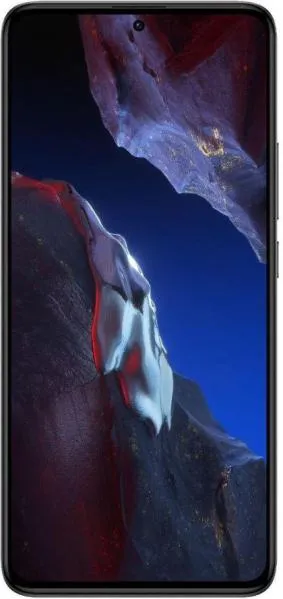
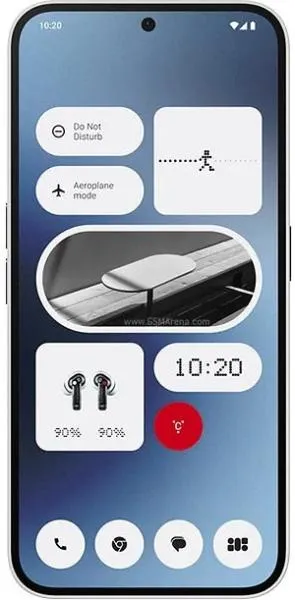
| Feature | Xiaomi Poco F5 Pro | Nothing Phone (2a) | Practical Impact |
|---|---|---|---|
| Design | |||
| Dimensions (mm) | 162.8 x 75.4 x 8.6 | 161.7 x 76.3 x 8.6 | Poco F5 Pro is slightly taller and narrower. Negligible difference in daily use. |
| Weight (g) | 204 | 190 | Nothing Phone (2a) is noticeably lighter, improving one-handed use. |
| Display | |||
| Size (inches) | 6.67 | 6.7 | Virtually identical screen sizes. |
| Resolution | 1440 x 3200 | 1080 x 2412 | Poco F5 Pro has a significantly sharper display (526 ppi vs 394 ppi), resulting in crisper text and images. |
| Refresh Rate | 120Hz | 120Hz | Both offer smooth scrolling and animations. |
| Panel Type | AMOLED | AMOLED | Both offer vibrant colors and deep blacks. |
| Peak Brightness | 1400 nits | 1300 nits | Poco F5 Pro gets slightly brighter, potentially improving outdoor visibility. |
| Color Depth | 68B | 1B | Nothing Phone (2a)'s 1B color depth offers smoother color gradients, but the difference might not be noticeable to the average user. |
| Performance | |||
| Chipset | Snapdragon 8+ Gen 1 | Dimensity 7200 Pro | Poco F5 Pro boasts a flagship-level processor from the previous generation, offering significantly better performance for demanding tasks and gaming. |
| CPU | Octa-core (1x3.0 GHz Cortex-X2 & 3x2.5 GHz Cortex-A710 & 4x1.80 GHz Cortex-A510) | Octa-core (2x2.8 GHz Cortex-A715 & 6x 2.0 Cortex-A510) | The Poco F5 Pro's CPU configuration offers a higher clock speed and more powerful cores, leading to superior performance. |
| GPU | Adreno 730 | Mali-G610 MC4 | Adreno 730 provides a significant advantage in graphics processing, resulting in better gaming performance and smoother graphics rendering. |
| RAM | 8GB/12GB | 8GB/12GB | Both offer ample RAM for multitasking, but configuration options vary. |
| Camera | |||
| Main Camera | 64MP Omnivision OV64B | 50MP Samsung GN9 | Both offer high-resolution sensors. Image quality will depend on processing, which cannot be determined from specifications alone. |
| Ultrawide | 8MP Omnivision OV08D10 | 50MP Samsung S5KJN1 | Nothing Phone (2a) has a significantly higher resolution ultrawide camera, potentially offering better detail and less distortion. |
| Macro | 2MP Omnivision OV02B10 | Combined with Ultrawide | Poco F5 Pro has a dedicated macro lens, but its low resolution limits its usefulness. |
| Video | Up to 8K@24fps | Up to 4K@30fps | Poco F5 Pro offers 8K video recording, although its practical use is limited. |
| Battery | |||
| Capacity | 5160 mAh | 5000 mAh | Marginally larger battery in the Poco F5 Pro, but real-world battery life depends on optimization and usage patterns. |
2. Key Differences Analysis
Xiaomi Poco F5 Pro Advantages:
- Significantly higher performance: The Snapdragon 8+ Gen 1 provides a substantial advantage for demanding tasks, gaming, and future-proofing.
- Sharper display: The higher resolution screen delivers crisper visuals.
- Brighter display: Better visibility outdoors.
Nothing Phone (2a) Advantages:
- Lighter weight: More comfortable for extended use and one-handed operation.
- Higher resolution ultrawide camera: Potentially better image quality for wide shots.
- Newer Android version: Out-of-the-box access to newer features and potentially longer software updates (max Android 17 vs. unknown for Poco F5 Pro).
- Lower price: Offers a more competitive price-to-performance ratio for general usage.
3. User Profiles & Recommendations
Xiaomi Poco F5 Pro: Users who prioritize performance, a sharp display, and don't mind a slightly heavier phone. Ideal for mobile gamers, power users, and those who want a future-proof device.
Nothing Phone (2a): Users who prioritize a lightweight design, a good camera system for everyday use, and the latest software features. Suitable for general users, social media enthusiasts, and those seeking a good balance of features and affordability.
4. Decision Framework
Key Questions for Buyers:
- What is your budget and how important is performance? The Poco F5 Pro commands a higher price for its superior performance.
- What are your primary use cases? Gamers and power users will benefit more from the Poco F5 Pro. Casual users might find the Nothing Phone (2a) sufficient.
- How much do you value screen sharpness and brightness versus a lighter weight?
My Choice: Xiaomi Poco F5 Pro
While the Nothing Phone (2a) offers a compelling package with its lightweight design and newer OS, the Xiaomi Poco F5 Pro's significant performance advantage and sharper display are the deciding factors for me. As someone who values a smooth and responsive user experience, even for demanding tasks and gaming, the Snapdragon 8+ Gen 1 is a compelling proposition. The sharper display also enhances media consumption and overall visual clarity. The slightly heavier weight is a minor trade-off I'm willing to make for the superior performance and display. Furthermore, while the Nothing Phone (2a) has a higher resolution ultrawide camera, practical image quality depends on factors beyond resolution, and the Poco F5 Pro's overall camera system is likely still very capable. Ultimately, the Poco F5 Pro offers a more future-proof and powerful experience that aligns with my priorities.
