1. Specifications Comparison
| Feature | Xiaomi Poco F5 Pro | Nothing Phone (2) | Practical Impact |
|---|---|---|---|
| Design | |||
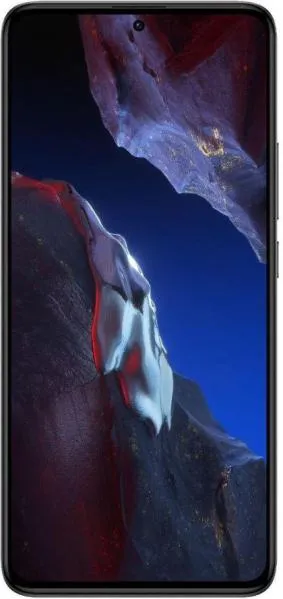
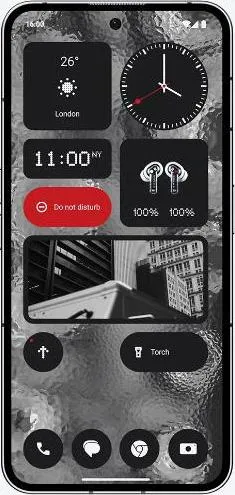
| Dimensions (mm) | 162.8 x 75.4 x 8.6 | 162.1 x 76.4 x 8.6 | Virtually identical in size and thickness. |
| Weight (g) | 204 | 201.2 | Negligible weight difference in hand. |
| Build | Unspecified | Unspecified | Build quality and materials cannot be compared without further information. |
| Display | |||
| Display Type | AMOLED | LTPO OLED | Both offer excellent contrast and vibrant colors. LTPO allows for dynamic refresh rate adjustment, potentially saving battery. |
| Size (inches) | 6.67 | 6.7 | Negligible size difference. |
| Resolution | 1440 x 3200 | 1080 x 2412 | Poco F5 Pro offers significantly sharper visuals due to higher resolution (526 ppi vs 394 ppi). Noticeable in text clarity and image detail. |
| Refresh Rate | 120Hz | 120Hz | Both offer smooth scrolling and animations. |
| Peak Brightness | 1400 nits | 1600 nits | Nothing Phone (2) might be slightly more visible in direct sunlight. |
| Performance | |||
| Chipset | Snapdragon 8+ Gen 1 | Snapdragon 8+ Gen 1 | Identical chipsets, expecting similar performance in demanding tasks and gaming. |
| CPU | Octa-core (1x3.0 GHz Cortex-X2 & 3x2.5 GHz Cortex-A710 & 4x1.80 GHz Cortex-A510) | Octa-core (1x3.0 GHz Cortex-X2 & 3x2.5 GHz Cortex-A710 & 4x1.80 GHz Cortex-A510) | Identical CPU configurations. |
| GPU | Adreno 730 | Adreno 730 | Identical GPUs, expecting similar gaming performance. |
| RAM (Base Model) | 8GB | 8GB | Similar base RAM, sufficient for multitasking. Both offer higher RAM configurations. |
| Camera | |||
| Main Camera | 64MP (Omnivision OV64B) | 50MP (Sony IMX890) | Sensor specifications suggest potential differences in low-light performance and dynamic range. Further image quality comparisons are needed. |
| Ultrawide | 8MP | 50MP | Nothing Phone (2) boasts a significantly higher resolution ultrawide, potentially capturing more detail. |
| Macro | 2MP | Included with ultrawide | Dedicated macro on Poco F5 Pro might offer slightly better close-up shots, but Nothing Phone (2)'s higher resolution ultrawide could compensate. |
| Video | 8K@24fps, 4K@60fps | 4K@60fps | Poco F5 Pro offers 8K recording, but practical benefits are limited by storage space and playback devices. |
| Battery | |||
| Capacity | 5160 mAh | 4700 mAh | Poco F5 Pro likely offers longer battery life due to larger capacity. Real-world usage will vary. |
2. Key Differences Analysis
Xiaomi Poco F5 Pro Advantages:
- Sharper Display: Significantly higher resolution for crisper visuals.
- Larger Battery: Potentially longer battery life.
- 8K Video Recording: Although practical benefits are limited.
Nothing Phone (2) Advantages:
- LTPO Display: More power efficient due to dynamic refresh rate.
- Higher Resolution Ultrawide Camera: Potentially better detail and versatility.
- Brighter Display: Improved outdoor visibility.
3. User Profiles & Recommendations
Xiaomi Poco F5 Pro: Ideal for users prioritizing display sharpness, battery life, and potentially those who want to experiment with 8K video. Suitable for media consumption, mobile gaming, and general use.
Nothing Phone (2): Ideal for users prioritizing a power-efficient display, a versatile camera system with a strong ultrawide lens, and a unique design. Suitable for photography enthusiasts, social media users, and those concerned about battery life.
4. Decision Framework
Key Questions for Buyers:
- How important is display sharpness? A higher resolution screen translates to noticeably clearer text and images.
- Is battery life a primary concern? The Poco F5 Pro's larger battery suggests longer usage between charges.
- Do you frequently use the ultrawide camera? The Nothing Phone (2)'s high-resolution ultrawide offers a significant advantage in this area.
Scenario-Based Recommendations:
- Heavy Media Consumer: Poco F5 Pro for its sharper display and larger battery.
- Photography Enthusiast: Nothing Phone (2) for its versatile camera system.
- Battery Life Conscious User: Both phones offer good battery, but Poco F5 Pro might have a slight edge.
My Choice: Xiaomi Poco F5 Pro
While the Nothing Phone (2) has appealing features like the LTPO display and high-resolution ultrawide camera, the Xiaomi Poco F5 Pro's significantly sharper display and larger battery are more compelling to me. The difference in resolution is noticeable in everyday use, enhancing media consumption and overall visual experience. The larger battery provides peace of mind, especially with heavy usage. While 8K video is not a major deciding factor, it's a nice bonus. The slightly lower peak brightness and lack of LTPO are acceptable trade-offs for the superior screen clarity and battery capacity. Ultimately, my priorities lean towards a visually immersive experience and long-lasting battery life.
