1. Specifications Comparison
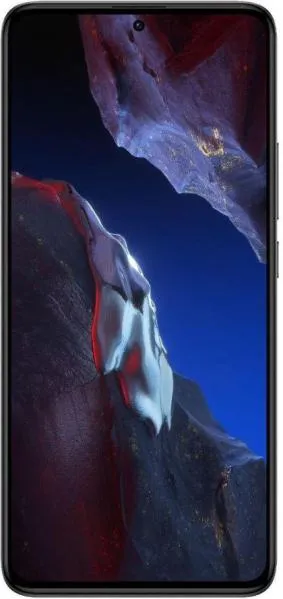
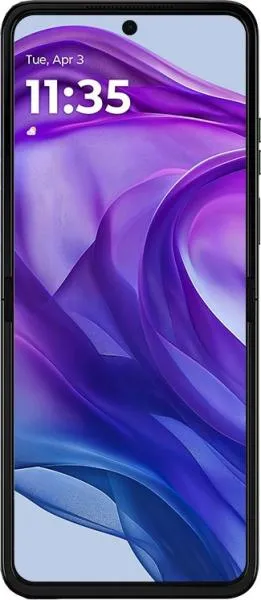
| Feature | Xiaomi Poco F5 Pro | Motorola Razr 50 Ultra | Practical Impact |
|---|---|---|---|
| Design | |||
| Dimensions (mm) | 162.8 x 75.4 x 8.6 | 171.4 x 74 x 7.1 | Razr 50 Ultra is taller and slightly narrower when unfolded, significantly more compact when folded. Poco F5 Pro is thicker. Razr's foldability offers portability advantage. |
| Weight (g) | 204 | 189 | Razr 50 Ultra is lighter despite its larger main screen. |
| Foldable | No | Yes | Razr's foldable design significantly impacts portability and usability, allowing for a larger screen in a smaller package. |
| Display | |||
| Size (inches) | 6.67 | 6.9 (Main), ~3.6 (Cover) | Razr offers a larger main display for immersive content consumption but also a functional cover screen for quick interactions. |
| Resolution (px) | 1440 x 3200 | 1080 x 2640 (Main), | Poco F5 Pro boasts a sharper display with higher pixel density. Razr's resolution is lower but still sharp on the larger display. Cover screen resolution is not specified. |
| Refresh Rate (Hz) | 120 | 165 | Razr 50 Ultra offers smoother scrolling and animations with its higher refresh rate. |
| Display Type | AMOLED | Foldable LTPO AMOLED | Both offer vibrant colors and deep blacks. Razr's LTPO panel potentially allows for dynamic refresh rate adjustment for power saving. Foldable nature introduces a crease. |
| Peak Brightness (nits) | 1400 | 3000 | Razr 50 Ultra is significantly brighter, ensuring better outdoor visibility. |
| Performance | |||
| Chipset | Snapdragon 8+ Gen 1 | Snapdragon 8s Gen 3 | Razr features a newer, slightly more powerful processor. Performance differences will likely be minimal in everyday tasks. |
| CPU | Octa-core (1x3.0 GHz X2 & 3x2.5 GHz A710 & 4x1.80 GHz A510) | Octa-core (1x3.0 GHz X4 & 4x2.8 GHz A720 & 3x2.0 GHz A520) | Both offer high-end performance. Architectural differences might give Razr a slight edge in sustained performance. |
| RAM (GB) | 12 | 12 | Both offer ample RAM for multitasking. |
| Camera | |||
| Main Camera (MP) | 64 | 50 | Poco F5 Pro has a higher resolution main sensor. Image quality depends on various factors beyond resolution, including sensor size and processing. |
| Ultrawide (MP) | 8 | N/A | Poco F5 Pro offers an ultrawide lens for wider field of view shots, lacking in the Razr. |
| Telephoto (MP) | N/A | 50 | Razr 50 Ultra offers a telephoto lens for optical zoom, absent in the Poco F5 Pro. |
| Battery | |||
| Capacity (mAh) | 5160 | 4000 | Poco F5 Pro offers significantly longer battery life due to larger capacity. Razr's smaller battery is a trade-off for its foldable design. |
2. Key Differences Analysis
Xiaomi Poco F5 Pro Advantages:
- Sharper Display: Higher resolution for crisper visuals.
- Longer Battery Life: Significantly larger battery capacity.
- Lower Price: Generally more affordable.
- Ultrawide Camera: Offers wider field of view for photography.
Motorola Razr 50 Ultra Advantages:
- Foldable Design: Enhanced portability and unique form factor.
- Higher Refresh Rate: Smoother scrolling and animations.
- Brighter Display: Superior outdoor visibility.
- Newer Processor: Slightly improved performance.
- Telephoto Lens: Enables optical zoom for photography.
- External Display: Quick access to notifications and basic tasks without unfolding.
3. User Profiles & Recommendations
Xiaomi Poco F5 Pro: Ideal for users prioritizing performance, battery life, and value. Suitable for:
- Power users: Demanding tasks, gaming, and media consumption.
- Budget-conscious buyers: Seeking high-end specs at a lower price.
Motorola Razr 50 Ultra: Ideal for users prioritizing portability, style, and a unique form factor. Suitable for:
- Trendsetters: Value a compact and fashionable device.
- Users on the go: Need a phone that easily fits in pockets and small bags.
4. Decision Framework
Key Questions for Buyers:
- How important is portability? Foldable design is a major differentiator.
- What is your budget? Poco F5 Pro offers better value in terms of raw specifications for the price.
- What are your primary use cases? (e.g., media consumption, gaming, photography) Each phone excels in different areas.
My Choice: Xiaomi Poco F5 Pro
While the Razr 50 Ultra's foldable design and external display are appealing, the Xiaomi Poco F5 Pro better suits my needs. I prioritize battery life and a sharper display for media consumption and gaming. The significantly lower price for comparable performance and the inclusion of an ultrawide camera, absent in the Razr, solidify my choice. The Razr's smaller battery and higher price are trade-offs I'm not willing to make. While the foldable form factor is innovative, it's not a crucial feature for my usage. I value practicality and longevity, which the Poco F5 Pro delivers more effectively.
