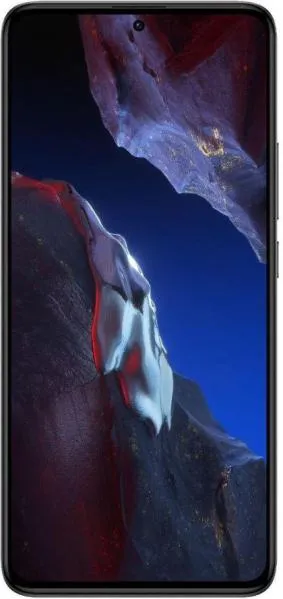
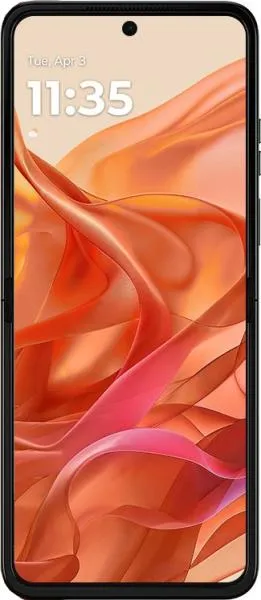
1. Specifications Comparison
| Feature | Xiaomi Poco F5 Pro | Motorola Razr 50 | Practical Impact |
|---|---|---|---|
| Design | |||
| Dimensions (mm) | 162.8 x 75.4 x 8.6 | 171.3 x 74 x 7.3 | Razr 50 is taller and narrower when unfolded, significantly thinner but slightly wider when folded. Poco F5 Pro is a traditional slab design. |
| Weight (g) | 204 | 188.4 | Razr 50 is lighter despite its large display due to the foldable design. |
| Foldable | No | Yes | Razr 50's foldable design offers portability and a unique form factor. |
| Display | |||
| Display Type | AMOLED | Foldable LTPO AMOLED | Razr 50 utilizes a foldable display allowing for a larger screen in a smaller footprint when folded. LTPO potentially offers better battery efficiency. |
| Size (inches) | 6.67 | 6.9 | Razr 50 has a slightly larger screen. |
| Resolution | 1440 x 3200 | 1080 x 2640 | Poco F5 Pro has a significantly sharper display (526 ppi vs 413 ppi). |
| Refresh Rate (Hz) | 120 | 120 | Both offer smooth scrolling and animations. |
| Peak Brightness (nits) | 1400 | 3000 | Razr 50's display will be significantly brighter outdoors. |
| Color Depth | 68B | 1B | Razr 50 supports a wider color gamut, resulting in more vibrant and accurate colors. |
| Performance | |||
| Chipset | Snapdragon 8+ Gen 1 | Dimensity 7300X | Poco F5 Pro boasts a more powerful flagship-level processor, leading to better performance in demanding tasks and gaming. |
| CPU | Octa-core (1x3.0 GHz X2 & 3x2.5 GHz A710 & 4x1.80 GHz A510) | Octa-core (4x2.5 GHz A78 & 4x2.0 GHz A55) | Poco F5 Pro's CPU architecture is more powerful and efficient. |
| GPU | Adreno 730 | Mali-G615 MC2 | Poco F5 Pro has a significantly more powerful GPU, translating to superior gaming and graphics performance. |
| RAM (GB) | 8/12 | 8/12 | Both offer ample RAM for multitasking, but specific configurations vary. |
| Camera | |||
| Main Camera (MP) | 64 | 50 | Poco F5 Pro has a higher resolution main sensor. Image quality depends on factors beyond resolution. |
| Ultrawide (MP) | 8 | 13 | Razr 50 has a higher resolution ultrawide lens. |
| Selfie Camera (MP) | 16 | 32 | Razr 50 offers a significantly higher resolution selfie camera. |
| Video Recording | Up to 8K@24fps | Up to 4K@30fps | Poco F5 Pro supports higher resolution video recording. |
| Battery | |||
| Capacity (mAh) | 5160 | 4200 | Poco F5 Pro has significantly larger battery capacity, potentially leading to longer battery life. |
2. Key Differences Analysis
Xiaomi Poco F5 Pro Advantages:
- Superior Performance: The Snapdragon 8+ Gen 1 significantly outperforms the Dimensity 7300X, resulting in smoother gaming, faster app loading, and better multitasking.
- Sharper Display: The higher resolution display provides a noticeably crisper image.
- Larger Battery: Offers potentially longer battery life.
- Higher Resolution Video Recording: Captures more detail in videos.
Motorola Razr 50 Advantages:
- Foldable Design: Provides a unique form factor, increased portability, and a larger screen in a compact device.
- Brighter Display: Much brighter for outdoor visibility.
- Wider Color Gamut: More vibrant and accurate colors on the display.
- Higher Resolution Selfie Camera: Better quality for video calls and self-portraits.
- More Modern OS: Ships with Android 14.
Trade-offs:
- Razr 50: Sacrifices performance and battery life for its foldable design. The lower resolution display may be noticeable to some users.
- Poco F5 Pro: Lacks the portability and novelty of a foldable phone. Lower peak brightness limits outdoor visibility.
3. User Profiles & Recommendations
Xiaomi Poco F5 Pro: Ideal for users who prioritize performance, battery life, and a sharp display. Suitable for demanding tasks like gaming, video editing, and heavy multitasking.
Motorola Razr 50: Best suited for users who value portability and a unique form factor above raw performance. Appeals to those who want a larger screen that can easily fit in a pocket. Good for social media, web browsing, and casual use.
4. Decision Framework
Key Questions:
- Is a foldable design a priority? If yes, the Razr 50 is the only option.
- How important is raw performance? For gaming and demanding tasks, the Poco F5 Pro is significantly better.
- What is your budget? Consider the price difference between specific configurations.
Scenario-Based Recommendations:
- Gamer: Poco F5 Pro
- Frequent Traveler: Razr 50
- Social Media Enthusiast: Razr 50 (for the selfie camera and portability)
- Budget-Conscious User: Compare prices of specific configurations, considering the trade-offs.
My Choice: Xiaomi Poco F5 Pro
While the Razr 50's foldable design is intriguing, the Poco F5 Pro's superior performance, sharper display, and larger battery are more important to me. I prioritize a smooth and responsive user experience for tasks like gaming and multitasking. The significantly more powerful chipset and GPU of the Poco F5 Pro, coupled with the larger battery, outweigh the benefits of the Razr 50's foldable design for my personal needs. The brighter screen of the Razr 50 is tempting, but the significantly sharper resolution of the Poco F5 Pro would be preferred.
