1. Specifications Comparison
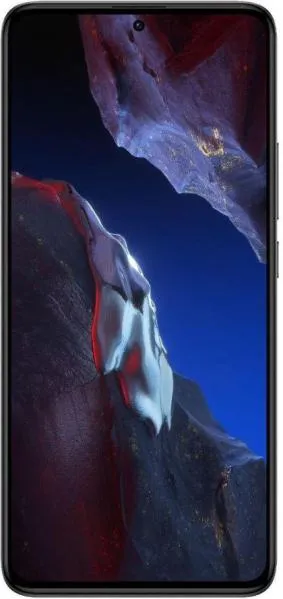
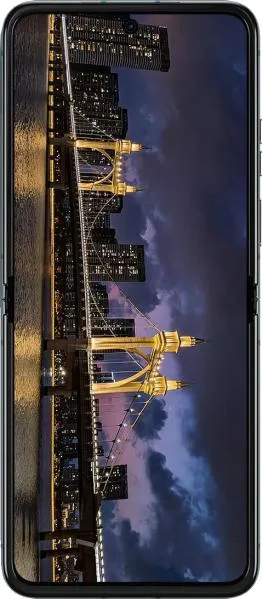
| Feature | Xiaomi Poco F5 Pro | Motorola Razr 40 Ultra | Practical Impact |
|---|---|---|---|
| Design | |||
| Dimensions (mm) | 162.8 x 75.4 x 8.6 | 170.8 x 74 x 7 | Razr 40 Ultra is significantly thinner when folded, but taller and slightly wider when unfolded. Poco F5 Pro is a more traditional candybar design. Foldability impacts portability and pocketability. |
| Weight (g) | 204 | 184.5 | Razr 40 Ultra is lighter despite its large screen, making it more comfortable for extended use and one-handed operation. |
| Foldable | No | Yes | Razr's foldable design offers a compact form factor when closed and a large screen when open, but introduces potential durability concerns and a crease in the display. |
| Display | |||
| Display Size (inches) | 6.67 | 6.9 | Razr 40 Ultra has a slightly larger display, providing more immersive content consumption. |
| Resolution (px) | 1440 x 3200 | 1080 x 2640 | Poco F5 Pro boasts a significantly sharper display (526 ppi vs 413 ppi), resulting in crisper text and images. |
| Refresh Rate (Hz) | 120 | 165 | Razr 40 Ultra's higher refresh rate results in smoother animations and scrolling, especially noticeable in gaming and fast-paced content. |
| Display Type | AMOLED | Foldable LTPO AMOLED | Both offer vibrant colors and deep blacks. LTPO on the Razr allows for dynamic refresh rate adjustment, potentially saving battery. The foldable nature of the Razr's screen introduces a crease. |
| Performance | |||
| Chipset | Snapdragon 8+ Gen 1 | Snapdragon 8+ Gen 1 | Both phones offer top-tier performance with the same powerful chipset. Minor clock speed differences (negligible in real-world use). |
| RAM (GB) | 8/12 | 8/12 | Both offer ample RAM for multitasking and demanding applications. |
| Camera | |||
| Main Camera (MP) | 64 | 12 | Poco F5 Pro has a higher resolution main sensor, potentially capturing more detail. However, megapixels alone don't determine image quality. Sensor size and processing play a crucial role, and this information is missing for the Razr. |
| Ultrawide (MP) | 8 | 13 | Razr has a slightly higher resolution ultrawide. Practical difference depends on sensor quality and processing, which are not fully detailed. |
| Selfie Camera (MP) | 16 | 32 | Razr has a much higher resolution selfie camera, beneficial for video calls and self-portraits. |
| Video Recording | Up to 8K@24fps | Up to 4K@60fps | Poco F5 Pro offers 8K video recording, although practical usage is limited by storage space and playback compatibility. |
| Battery | |||
| Capacity (mAh) | 5160 | 3800 | Poco F5 Pro has a significantly larger battery, likely translating to longer battery life. Razr's smaller battery is a trade-off for its slim, foldable design. |
2. Key Differences Analysis
Xiaomi Poco F5 Pro Advantages:
- Sharper Display: Significantly higher pixel density for crisper visuals.
- Larger Battery: Substantially bigger battery capacity for extended usage.
- Higher Resolution Main Camera: Potentially capturing more detail in photos (dependent on other sensor characteristics not provided).
- 8K Video Recording: While niche, offers the highest resolution video capture.
Motorola Razr 40 Ultra Advantages:
- Foldable Design: Offers unique portability and a larger screen in a compact form factor.
- Higher Refresh Rate Display: Smoother animations and scrolling.
- Lighter Weight: More comfortable for one-handed use and carrying.
- Higher Resolution Selfie Camera: Better quality for video calls and self-portraits.
- External Display: Allows for quick interactions without unfolding the phone. (Not explicitly in specs, but a key feature of the Razr 40 Ultra).
3. User Profiles & Recommendations
Xiaomi Poco F5 Pro: Ideal for users prioritizing performance, battery life, and a sharp display for media consumption and gaming. Excellent value for its price.
Motorola Razr 40 Ultra: Best suited for users who value portability and a unique form factor above all else. The large external display offers significant utility. Good for those who want a pocketable device with a large screen when needed.
4. Decision Framework
Key Questions for Buyers:
- Form Factor Priority: Is a foldable design with its portability benefits crucial, or is a traditional candybar phone preferred?
- Display Preferences: Is a sharper display with higher resolution more important, or is a smoother experience with a higher refresh rate preferred? How important is screen crease avoidance?
- Battery Life Importance: Is all-day battery life a necessity, or is portability a greater concern?
My Choice: Xiaomi Poco F5 Pro
While the Razr 40 Ultra's foldable design is intriguing, the Poco F5 Pro offers a more well-rounded package for my needs. The significantly sharper display, much larger battery, and potentially superior main camera are compelling advantages. I prioritize battery life and screen quality over the novelty of a foldable phone. The price difference, while not drastically different based on provided data, further solidifies the Poco F5 Pro as the better value proposition for me. The Razr's foldable screen and higher refresh rate are attractive, but not enough to outweigh the Poco's strengths in key areas. Durability concerns associated with foldable phones also contribute to my decision.
