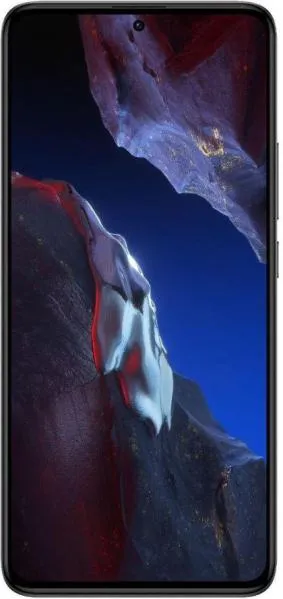

1. Specifications Comparison
| Feature | Xiaomi Poco F5 Pro | Motorola Razr 40 | Practical Impact |
|---|---|---|---|
| Design | |||
| Dimensions (mm) | 162.8 x 75.4 x 8.6 | 170.8 x 74 x 7.4 | Razr 40 is taller and slightly narrower when unfolded, significantly more compact when folded. Poco F5 Pro is thinner overall. |
| Weight (g) | 204 | 188.6 | Razr 40 is noticeably lighter. |
| Foldable | No | Yes | Razr 40 offers portability and a unique form factor; Poco F5 Pro provides a traditional slab phone experience. |
| Display | |||
| Size (inches) | 6.67 | 6.9 | Razr 40 has a slightly larger main display. |
| Resolution (px) | 1440 x 3200 | 1080 x 2640 | Poco F5 Pro has a significantly sharper display (526 ppi vs 413 ppi), resulting in crisper text and images. |
| Refresh Rate (Hz) | 120 | 144 | Razr 40 offers smoother scrolling and animations; however, the difference might not be noticeable for all users. |
| Display Type | AMOLED | Foldable LTPO AMOLED | Both offer vibrant colors and deep blacks. Razr 40's LTPO panel potentially allows for more granular refresh rate control, impacting battery life. Folding capability introduces a crease on the Razr's display. |
| Performance | |||
| Chipset | Snapdragon 8+ Gen 1 | Snapdragon 7 Gen 1 | Poco F5 Pro boasts significantly more powerful CPU and GPU, resulting in much better performance for demanding tasks like gaming and video editing. |
| RAM (GB) | 12 | 8 | Poco F5 Pro offers more RAM, enabling better multitasking and smoother performance with numerous apps open. |
| Camera | |||
| Main Camera (MP) | 64 | 64 | Megapixel count is similar; however, sensor quality and image processing significantly impact final image quality, which cannot be fully assessed with the given data. |
| Ultrawide (MP) | 8 | 13 | Razr 40 has a higher resolution ultrawide; however, sensor details are missing to provide a comprehensive comparison. |
| Selfie (MP) | 16 | 32 | Razr 40 has a higher resolution selfie camera. |
| Video Recording | Up to 8K @ 24fps | Up to 4K @ 30fps | Poco F5 Pro supports higher resolution video recording. |
| Battery | |||
| Capacity (mAh) | 5160 | 4200 | Poco F5 Pro has significantly larger battery capacity, potentially leading to longer usage time. However, Razr 40's LTPO display could mitigate some of the difference. |
2. Key Differences Analysis
Xiaomi Poco F5 Pro Advantages:
- Significantly higher performance: Snapdragon 8+ Gen 1 provides a substantial advantage for demanding tasks.
- Sharper display: Higher resolution leads to a more visually pleasing experience.
- Larger battery: Potentially longer battery life.
- Higher resolution video recording: Captures more detail in videos.
Motorola Razr 40 Advantages:
- Foldable design: Increased portability and unique form factor.
- Lighter weight: More comfortable for one-handed use and carrying.
- Higher refresh rate display: Potentially smoother scrolling and animations (real-world impact depends on implementation and usage).
- Higher resolution selfie camera: Better for video calls and self-portraits.
3. User Profiles & Recommendations
Xiaomi Poco F5 Pro: Ideal for users prioritizing performance, battery life, and a high-quality display. Suitable for gamers, power users, and content creators.
Motorola Razr 40: Best suited for users who value portability and a unique, stylish design above raw performance. Ideal for those who prioritize compactness and are willing to compromise on some performance aspects for the folding form factor.
4. Decision Framework
Key Questions for Buyers:
- Is portability your top priority? If yes, the Razr 40's foldable design is a compelling option.
- Do you need top-tier performance for demanding tasks? If yes, the Poco F5 Pro's Snapdragon 8+ Gen 1 is the clear winner.
- What is your budget? While both are in the "medium price" range, actual prices may vary significantly based on storage configuration and retailer.
My Choice: Xiaomi Poco F5 Pro
While the Motorola Razr 40 offers a compelling foldable design, the Xiaomi Poco F5 Pro is the better overall device for my needs. I prioritize performance and battery life, and the Poco F5 Pro excels in both areas. The significantly more powerful processor, sharper display, and larger battery are crucial factors for my usage. The Razr 40's portability is appealing, but the performance trade-off is too significant for my workflow. I often engage in tasks that require robust processing power, and the Poco F5 Pro is better equipped to handle them. The superior display quality is also a significant factor for media consumption and productivity. While I appreciate the Razr's unique form factor, the Poco F5 Pro's overall capabilities align better with my priorities.
