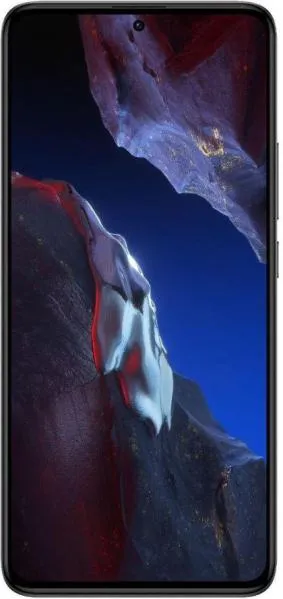
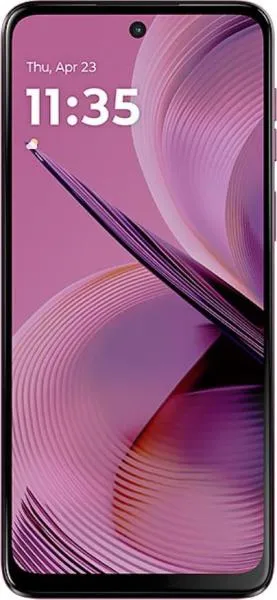
1. Specifications Comparison
| Feature | Xiaomi Poco F5 Pro | Motorola Moto G55 | Practical Impact |
|---|---|---|---|
| Design | |||
| Dimensions (mm) | 162.8 x 75.4 x 8.6 | 161.6 x 73.8 x 8.1 | Poco F5 Pro slightly larger, but both are similar in size. Negligible difference in daily use. |
| Weight (g) | 204 | 179 | Moto G55 noticeably lighter, reducing hand fatigue during extended use. |
| Build Material | Missing | Missing | Cannot compare build quality and durability without this information. |
| Display | |||
| Display Type | AMOLED | IPS LCD | Poco F5 Pro offers deeper blacks, more vibrant colors, and better power efficiency due to AMOLED technology. |
| Display Size (inches) | 6.67 | 6.49 | Poco F5 Pro has a slightly larger screen, providing a more immersive viewing experience. |
| Resolution | 1440 x 3200 | 1080 x 2400 | Significantly sharper and more detailed visuals on the Poco F5 Pro, especially noticeable when viewing high-resolution content. |
| Refresh Rate (Hz) | 120 | 120 | Both offer smooth scrolling and animations, resulting in a fluid user experience. |
| Peak Brightness (nits) | 1400 | Missing | Poco F5 Pro's high peak brightness ensures excellent outdoor visibility, but Moto G55's missing data prevents a direct comparison. |
| Performance | |||
| Chipset | Snapdragon 8+ Gen 1 | MediaTek Dimensity 7025 | Poco F5 Pro boasts significantly higher processing power, enabling smoother multitasking, faster app loading, and better gaming performance. |
| CPU | Octa-core (1x3.0 GHz Cortex-X2 & 3x2.5 GHz Cortex-A710 & 4x1.80 GHz Cortex-A510) | Octa-core (2x2.5 GHz Cortex-A78 & 6x2.0 GHz Cortex-A55) | The Poco F5 Pro has a more powerful CPU architecture resulting in superior performance. |
| GPU | Adreno 730 | IMG BXM-8-256 | Poco F5 Pro's Adreno 730 GPU offers significantly better graphics performance for demanding games and applications. |
| RAM (GB) | 8/12 | 8 | Poco F5 Pro offers a 12GB RAM option enabling superior multitasking capabilities compared to the 8GB on both phones. |
| Camera | |||
| Main Camera (MP) | 64 | 50 | While megapixels aren't everything, the Poco F5 Pro's higher resolution main camera potentially offers more detail in photos. Further analysis of sensor size and aperture is needed for a comprehensive comparison. |
| Video Recording | Up to 8K@24fps | Up to 1080p@60fps | Poco F5 Pro allows for significantly higher resolution video recording. |
| Battery | |||
| Capacity (mAh) | 5160 | 5000 | Both phones offer large battery capacities, likely providing all-day battery life. The Poco F5 Pro has a slightly larger battery. |
2. Key Differences Analysis
Xiaomi Poco F5 Pro Advantages:
- Superior Performance: The Snapdragon 8+ Gen 1 significantly outperforms the Dimensity 7025, offering a smoother and faster user experience across all tasks.
- Sharper Display: The higher resolution AMOLED display provides significantly better visual quality.
- Higher Resolution Video Recording: Capability to record up to 8K video.
Motorola Moto G55 Advantages:
- Lighter Weight: Noticeably lighter, making it more comfortable for extended use.
- Lower Price: Generally more affordable, offering good value for its price range. (Based on provided limited price data.)
3. User Profiles & Recommendations
Xiaomi Poco F5 Pro: Ideal for power users, gamers, and those who prioritize performance and a premium display. Excellent for demanding tasks, multitasking, and media consumption.
Motorola Moto G55: Suitable for budget-conscious users who prioritize basic smartphone functionality, long battery life, and a lightweight design. Best for everyday tasks like browsing, social media, and communication.
4. Decision Framework
Key Questions for Buyers:
- What is your budget? The Poco F5 Pro is a more expensive device.
- What are your performance needs? For demanding tasks and gaming, the Poco F5 Pro is significantly better.
- Do you prioritize display quality? The Poco F5 Pro's AMOLED display is superior.
Scenario-Based Recommendations:
- Heavy Gamer: Poco F5 Pro
- Budget-Conscious User: Moto G55
- Photographer/Videographer: More information needed on camera sensor specifics, but initially Poco F5 Pro due to 8K recording.
My Choice: Xiaomi Poco F5 Pro
While the Motorola Moto G55 offers a compelling value proposition for its lower price and lighter weight, the Xiaomi Poco F5 Pro is the clear winner for me. The significant difference in performance due to the Snapdragon 8+ Gen 1, coupled with the superior AMOLED display, makes the Poco F5 Pro a much more compelling device. I prioritize a smooth and responsive user experience, especially for multitasking and demanding applications, and the Poco F5 Pro delivers in this area. The sharper display is also a major factor, as I consume a lot of media on my phone. The slightly higher price is justifiable for the significant jump in performance and display quality. The weight difference, while noticeable, is not a deal-breaker for me.
