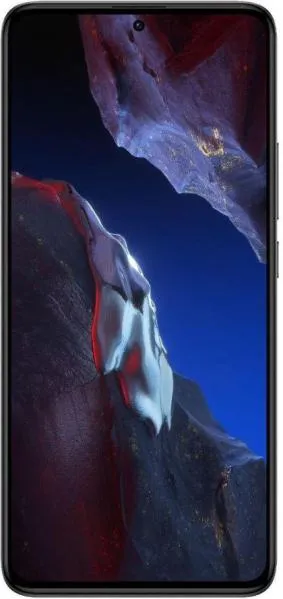
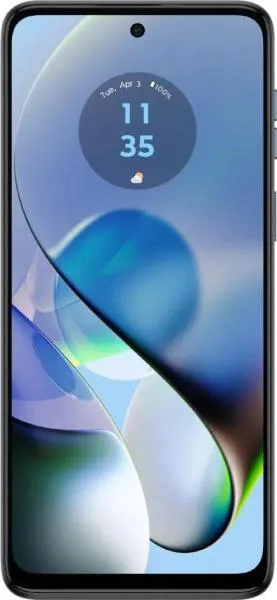
1. Specifications Comparison
| Feature | Xiaomi Poco F5 Pro | Motorola Moto G54 | Practical Impact |
|---|---|---|---|
| Design | |||
| Dimensions (mm) | 162.8 x 75.4 x 8.6 | 161.6 x 73.8 x 8 | Poco F5 Pro is slightly larger. Negligible difference in practical use. |
| Weight (g) | 204 | 177 | Moto G54 is noticeably lighter, more comfortable for extended use. |
| Display | |||
| Display Type | AMOLED | IPS LCD | Poco F5 Pro offers deeper blacks, more vibrant colors, and higher peak brightness, resulting in a superior visual experience. |
| Display Size (inches) | 6.67 | 6.5 | Poco F5 Pro has a slightly larger screen. |
| Resolution | 1440 x 3200 | 1080 x 2400 | Poco F5 Pro has a significantly sharper display (526 ppi vs 405 ppi), resulting in clearer text and images. |
| Refresh Rate | 120Hz | 120Hz | Both offer smooth scrolling and animations. |
| HDR | Dolby Vision, HDR10+ | None | Poco F5 Pro supports HDR content for a wider dynamic range and more vibrant colors in compatible videos. |
| Performance | |||
| Chipset | Snapdragon 8+ Gen 1 (4 nm) | Dimensity 7020 (6 nm) | Poco F5 Pro offers significantly faster CPU and GPU performance, resulting in smoother multitasking, gaming, and demanding applications. |
| CPU | Octa-core (1x3.0 GHz...) | Octa-core (2x2.2 GHz...) | Poco F5 Pro has a more powerful CPU architecture. |
| GPU | Adreno 730 | IMG BXM-8-256 | Poco F5 Pro offers a considerably more powerful GPU, beneficial for gaming and graphics-intensive tasks. |
| RAM | 8/12GB | 8/12GB | Both offer ample RAM for smooth multitasking. Poco F5 Pro might have faster RAM speeds due to the chipset |
| Camera | |||
| Main Camera | 64MP (OV64B) | 50MP | Poco F5 Pro has a higher resolution main sensor, potentially capturing more detail. Sensor quality information for G54 is missing. |
| Video Recording | Up to 8K@24fps | Up to 1080p@60fps | Poco F5 Pro offers significantly higher resolution video recording capabilities. |
| Battery | |||
| Capacity | 5160 mAh | 5000 mAh | Poco F5 Pro has a slightly larger battery capacity, potentially offering longer battery life. |
2. Key Differences Analysis
Xiaomi Poco F5 Pro Advantages:
- Significantly better performance: The Snapdragon 8+ Gen 1 outperforms the Dimensity 7020 by a large margin.
- Superior display: AMOLED with higher resolution, HDR support, and higher peak brightness.
- Higher resolution video recording: Up to 8K vs 1080p on the Moto G54.
Motorola Moto G54 Advantages:
- Lighter and potentially more comfortable to hold.
- Lower price: Expected to be significantly cheaper.
Trade-offs:
- Performance vs. Price: Poco F5 Pro offers much better performance but at a higher price.
- Display Quality vs. Battery Life: AMOLED displays generally consume more power than IPS LCDs, though this can vary.
3. User Profiles & Recommendations
Xiaomi Poco F5 Pro: Users who prioritize performance, a high-quality display, and advanced camera features. Ideal for demanding tasks like gaming, video editing, and media consumption.
Motorola Moto G54: Users on a tighter budget who prioritize basic functionality, a long-lasting battery, and a lightweight design. Suitable for everyday tasks like browsing, social media, and casual photography.
4. Decision Framework
Key Questions for Buyers:
- What is your budget? The Poco F5 Pro is significantly more expensive.
- What are your primary use cases? Gaming, media consumption, and demanding tasks benefit from the Poco F5 Pro's performance.
- Do you prioritize display quality or battery life? The Poco F5 Pro has a superior display but might have slightly reduced battery life compared to the Moto G54.
Scenario-Based Recommendations:
- Gamer: Poco F5 Pro for its powerful GPU and sharp display.
- Casual User: Moto G54 for its affordability and long battery life.
- Photographer/Videographer: Poco F5 Pro for its higher resolution camera and video capabilities.
My Choice: Xiaomi Poco F5 Pro
While the Motorola Moto G54 offers excellent value for its price, I would choose the Xiaomi Poco F5 Pro. The significantly superior performance, stunning AMOLED display, and advanced camera features are crucial for my usage. I prioritize a smooth and responsive experience for demanding tasks and media consumption, and I am willing to pay the premium for the Poco F5 Pro's capabilities. The slightly larger size and potentially marginally lower battery life are acceptable trade-offs for the significant performance gains and superior visual experience. The higher resolution video recording is also a significant factor for me. While the Moto G54 is a good budget option, the Poco F5 Pro offers a significant jump in overall quality and user experience.
